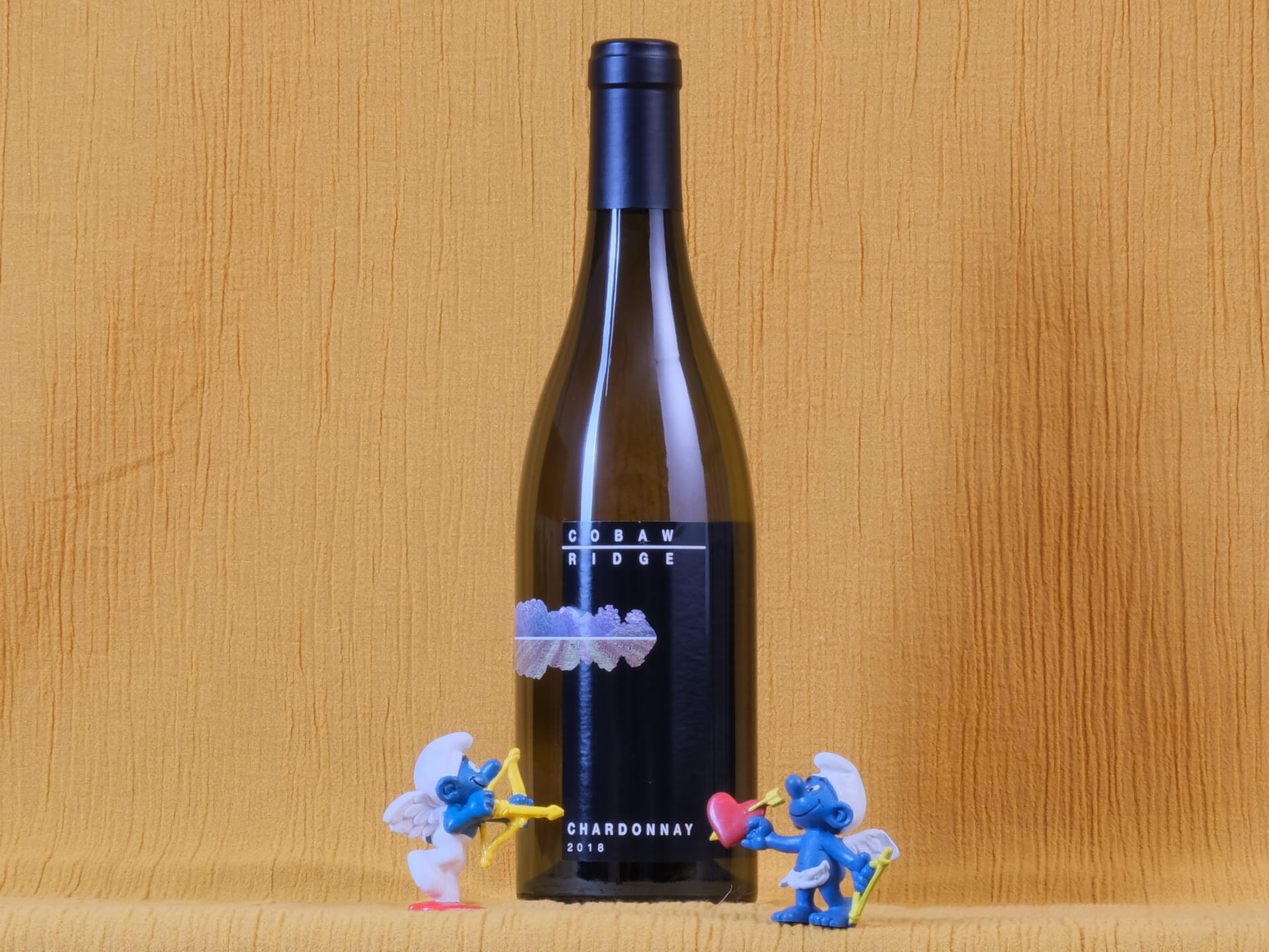
2018 Cobaw Ridge Chardonnay Macedon Ranges

Read more
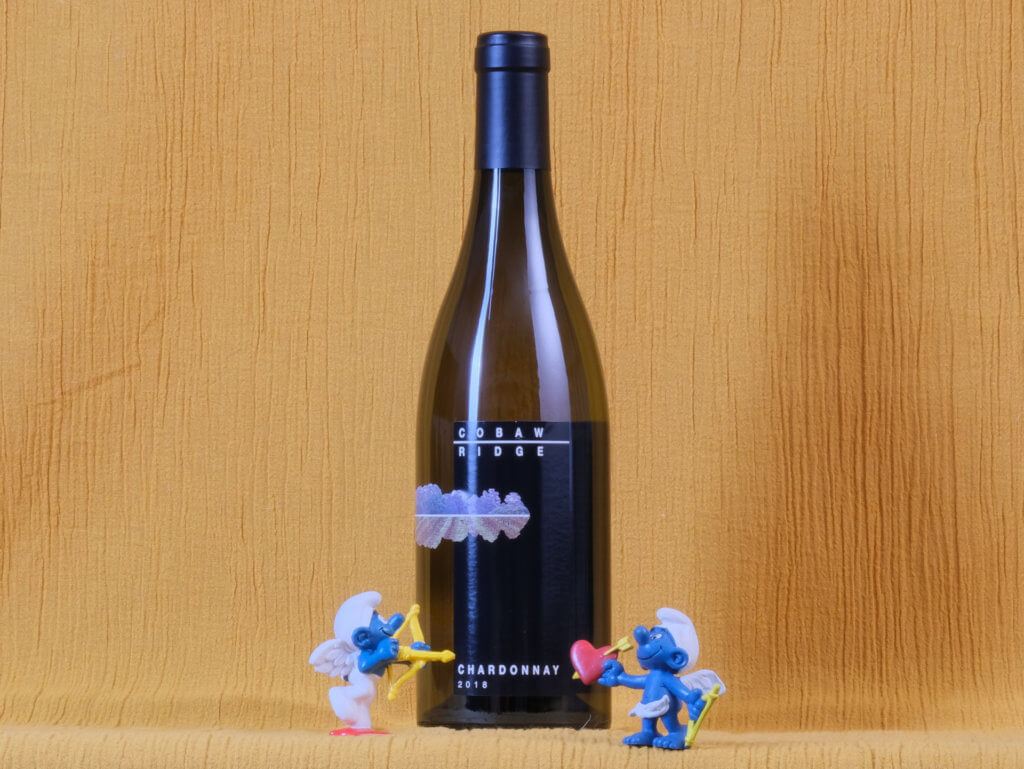
2018 Cobaw Ridge Chardonnay
Flinty, white peach and lemon curd, gently textural – this has all the trappings of complex chardonnay, with generosity of flavour and winemaking detail perfectly poised and pitched.
  • Producer

    Cobaw Ridge

  • Region

    Macedon Ranges

  • RRP

    $58

  • Vintage

    2018

  • Variety/Varieties

    Chardonnay

  • Alc./Vol.

    13.5%

Alan and Nelly Cooper’s Cobaw Ridge is a Macedon pioneer. The vineyard was planted in 1985, has been certified biodynamic since 2011, and today, the wines have never been better. Shot through with flinty minerals arranged over a wire of pulsing acidity, this has all the trappings of a complex chardonnay, with generosity of flavour and winemaking detail perfectly poised and pitched.

Tasting note

White peach and nectarine, lemon curd, yellow grapefruit, a puff of complex matchstick elements, with oak notes, barrel ferment and pillowy lees all present, but there’s impeccable poise, too, a harmony of elements. All is on show here, but all is in balance and check, with ample flavour and a vibrant line of mineral-etched precision, effortless finesse. The palate is textural, with pops of nougat, crystallised lemon peel and lemon pith, with presence and weight but an underlying drive of acidity and mineral tension underpinning and speaking resolutely of the place where it’s grown.

Themes of this wine

Chardonnay

With an explosion of interest over the last few decades, chardonnay is now the world’s most planted white grape. With its ability to grow in varied conditions and make everything from sparkling wine, to lean and mineral whites, to full-bodied textural expressions, it is perhaps no surprise to see Burgundy’s key white grape become so dominant.

Macedon Ranges

Melbourne is well served with top wine regions, with the Yarra, Mornington, Geelong and Macedon all about an hour from the city. All are cool climate, but Macedon takes the prize for being the coolest, with some touting it as the best territory for chardonnay and pinot noir in the country. Evidence of that potential, aside from some glittering exceptions, haven’t exactly been crowding wine store shelves over the years, but much has changed, and there’s a dynamic community ensuring that potential is being tapped in exciting ways.

2018 Cobaw Ridge Chardonnay

GET FIRST ACCESS TO THE NEXT WINE ICONS – DELIVERED

Find out more

Each month, get 3 bottles of our freshest discoveries. We taste thousands to bring you the best.

Join us and support emerging winemakers, sustainable vineyards, and the development of young professionals.

Find out more
“One of the highlights of my drinking year.”
— Max Allen, Wine Writer
“The future of wine in Australia.”
— Broadsheet
“The cutting edge of Australian wine.”
— The Australian
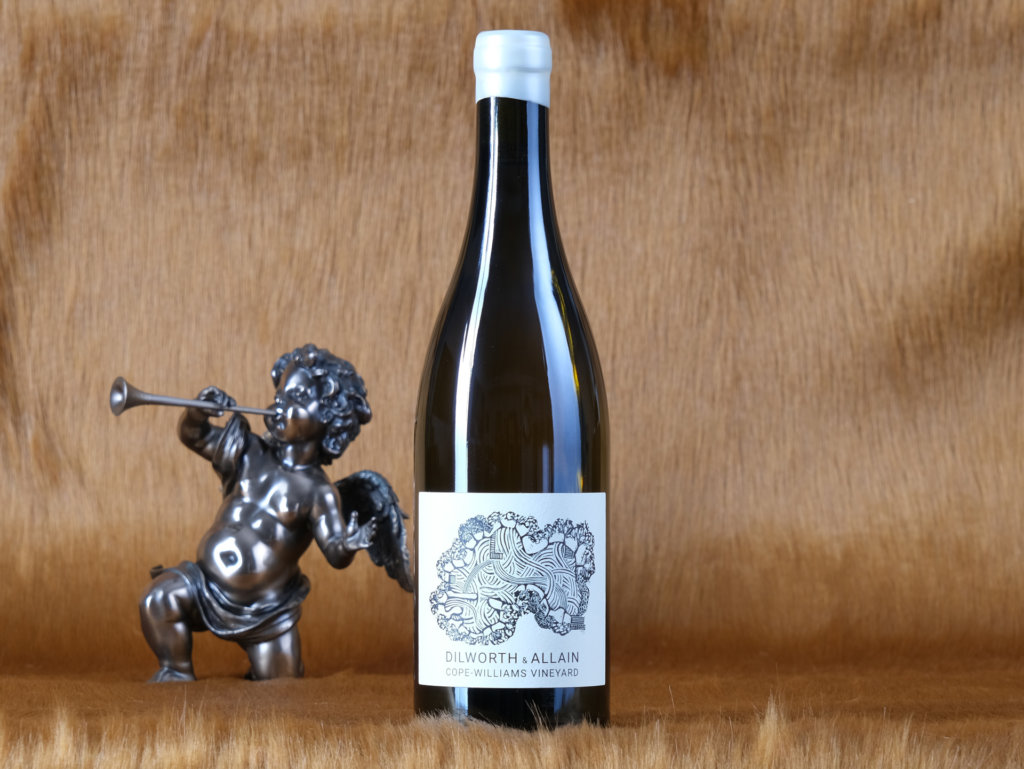
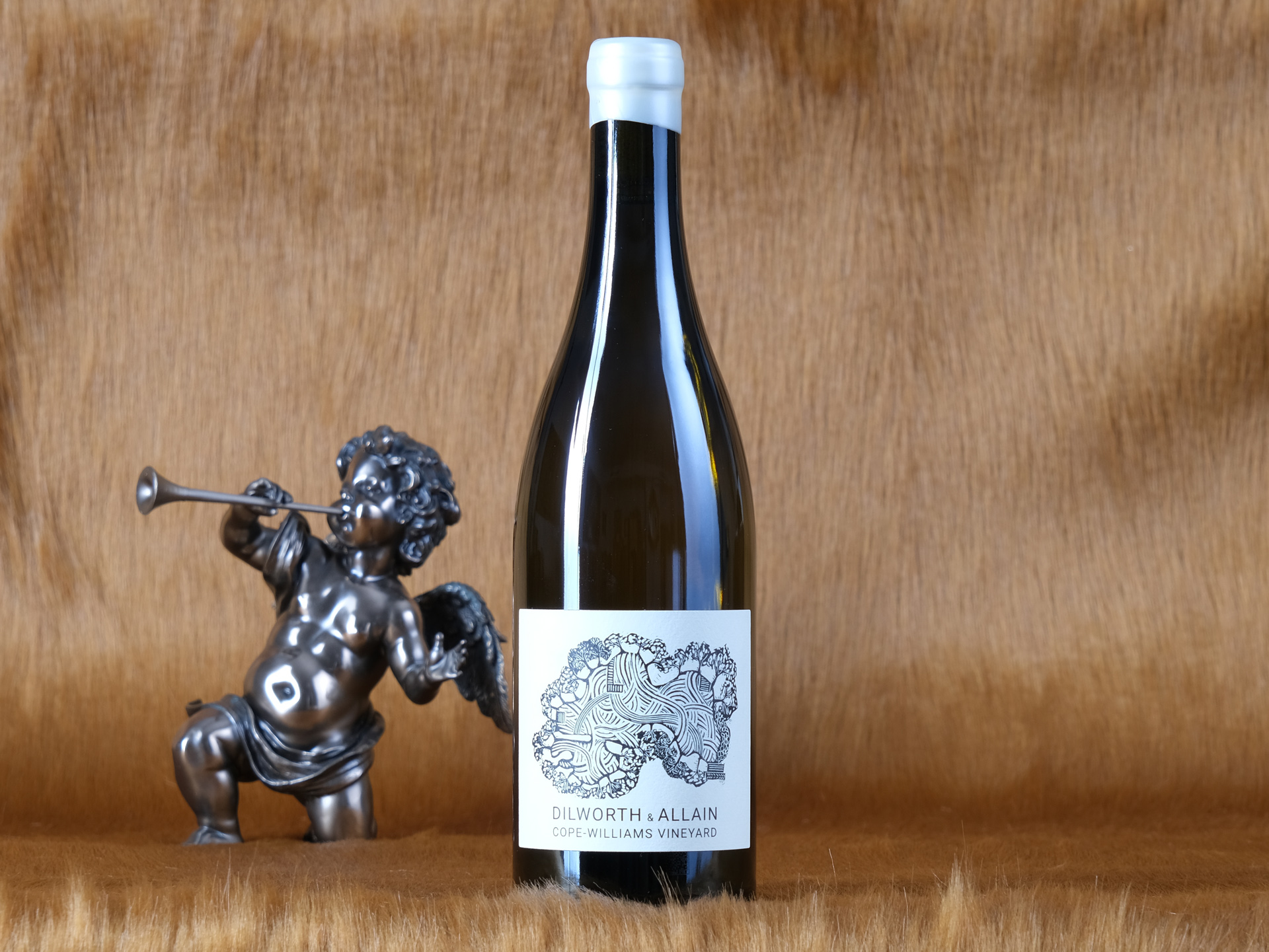
2019 Dilworth & Allain ‘Cope-Williams Vineyard’ Chardonnay
A savoury, textured and mineral chardonnay from 2020’s Young Gun of Wine.
  • Producer

    Dilworth & Allain

  • Region

    Macedon Ranges

  • RRP

    $50

  • Vintage

    2019

  • Variety/Varieties

    Chardonnay

  • Alc./Vol.

    12%

A savoury, textured and mineral chardonnay from 2020’s Young Gun of Wine.

Tasting note

Striking nose here, with a purity of yellow citrus fruits, yellow grapefruit and barely ripe white nectarine, shot through with nutty, saline/sea-spray notes, gently smoky scents and a lacing of clotted cream, with stone fruit kernel savouriness and chalky minerals backing it all up. So poised and savoury on the palate, too, but with ample flavour tagging along, again with a chalky mineral feel. A bit of grip and chew channels the fruit brightly through the palate, adding to the tightly framed picture.

Themes of this wine

Chardonnay

With an explosion of interest over the last few decades, chardonnay is now the world’s most planted white grape. With its ability to grow in varied conditions and make everything from sparkling wine, to lean and mineral whites, to full-bodied textural expressions, it is perhaps no surprise to see Burgundy’s key white grape become so dominant.

Macedon Ranges

Melbourne is well served with top wine regions, with the Yarra, Mornington, Geelong and Macedon all about an hour from the city. All are cool climate, but Macedon takes the prize for being the coolest, with some touting it as the best territory for chardonnay and pinot noir in the country. Evidence of that potential, aside from some glittering exceptions, haven’t exactly been crowding wine store shelves over the years, but much has changed, and there’s a dynamic community ensuring that potential is being tapped in exciting ways.

2019 Dilworth & Allain ‘Cope-Williams Vineyard’ Chardonnay

GET FIRST ACCESS TO THE NEXT WINE ICONS – DELIVERED

Find out more

Each month, get 3 bottles of our freshest discoveries. We taste thousands to bring you the best.

Join us and support emerging winemakers, sustainable vineyards, and the development of young professionals.

Find out more
“One of the highlights of my drinking year.”
— Max Allen, Wine Writer
“The future of wine in Australia.”
— Broadsheet
“The cutting edge of Australian wine.”
— The Australian
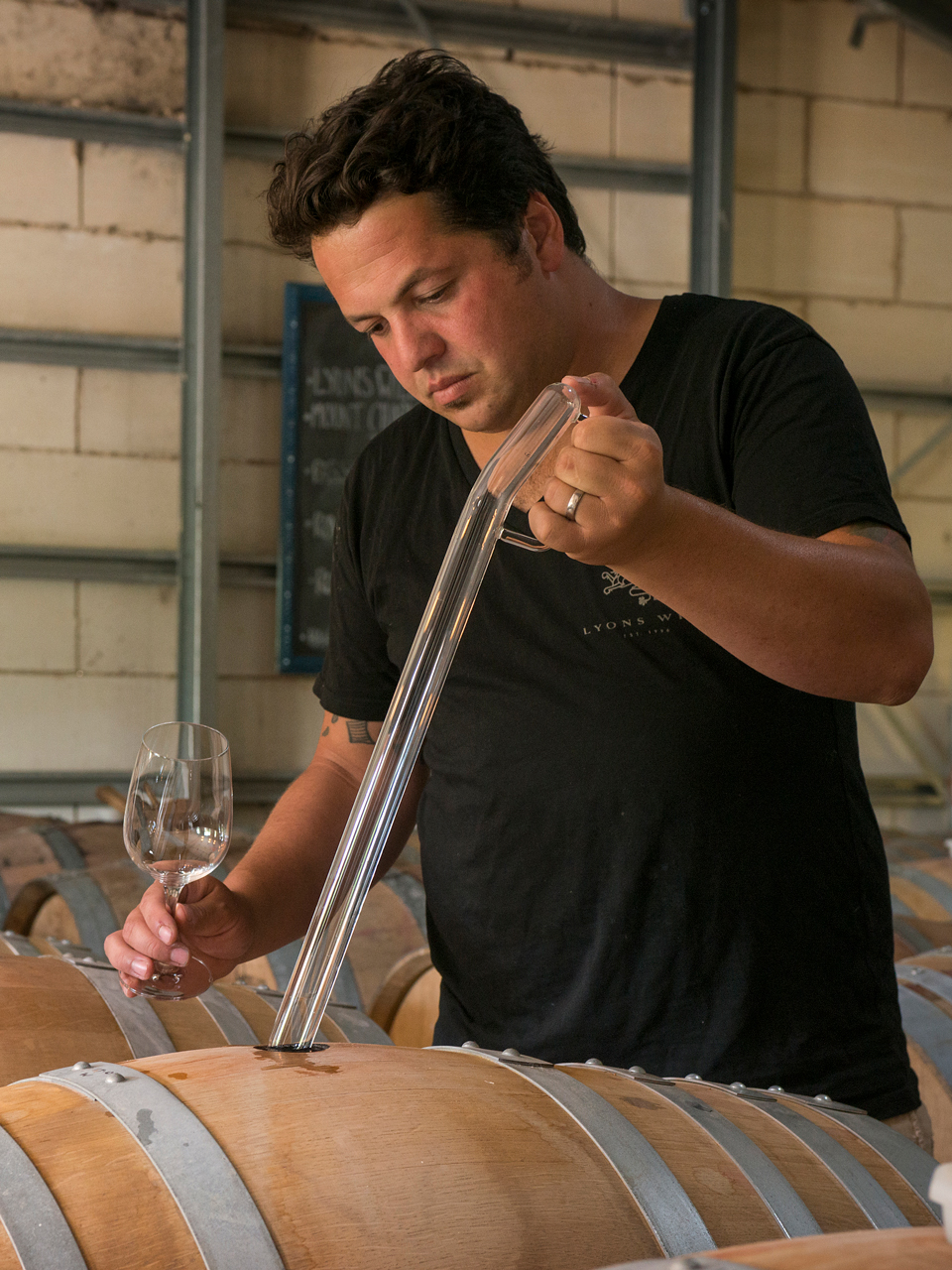
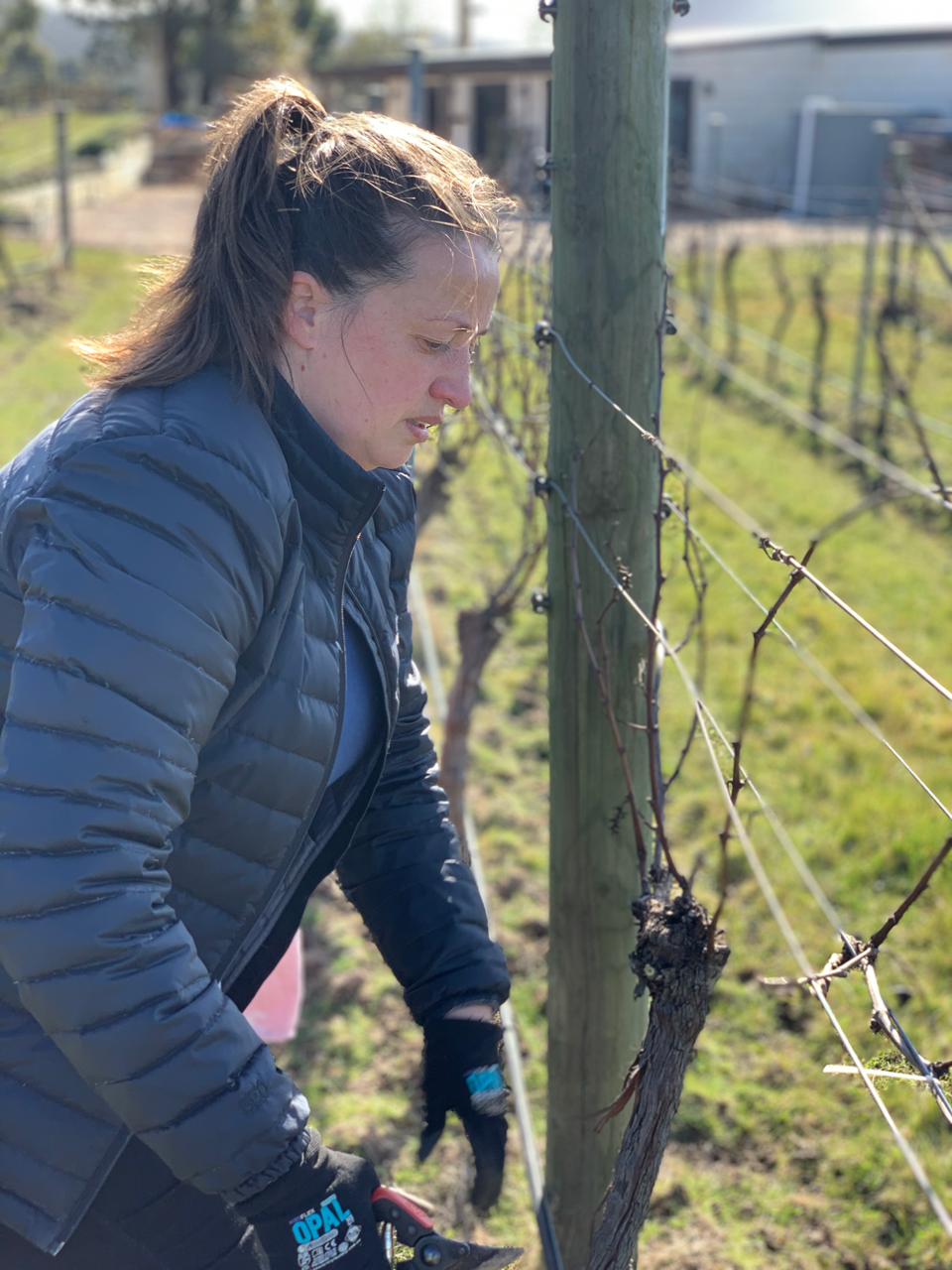
Lyons Will is a small estate in the Macedon Ranges owned and run by husband-and-wife team Renata Morello and Oliver Rapson. Planted to chardonnay, riesling, pinot noir and gamay, the wines are as much expressions of variety as they are of the elevated, cold vineyard site and the traditional, manual winemaking.
  • Producer

  • Region

    Macedon Ranges

  • RRP

    $

  • Vintage

  • Variety/Varieties

  • Alc./Vol.

    %

Lyons Will is a small estate in the Macedon Ranges owned and run by husband-and-wife team Renata Morello and Oliver Rapson. Planted to chardonnay, riesling, pinot noir and gamay, the wines are as much expressions of variety as they are of the elevated, cold vineyard site and the traditional, manual winemaking.

“Our vineyard is 540 metres above sea level,” says Morello. “The unique environment and soils play a huge part in Lyons Will wines. All wines are made from exclusively estate grown fruit with minimal intervention in the winery to ensure the wines speak of the site in which they are grown. The range is all low sulphur, and the vineyard is managed with sustainability at its heart, no pesticides, herbicides or insecticides.”

The gamay has a whole-bunch carbonic component and a whole berry parcel. Both are basket pressed and aged in French oak. The riesling gets more of an old-world Germanic make than using classic Australian methods, with some skin contact, barrel fermentation and a dab of residual sugar. For the chardonnay, the fruit is destemmed and pressed to oak for fermentation, where it then stays on lees for almost a year before assembly in tank and bottling. The pinot noir components are separated into batches according to clone, wild fermented, sometimes with a little whole bunch, then pressed to oak and matured for 10–15 months, before assembly and bottling un-fined and unfiltered.

“Divide and conquer is kind of how we run at Lyons Will,” says Morello. “In essence this means I am in charge of the direction and the winemaking of the riesling and gamay, Ollie the chardonnay and pinot noir.”

Morello never harboured a desire to make wine. She never studied winemaking, or viticulture. But she did have a pretty handy education in wine, thanks to her father. He was an avid wine collector, and somewhat food obsessed. A Calabrian immigrant, he had cellared many memorable wines over the years, and Morello had a rich ad-hoc education via a vast trove of Australian classics that had been cellared for a decade and sometimes two. Labels like Moss Wood, Pierro, Giaconda and Mount Mary regularly graced the table at home.

And even though a passion for fine wine was fostered, it was physiotherapy that was Morello’s chosen career path. She graduated in 1999, and after a stint working in country Victoria decided to head to the UK to work and travel. Time in Italy to learn Italian with her extended family pushed wine up the agenda a little. The wine bars of Europe, and particularly in Torino, where she was mainly living, cultivated the notion of starting her own. That never eventuated, but it did set the stage.

“When I met Ollie and he started talking about vineyards and wineries, I figured it wasn’t much of a stretch from what I had in mind, so it didn’t take much for me to jump onboard the idea of Lyons Will. Also, I love the country lifestyle, hell, why not pick up from Fitzroy and move to Lancefield!” Morello says.

At the time, Rapson was studying a night course in viticulture at NMIT, while running his digital media agency, a role he still maintains today. That agency was one he had started in London, his birthplace – though he had spent much of his childhood in Western Australia – later deciding to move the business and himself to Melbourne. It was a bottle of 1996 Moss Wood Chardonnay that the pair shared that pushed him deep into wine, enrolling in the viticulture course and setting things in train.

Morello was working in a physiotherapy research role and studying for her PhD when the prospect of decamping to the Macedon Ranges become a real possibility. In 2013, the pair bought an established vineyard near Lancefield at 540 metres altitude. The property is 12 hectares, and had 2 hectares devoted to vines, with a little more pinot noir than chardonnay. That same year, the couple planted gamay and riesling to double the small vineyard’s size. They also started to build a small winery.

Morello finished her PhD in public health in 2016, as well as having the couple’s second child, with the pair also completing their first vintage in the recently finished winery. The previous wines were made offsite, at Knight Granite Hills with the help of Lew Knight, but they enlisted the help of friend Shaun Crinion (Dappled) who talked them through the 2016 and 2017 vintages via FaceTime, phone and email.

The couple had decided to split the duties, with Morello focusing on the new vines, while Rapson tended to the original ones. “Divide and conquer is kind of how we run at Lyons Will,” says Morello. “In essence this means I am in charge of the direction and the winemaking of the riesling and gamay, Ollie the chardonnay and pinot noir.”

In 2018, the pair made the wines without recourse to FaceTime, a big step towards achieving a core goal. “We wanted to create a family winery, where every aspect of the vineyard management and winemaking process is handled by us,” says Rapson.

“Since arriving on the property, we have more than doubled the vineyard size, planting over 8 acres ourselves. All the trellis design and installations have been completely done by us, and all the sustainable practices such as livestock management, under-vine weed control, insect control measures and reduced spray management has been developed through us understanding our site better. Our ethos is simple: wine is made in the vineyard. Take care of the land and the land will take care of our plants. Produce high-quality fruit and this will enable the production of high-quality wine.”

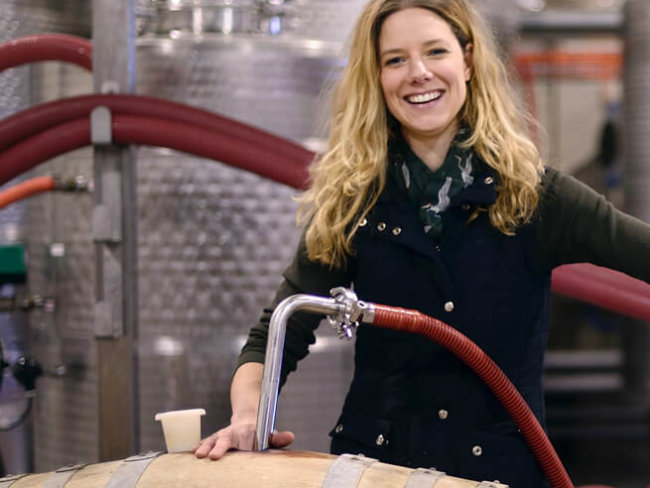
Renata Morello & Oliver Rapson

GET FIRST ACCESS TO THE NEXT WINE ICONS – DELIVERED

Find out more

Each month, get 3 bottles of our freshest discoveries. We taste thousands to bring you the best.

Join us and support emerging winemakers, sustainable vineyards, and the development of young professionals.

Find out more
“One of the highlights of my drinking year.”
— Max Allen, Wine Writer
“The future of wine in Australia.”
— Broadsheet
“The cutting edge of Australian wine.”
— The Australian
Dilworth & Allain is the budding label of Loique Allain and Chris Dilworth, launched in 2017. Based in the Macedon Ranges, they currently make a riesling, chardonnay and pinot noir from three vineyards, one of which they help farm organically. The wines reflect a desire to work as naturally as possible, while they convey site...
  • Producer

  • Region

    Macedon Ranges

  • RRP

    $

  • Vintage

  • Variety/Varieties

  • Alc./Vol.

    %

Dilworth & Allain is the budding label of Loique Allain and Chris Dilworth, launched in 2017. Based in the Macedon Ranges, they currently make a riesling, chardonnay and pinot noir from three vineyards, one of which they help farm organically. The wines reflect a desire to work as naturally as possible, while they convey site and variety with bell-clear vitality.

Chris Dilworth was born into hospitality, with his parents owning a restaurant in Willoughby, in Sydney, before buying a farm in Belford, in the Hunter Valley. That familiarity with restaurants stuck with Dilworth and he took a job straight out of school working for legendary Hunter Valley chef (via Algeria) Robert Molines in Pokolbin (Molines is now at Bistro Molines, in Mount View). Wanderlust eventually got the better of him, and he carried plates in Sydney, Melbourne and London, but it was an interest in wine ignited working for Molines that saw him enrol at the University of Adelaide to study viticulture and winemaking. He graduated in 2011. Dilworth has worked vintages in the Hunter Valley, Mornington Peninsula, Barossa Valley, Adelaide Hills, McLaren Vale, Tasmania, Tuscany and in Burgundy.

Dilworth credits a stint in 2012 in Tuscany at Castello dei Rampolla with changing the way he looks at wine. “Firstly, they’re great people, generous, with the courage to execute what they believe in. Organic farming from the early 90s and then biodynamic from the late 90s. There is significant exploration in the cellar using different techniques and vessels and the wines are allowed to be expressive and reflective. Luca inspires and reassures us that it is important to make the wines you want to make and not to veer away from this paradigm,” Dilworth says.

Allain came by wine via a different route entirely. An artist, like her parents, Allain’s work and study trips (she’s an honour’s graduate in fine arts, majoring in printmaking – her work is on the labels, too) through France and Italy inspired her love of wine, and vintage work in McLaren Vale cemented it. When Allain secured a scholarship for a residency at a printmaking studio in Paris in 2013, Dilworth arranged vintage work at Les Heritiers du Comte Lafon in the Mñcon, in Burgundy’s south. What was planned as a three-month stay was extended until the following vintage, with the pair WWOOFing (WWOOF is a program that connects volunteers to work on organic farms to learn the ropes) across France. The following vintage was at Domaine des Comtes Lafon, in Meursault, for Dilworth, and at Domaine Paul Pillot for Allain.

The pair eventually moved to Hepburn when Owen Latta offered Dilworth an opportunity to work at Eastern Peake, in Coghills Creek. Oddly, for the wine obsessed, they were living in the Tiwi Islands at the time, but they had an intimate knowledge of the area, as Dilworth had studied with Joshua Cooper (of his eponymous label, and son of Alan and Nelly Cooper of Cobaw Ridge) and they had both visited the Macedon Ranges, and surrounds, often over the years. He still works alongside Latta, and the Dilworth & Allain wines are made in the Eastern Peake winery.

Working out of the Macedon Ranges, the pair’s first wine under the Dilworth & Allain label came from the 2017 vintage, and they currently make a riesling, which rests on skins for two weeks, a textural yet racy chardonnay from the old Cope-Williams vineyard and a pinot noir from Doug Newnham’s celebrated Romsey site, which they also help farm.

“Our philosophy has been to make wines that we would love to drink. That have a sense of place and are able to tell a story. We seek to make wine that is refreshing and interesting, allowing time for maturation and evolution in the cellar. We believe in producing wines that are un-fined, unfiltered, using natural yeasts and with sulphur being the only additive along the way,” Allain says.

Dilworth & Allain were named the 2020 Young Gun of Wine. The pair also took out the Best New Act at the same awards, making Young Gun history.

Loique Allain & Chris Dilworth

GET FIRST ACCESS TO THE NEXT WINE ICONS – DELIVERED

Find out more

Each month, get 3 bottles of our freshest discoveries. We taste thousands to bring you the best.

Join us and support emerging winemakers, sustainable vineyards, and the development of young professionals.

Find out more
“One of the highlights of my drinking year.”
— Max Allen, Wine Writer
“The future of wine in Australia.”
— Broadsheet
“The cutting edge of Australian wine.”
— The Australian
Sentio is the Beechworth based solo project of Chris Catlow, a Chardonnay-centric endeavour sourcing from prime regions across Victoria. The wines are classic, racy and textural, with regional differences to the fore. A Beechworth pinot noir and eclectic red and white blends – with variety giving way to style and place – also get a...
  • Producer

  • Region

    Alpine Valleys Beechworth Macedon Ranges Tumbarumba Yarra Valley

  • RRP

    $

  • Vintage

  • Variety/Varieties

  • Alc./Vol.

    %

Sentio is the Beechworth based solo project of Chris Catlow, a Chardonnay-centric endeavour sourcing from prime regions across Victoria. The wines are classic, racy and textural, with regional differences to the fore. A Beechworth pinot noir and eclectic red and white blends – with variety giving way to style and place – also get a run under the Sentio banner

Catlow is a Beechworth native who has worked in wine since his teens. And for a region that is dripping in elite wineries, it is no surprise that Catlow was put on a good path from early on. One of those first roles was with Barry Morey at Sorrenberg, who saw enough natural talent and application in Catlow to encourage him to study winemaking. Work both here and overseas eventually led to the first wine under his Sentio label in 2013 – a shiraz. That was while he was still living and working on the Mornington Peninsula, but a move back home followed not long after and the range expanded considerably, with a particular focus on classic and vibrant expressions of chardonnay from various regions. “I make chardonnay from Beechworth, Macedon, Tumbarumba, Yarra Valley and the Alpine Valleys,” says Catlow

Catlow doubled up at university, studying both viticulture and wine science at La Trobe. Which, according to him, “took me far too long!” While those studies stretched out over a number of years, Catlow worked on the Mornington Peninsula at Paringa Estate, with Sandro Mosele at Kooyong and Port Phillip Estate and also at Portsea Estate. It was towards the end of his time on the peninsula that Catlow crafted that first Sentio wine. His time with Mosele was particularly influential, not just for developing an enduring fascination with single-site wines, but also for introducing him to Burgundy – Mosele is one of the most avid Burgundy fans you’re likely to find.

That entree into Burgundy opened a new door for Catlow, and it wasn’t long before he headed over for vintage. He has now worked five vintages there, all with Benjamin Leroux, as well as spending plenty of time in his cellar over the last eight years, which has been hugely influential. “His approach to wine is something I have a huge level of respect for. I’ve never seen someone make wine with so much intuition before him. It’s something I try to incorporate into my own wines,” says Catlow.

In the winery, Catlow’s approach to chardonnay is to work oxidatively, using a basket press and fermenting wild in French oak, solely from a cooper called Chassin, with new oak kept at a low percentage and malolactic religiously blocked. His Beechworth ‘Blanc’ is an intriguing blend of chardonnay, grĂŒner veltliner, savagnin and arneis, while the Beechworth ‘Rouge’ combines sangiovese, syrah and pinot noir. Both are textural, food-friendly efforts, and reflections of place rather variety.

“My philosophy for Sentio is a work in progress. Making wines that represent where they’re from is the fundamental point. I always loved seeing wines that give a story of the vineyard and the region.”

Chris Catlow

GET FIRST ACCESS TO THE NEXT WINE ICONS – DELIVERED

Find out more

Each month, get 3 bottles of our freshest discoveries. We taste thousands to bring you the best.

Join us and support emerging winemakers, sustainable vineyards, and the development of young professionals.

Find out more
“One of the highlights of my drinking year.”
— Max Allen, Wine Writer
“The future of wine in Australia.”
— Broadsheet
“The cutting edge of Australian wine.”
— The Australian
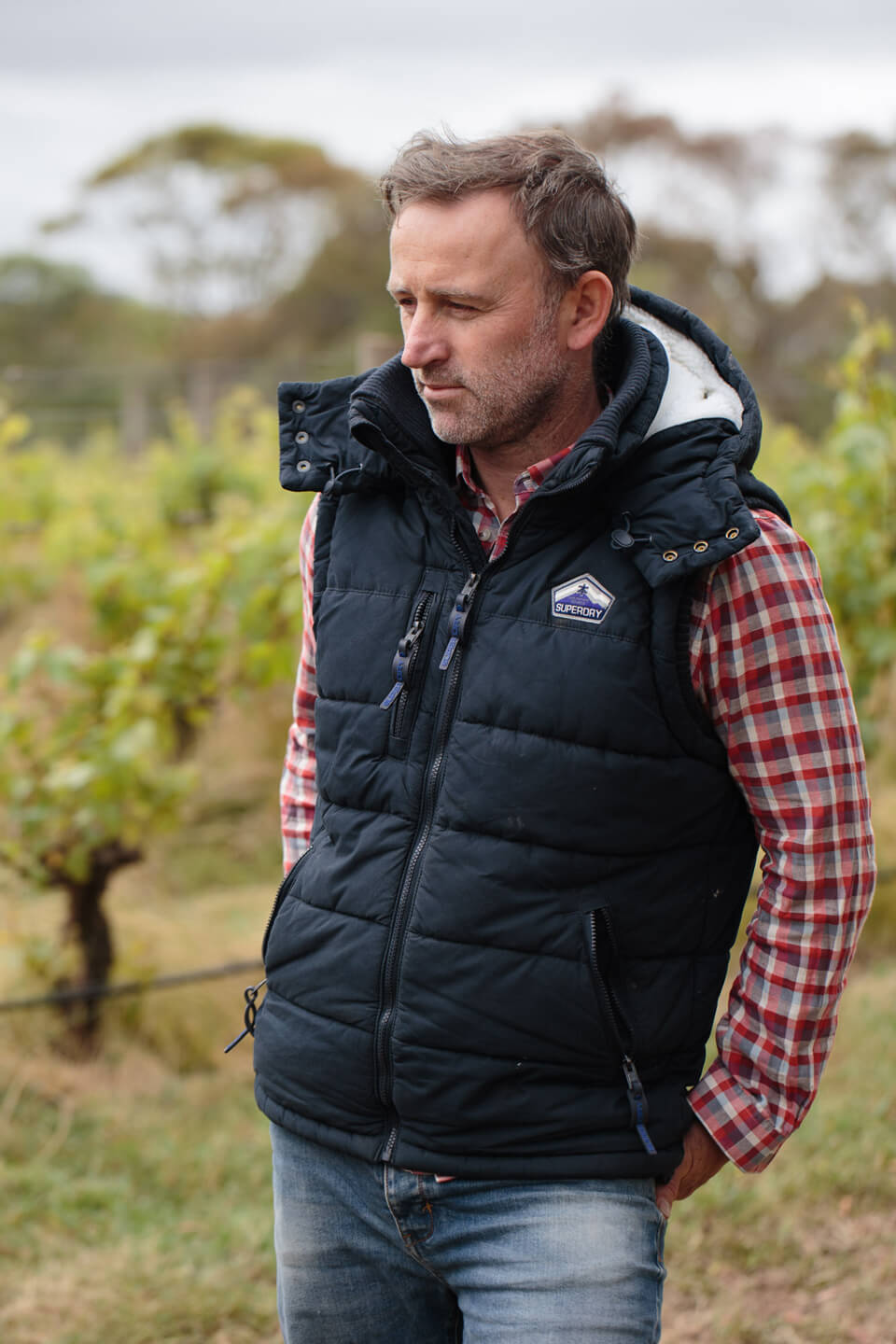
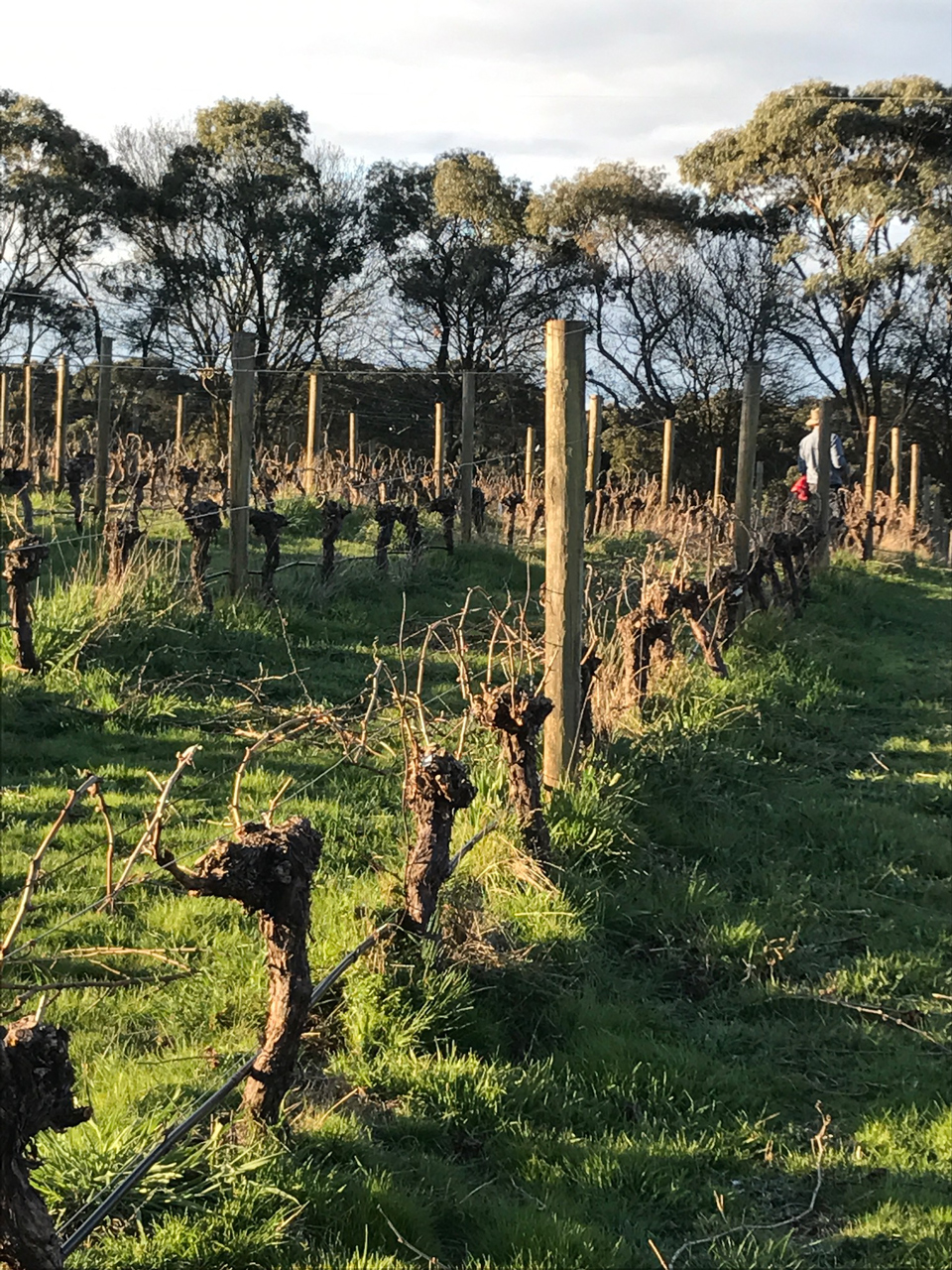
Ben Ranken has been tirelessly restoring his Wilimee vineyard, which is one of the Macedon Ranges oldest. Converting the vines to being dry grown, while implementing organic practices (not yet certified), his focus is on chardonnay and pinot noir planted to two distinct soil types – granite and Cambrian – with two varietal wines currently made that are reflective of site and farming, with winemaking taking a backseat. Ranken also matures bottled pinot noir underwater for five years – a shipwreck-inspired endeavour.
  • Producer

  • Region

    Macedon Ranges

  • RRP

    $

  • Vintage

  • Variety/Varieties

  • Alc./Vol.

    %

Ben Ranken has been tirelessly restoring his Wilimee vineyard, which is one of the Macedon Ranges oldest. Converting the vines to being dry grown, while implementing organic practices (not yet certified), his focus is on chardonnay and pinot noir planted to two distinct soil types – granite and Cambrian – with two varietal wines currently made that are reflective of site and farming, with winemaking taking a backseat. Ranken also matures bottled pinot noir underwater for five years – a shipwreck-inspired endeavour.

In 2013, Ben Ranken and his wife, Sally Richardson, purchased the old Portree Vineyard, near Lancefield in the Macedon Ranges. Sitting at 600 metres above sea level and with most vines over 30 years old, this was a significant purchase, but the vineyard had experienced several years of neglect, with the project of restoration and restructuring both lengthy and ongoing.

“No fining, no stabilisation and no filtration, no additives, only sulphur, as I believe you spend time growing great fruit, so why take characters out of the wine. The only major winemaking influence is the use of oak barrels, around a third new.”

“We are actively re-invigorating the vines,” says Ranken. “We’ve pulled out large gum trees from the end of each row, as they were sucking water from the vines, converted pruning to ‘soft pruning’ or Poussard pruning, cut out eutypa vines and are re-growing new vine trunks. We stopped using herbicides and are converting to organics with the end-goal being biodynamics. We use basalt rock dust, soil aerating, compost and feed the vines with kelp, fish, goat’s whey, silicate etc.”

Ranken also notes that they use very small applications of copper and sulphur, which are classic organic disease control measures, but the long-term aim is to eliminate these entirely, too. “Sally and I are both from large farming backgrounds,” he says. “We were simply pursuing a country life for our kids to enjoy and we believe in improving our land for the generations to come, hence farming sympathetically with our land, be it organic, biodynamic or in a regenerative way.”

The winemaker at Galli Estate for several years, Ranken now manages his home site duties with the winemaking role at nearby Mount Monument. Prior, he has worked with De Bortoli’s Steve Webber, and also in Burgundy at Domaine Michel Juillot, at Domaine Clavel in Pic Saint-Loup and at Chateau Lafleur in Pomerol, as well as in the United States.

Ranken’s vinous history stretches back a bit further than that, too, with his childhood spent on a farm and vineyard in the cool territory of Tumbarumba, at the foot of the Snowy Mountains. His ancestor, George Ranken also planted some of this country’s first vines in 1841, at Bathurst.

“The vines are dry grown, so yields are very low and hence fruit is concentrated, reflecting the soil.”

On Cambrian (for chardonnay) and granitic (for pinot noir) soils, the Wilimee vineyard stands next to an ancient Wurundjeri quarry – called Wilimee Mooring – used as a resource of greenstone for fashioning stone hatchets/tomahawks. The soils are some of Australia’s oldest, and Ranken is focused on seeing them expressed in the wines, with the elimination of irrigation a vital factor. “The vines are dry grown,” he says, “so yields are very low and hence fruit is concentrated, reflecting the soil.”

A program is also slowly being effected by Ranken to graft pinot noir onto chardonnay and vice versa, so that they can see how the varieties reflect their mix of geologies. “I don’t aspire to make a particular wine,” he says. “I’ve learnt to listen to our vines and let them do the talking. I still have a long way to go, as the vines are still transitioning to a regenerative way of life. I guess the posts will always move and bar rises ever higher, but it’s the journey not the destination that inspires our quest for better wines and vines.”

The winemaking is simple, with natural alcoholic and malolactic ferments, and the wines are racked on a new moon to bottle. “No fining, no stabilisation and no filtration, no additives, only sulphur, as I believe you spend time growing great fruit, so why take characters out of the wine,” says Ranken. “The only major winemaking influence is the use of oak barrels, around a third new.”

Additionally, Ranken has been experimenting with maturing wine submerged underwater. The inspiration for this comes from bottles of wine that have been rescued from the watery graves of shipwrecks and proven to have not just survived, but thrived. A quarter of the production of Wilimee pinot noir is stored under 5 metres of pressure for five years, the first being the 2015, which is due for release in 2021.

Ben Ranken

GET FIRST ACCESS TO THE NEXT WINE ICONS – DELIVERED

Find out more

Each month, get 3 bottles of our freshest discoveries. We taste thousands to bring you the best.

Join us and support emerging winemakers, sustainable vineyards, and the development of young professionals.

Find out more
“One of the highlights of my drinking year.”
— Max Allen, Wine Writer
“The future of wine in Australia.”
— Broadsheet
“The cutting edge of Australian wine.”
— The Australian
2018 Cobaw Ridge Chardonnay

The Next Wine Icons – Delivered

Each month, get 3 bottles of fresh discoveries.
We taste thousands to bring you the best.

Bookmark this job

Please sign in or create account as candidate to bookmark this job

Save this search

Please sign in or create account to save this search

create resume

Create Resume

Please sign in or create account as candidate to create a resume