Bellbrae Estate, Geelong Simon Steele

Read more
  • Bellbrae Estate, Geelong

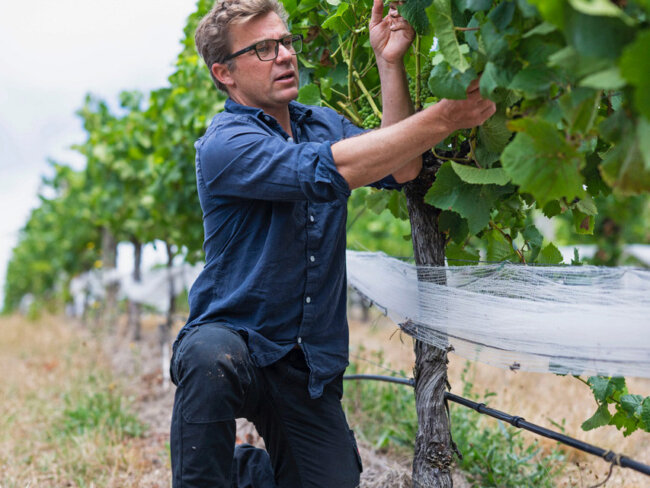
    Nestled within the gently rolling limestone hills of Geelong’s Surf Coast subregion, Bellbrae Estate is a compact seven-hectare jewel of a vineyard, growing a suitability concise mix of varieties: chardonnay, sauvignon blanc and viognier for the whites, pinot noir and shiraz for the reds. The vines here – a mere five minutes’ drive from international surfing mecca Bells Beach – were planted on their own roots in two tranches, first in 1999, with a second block following in 2015. Currently managed by Simon Steele, these vines produce wines of freshness with a mineral spine – a reflection of the brisk Southern Ocean breezes and hard limestone soils that characterise the site.

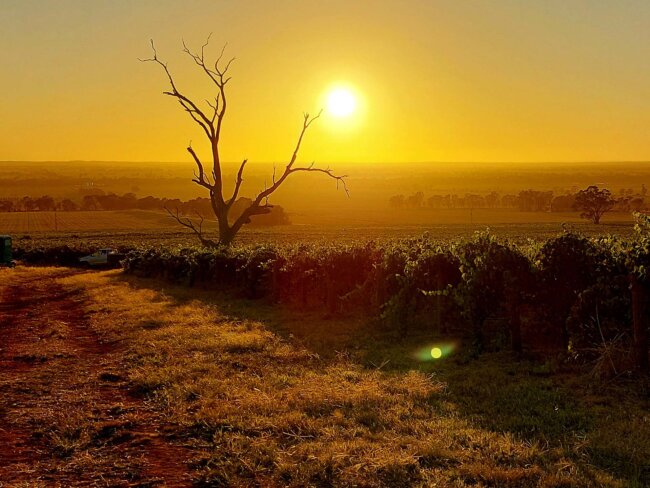
  • Yarrabee Vineyard, Frankland River

    Nestled in Frankland River at 250 meters elevation, Yarrabee spans 72 hectares under the care of Tim Penniment of Alkoomi. Planted on gravelly loams in 1997, with recent additions in 2019 and 2023, all on own roots, the site’s large diurnal swings, and dry, rain-shadowed climate shape chardonnay, riesling, semillon, sauvignon blanc, pinot gris, cabernet sauvignon, cabernet franc, shiraz, merlot, and grenache. Penniment’s approach prioritizes soil health, with winery-waste compost, cover crops, and sheep grazing boosting organic carbon and cutting water needs. Wines from here include Three Elms’ Mt Frankland Shiraz, Byron & Harold’s ‘The Partners’ trio, and a suite of releases from Alkoomi and Lange Estate. Yarrabee stands out in Australia’s wine scene for transforming a former commercial site into a premium fruit source via meticulous soil revival and community ties.

  • ​Whistling Eagle Vineyard, Heathcote

    Heathcote’s Whistling Eagle Vineyard, first planted in 1995, spans 50 hectares with vines averaging 10–20 years – the oldest hitting 30. Shiraz leads a diverse pack – sangiovese, cabernet sauvignon, grenache, nebbiolo, and more – across ancient red Cambrian soils. Ian ‘Bomber’ Rathjen, a fourth-generation grower, tends Whistling Eagle with son Scott, achieving low yields and big flavour via drip irrigation, straw mulch, and soft pruning on east-facing slopes. A true grower’s vineyard, its fruit lures in top winemakers, including De Bortoli, Tar & Roses, Wild Duck Creek, and Place of Changing Winds. The terroir, a result of Mount William’s fault line and gentle elevation, ripens fruit slowly via cool nights. Sustainability weaves in with native swards and over 100 flowering natives put in the ground since 2024, boosting bugs and bees.

  • Windows Estate, Margaret River

    Tucked into the cool coastal pocket of Yallingup on the northern edge of Margaret River, Windows Estate is a certified-organic standout shaped by Chris Davies, who planted his first vines at age 19. Spanning nine hectares out of a 47-hectare farm, this vineyard – planted in tranches from 1996 to 2014 – thrives on three distinct soil types: karri loam, fractured laterite, and granite-clay blends. Chris treats the farm as one living ecosystem, with no irrigation, minimal inputs, and a hands-on ethos –manual whipper-snipping and Guyot–Poussard pruning keep it personal. Over 50% of the land remains a conservation zone, buzzing with biodiversity, while the rest yields a tight lineup: both sparkling and still chenin blanc, chardonnay, semillon, syrah, and ‘Violette’ (a Bordeaux blend), with varietal petit verdot and malbec in select years. Each block is vinified separately, letting the site’s terroir shine through in every bottle. Proximity to the wild rhythm of the ocean and a towering ridgeline create a microclimate that tempers the heat, coaxing out vibrant acidity and layered flavors that speak directly of this unique patch of earth.

  • Utzinger Vineyard, Tamar Valley, Tasmania

    Nestled in Tasmania’s Tamar Valley, the Utzinger Vineyard spans 5 hectares under the care of Matthias Utzinger, planted in 2018 on virgin brown dermosols rich with ironstone gravel. This north-easterly slope, cooled by winds off kanamaluka/the Tamar River, offers a prolonged ripening season that shapes its pinot noir, chardonnay, sauvignon blanc, and syrah. Certified organic since its inception, the vineyard employs high-density planting at 6,500 vines per hectare, with 20% of the land dedicated to revegetation for biodiversity. Matthias crafts the wines from this site himself. This young vineyard, blending Utzinger’s Swiss heritage with Tasmanian terroir, shows how small-scale, intentional viticulture can make an immediate impact.

  • Tyrrell’s – Short Flat Vineyard, Hunter Valley

    Short Flat Vineyard is as close as Australia has to a Grand Cru equivalent – a family-owned, dry-grown site with vines dating to 1923, producing wines that have helped define Hunter Valley semillon, shiraz and chardonnay across decades. Spanning 12.51 hectares of sandy loam and red clay at 110 metres above sea level, the vineyard underpins Tyrrell’s most iconic bottlings: Vat 1 Semillon ($115), Vat 9 Shiraz ($115), Vat 47 Chardonnay ($110), the Short Flat Old Vine Chardonnay ($90) and the shiraz component of Vat 8 Shiraz Cabernet ($110). All vines are on their own roots. Viticulturist Brent Hutton manages the site with the particular attentiveness that old vines demand – close observation, incremental change, nothing blanket – while bringing a quietly restless willingness to challenge how such sites have traditionally been managed.

  • Turon Lenswood Vineyard, Adelaide Hills

    Turon White planted his first vines at Lenswood in 2020, and it shows – the oldest fruit on the property is five years old and the 1.57-hectare site is very much a work in progress. But the thinking behind it, accumulated over a decade of preparation before a post was knocked in, is anything but young. White farmed the land organically for more than ten years before planting, building soil rather than vines, and the vineyard that emerged from that preparation – steeply east-facing, ultra-high density, planted on own roots in ancient clay and shale on the eastern escarpment of the Adelaide Hills – reflects a clear and deliberate set of choices about what Lenswood can do and what it cannot. The estate produces a Turon Estate Pinot Noir and a Hills Series Pinot Noir (blended with Piccadilly Valley fruit), with the estate chardonnay to follow as the 2025 plantings mature.

  • Thomas Wines – Braemore Vineyard, Pokolbin, Hunter Valley

    In Pokolbin, at the heart of the Hunter Valley, Braemore Vineyard thrives as a 55-year-old testament to semillon’s quiet power. First planted in 1969 across six hectares of a 10-hectare property, this shrine to semillon – worked by Ken Bray and father–son duo Andrew and Daniel Thomas – turns out grapes that bottle a region’s soul. Lively and fresh in its youth, Thomas Wines’ Braemore Semillon is burnished by time to achieve great depth in its later life as the Cellar Reserve Braemore Semillon. The Braemore vineyard is a place where ancient vines, river-wrought soils, and a family’s steady hands weave wines brimming with place.

Thomas Wines – Braemore Vineyard, Pokolbin, Hunter Valley

The Next Wine Icons – Delivered

Each month, get 3 bottles of fresh discoveries.
We taste thousands to bring you the best.

Bookmark this job

Please sign in or create account as candidate to bookmark this job

Save this search

Please sign in or create account to save this search

create resume

Create Resume

Please sign in or create account as candidate to create a resume