Cape Mentelle – Estate Vineyard, Margaret River David Moulton

Read more
  • Cape Mentelle – Estate Vineyard, Margaret River

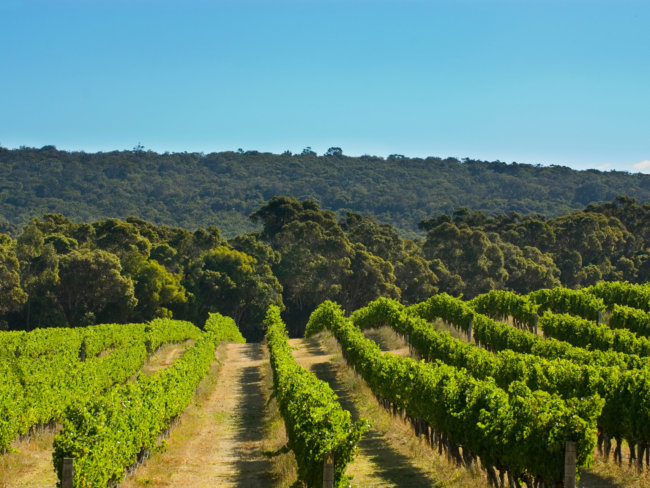
    One of Margaret River’s founding wineries, Cape Mentelle has grown from humble beginnings to be one of the nation’s most iconic producers. With the over 40-hectare Estate Vineyard at the heart of operations, viticulturist David Moulton has ceased the use of any synthetic products as of 2020, with a proud history of sustainable management evolving to organic practices (not certified). The Estate Vineyard is the centre of red wine production, and is responsible for Cape Mentelle’s most iconic bottlings, with their flagship cabernet sauvignon, shiraz and zinfandel all largely coming from the property’s old vines.
  • Quealy – Balnarring Vineyard, Mornington Peninsula

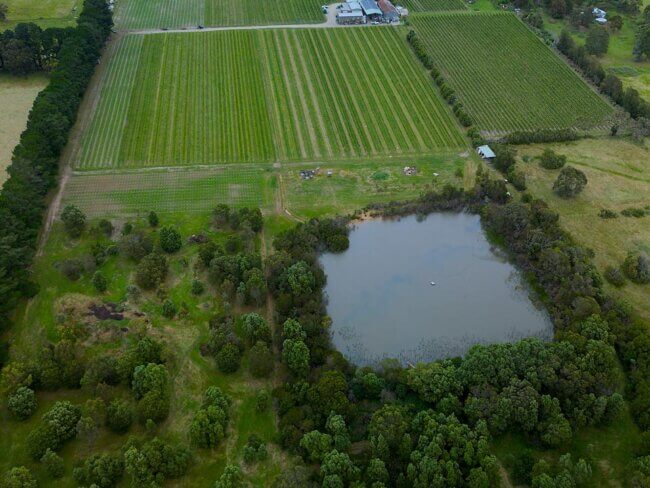
    Before selling to a major player, Kathleen Quealy and Kevin McCarthy made their mark as icons of the Mornington Peninsula in the 1990s, with their T’Gallant estate generating a flurry of interest around pinot grigio/gris that has not abated since. With a move to one of the Mornington Peninsula’s oldest vineyards in Balnarring, the pair have continued with their exploration of that grape, along with the Peninsula stalwarts of pinot noir and chardonnay, as well as delving into some key white grapes of north-eastern Italy. The site is responsible for some of the key Quealy bottlings, including their premium ‘Seventeen Rows’ pinot noir and skin-contact ‘Turbul’ friulano. Today, the vineyard is managed under organic certification by Will Byles, who took the reins from former manager Lucas Blanck after vintage 2023, to produce fruit for wines that range from classic to experimental and lo-fi.

  • Crittenden Home Vineyard, Mornington Peninsula

    Crittenden Estate is one of Mornington Peninsula’s oldest vineyards, with Garry Crittenden planting his first couple of hectares in the 80s, which doubled the region’s land under vine at the time. Today, while the regional strengths of chardonnay and pinot noir remain the same, much on the Peninsula has changed. And the Crittendens have changed too, with Garry and his son Rollo steering the viticulture down a sustainable route that has seen vast benefits for biodiversity and soil health, as well as wine quality. The estate vineyard produces a suite of wines – including two savagnin-based bottlings that pay homage to the wines of the Jura – which form the premium end of the Crittenden range. Top of that tree are the Cri de Coeur wines, and they’re wines that Rollo says would not have been possible without their farming revolution.

  • Hayes Family – Stone Well Estate, Barossa Valley

    Brett Hayes bought his Stone Well Vineyard to form the basis of Hayes Family Wines, launching the label in 2014. The Stone Well Vineyard is a modest 4.5-hectare site populated mostly by vines planted in 1948 – now 77 years in the ground, with an average age of 75 years – with the farming ACO certified organic and the onsite winery equally certified. The Stone Well Vineyard is the sole source of the Hayes Family Wines Estate Range, with block-specific shiraz, grenache and mataro bottlings, a GSM blend, a red field blend and a white field blend across 12 individual blocks. Brett Hayes and vineyard manager Amanda Mader oversee the management of the site, with the shiraz previously sold to Grant Burge to make ‘Meshach’, their flagship wine, for over 30 years before Hayes redirected the fruit entirely to his own label.

  • Hither & Yon – Sand Road, McLaren Vale

    The Leask brothers were born in the Hunter Valley but grew up in McLaren Vale, with their parents buying a vineyard there in 1980. Those holdings expanded across many sites over the years, with the brothers taking the step from growers to vignerons with their Hither & Yon label in 2012. Their project works out of their Sand Road Vineyard – supplying 80 per cent of their needs – with 23 hectares of vines that have been tweaked over the years to favour Mediterranean varieties that perform well in warm conditions, producing midweight wines with food in mind. The site is managed with a focus on regenerative agriculture by Richard Leask, who manages the viticulture and winemaking, while his brother, Malcolm, attends to the business and marketing side of things.

  • Penley Estate, Coonawarra

    Founded in 1988, Penley Estate is not Coonawarra’s oldest name, but it is one of its most celebrated. Focusing on the classic offerings of cabernet blends and shiraz, Penley is a traditional icon of the region, but Ang and Bec Tolley were determined to take their estate in a different direction, which has been visibly led in the winery but firmly anchored in the vineyard. Under the viticultural direction of Hans Loder, the estate has recently achieved sustainable certification from Sustainable Winegrowing Australia, and they are presently ‘in conversion’ to organic certification (NASAA). Loder ‘s viticulture program embraces technology and data to target the deployment of resources, improve soil health, and better assess fruit ripeness, resulting in wines with brighter profiles, while more experimental offerings have also been possible through the enhanced ability to select small parcels from the 80-hectare vineyard.

  • Adelina Vineyard, Clare Valley

    The Adelina vineyard, in the Clare Valley, is an old one. The first shiraz vines were planted in the early 1900s and were supplemented with grenache sometime in the ’40s. When Col McBryde and Jennie Gardner took over the management of the site in 2002, their work was cut out for them. With rampant wild olive trees and weeds aplenty, they set about regenerating the landscape, working with organic methods for many years before finally seeking and achieving certification in 2020. Today, those old vines are in fine health, while further plantings have increased the vineyard size a little to now occupy six hectares.

  • Ravensworth Vineyard, Canberra District

    For over 15 years, Bryan Martin was Tim Kirk’s righthand man at the towering icon of the Canberra District that is Clonakilla. That was while establishing his own Ravensworth label, which now twinkles just as brightly in the region’s firmament of stars. Martin now devotes all his time to tending the vines and making wine from his own site, just down the road from the Kirk’s property, as well as from selected vineyards in the Canberra district. That home site has 13 varieties across 3.3 hectares, with the regional leaders – shiraz and riesling – sharing the spotlight with sangiovese, along with a brace of French and Italian whites and newer plantings of gamay and nebbiolo. Martin hasn’t used synthetic chemicals for a decade, farming with an unwavering focus on soil health and microbial life to better express the signature of site.

Ravensworth Vineyard, Canberra District

The Next Wine Icons – Delivered

Each month, get 3 bottles of fresh discoveries.
We taste thousands to bring you the best.

Bookmark this job

Please sign in or create account as candidate to bookmark this job

Save this search

Please sign in or create account to save this search

create resume

Create Resume

Please sign in or create account as candidate to create a resume