Ricca Terra – Soldiers’ Land Vineyard, Riverland Ashley Ratcliff

Read more
  • Ricca Terra – Soldiers’ Land Vineyard, Riverland

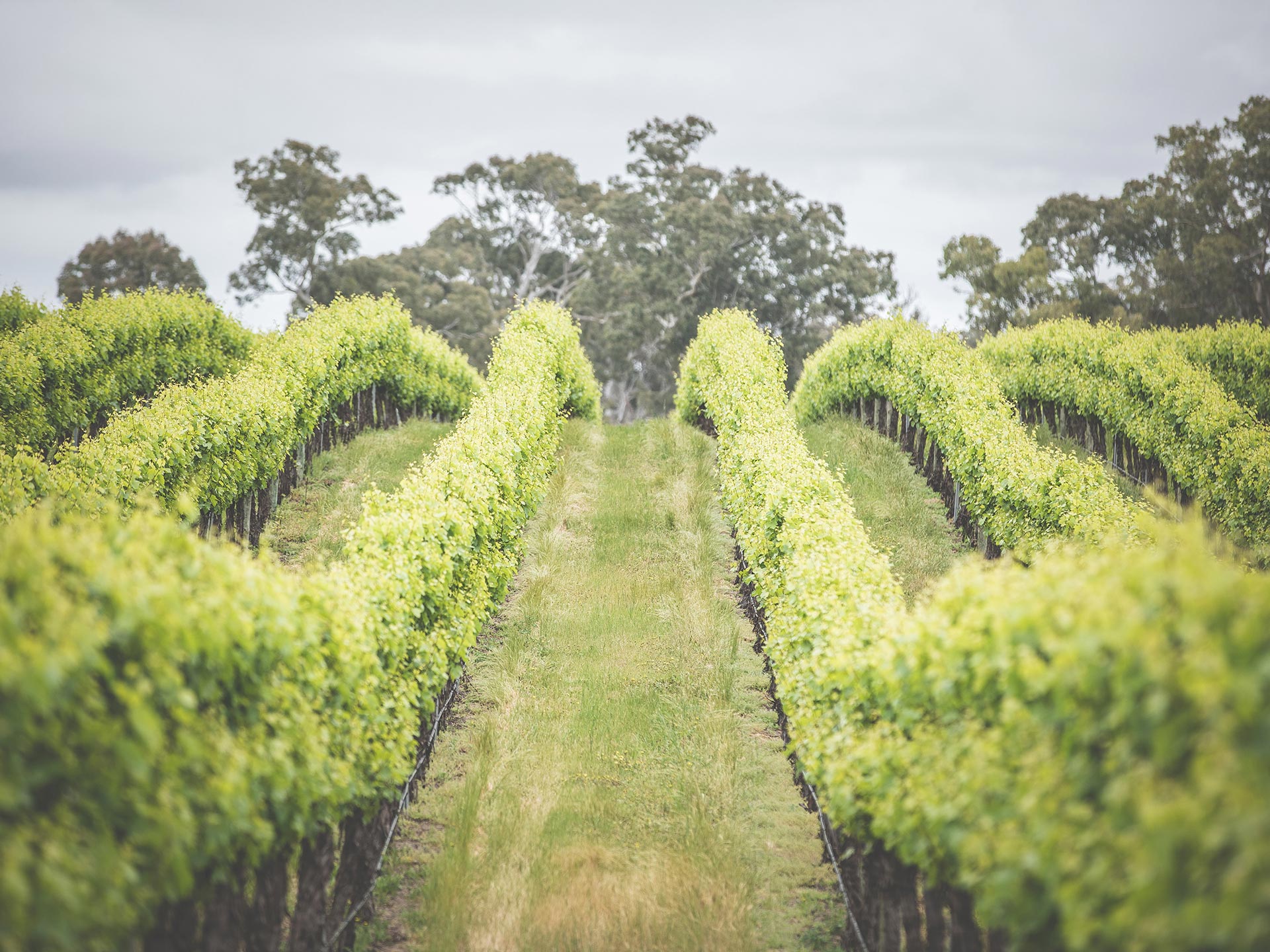
    The Soldiers’ Land Vineyard – purchased by Ashley and Holly Ratcliff’s Ricca Terra Farms operation in January 2021 – is not built around the Mediterranean alternative varieties that have made Ricca Terra famous. Rather, it is a celebration of heritage: an 8.8-hectare property at 171 Jury Road in Monash that has been farmed continuously for more than 103 years, first settled in 1922 by Horace Walpole and Clara Denford under the government’s soldier settlement scheme, and owned by the Petch family from 1939 until the Ratcliffs purchased it from Robert and Ruth Petch, who wanted to retire. The old shiraz vines were planted in the decade after the end of the Second World War and are now 80 years old. The zibibbo – the Sicilian synonym for what is locally known as gordo, and more formally as muscat of alexandria – is 75 years old. These are the vines that the Riverland wanted to bulldoze. Ratcliff saw something else entirely.

  • Stefano Lubiana Vineyard, Granton

    It is over 30 years since Steve Lubiana set up shop in the Derwent Valley, only a short drive from Hobart, with the Stefano Lubiana Vineyard now occupying just over 28 hectares. Certified biodynamic for nearly a decade, it was Tasmania’s first to achieve accreditation, and was the island state’s only one until very recently. Pinot noir and chardonnay take centre stage, but there are also aromatic whites, syrah and small plots of malvasia and blaufrĂ€nkisch planted. The wines veer from those classically styled, including several single block bottlings, to ones of a natural bent raised in amphora, while the original motivation for the move south – sparkling wine – sees six individual expressions, including a vintage that slumbers for a decade on lees.

  • Keith Tulloch Wine – Field of Mars Vineyard, Hunter Valley

    Field of Mars is the Keith Tulloch Wine home vineyard. Planted mostly to 40- to 50-year-old vines on alluvial soils in Pokolbin, it rubs shoulders with some of the Hunter’s most revered semillon sites. Sustainability is a key driver of the estate, from the farming to re-establishing native scrub to using only recycled packaging for their wine. The site is run by Alisdair Tulloch, operations manager and sustainability manager for Keith Tulloch Wines, who guides the growing of fruit for premium single block varietal wines from chardonnay, shiraz, viognier and semillon in the Field of Mars range.

  • See Saw Wines – Annangrove Park Vineyard, Orange

    See Saw Wines, in the New South Wales high-altitude region of Orange, has committed to sustainability across their three vineyard sites, as well right through the production and packaging of their wines. The operation is now all certified organic, with viticulturist Brendan Jarrett focusing on building a balanced system that is built on healthy soil and minimal water use. Their Annangrove Park Vineyard accounts for around 40 per cent of their output, with the vineyard arrayed over a 200-metre range in elevation, topping out at 900 metres, with great variation in aspects and soil types. Chardonnay and pinot noir are natural stars, but the vineyard also has the region’s only prosecco, along with marsanne, sauvignon blanc and syrah, which go to making wines under the See Saw banner, from classic varietal wines to forays into pĂ©t-nats and skin contact ‘whites’.

  • Lake Moodemere Vineyard, Rutherglen

    Lake Moodemere Estate is planted to red soils on an ancient riverbed of the Murray in Victoria’s historic Rutherglen region. The site has been in the Chambers family for five generations, with the first vines planted in the 1800s – though they did not see the next century due to phylloxera. A long history of focusing on sustainability has been enhanced as the years go by, with a symbiotic relationship with their mixed farming and vineyard operations of mutual benefit. The property abuts the Moodemere Reserve, with dense bushland providing a rich habitat for beneficial insects and native wildlife, which in league with their sustainable practices (including cover crops that were first implemented in the 1970s) eliminated insecticide use 40 years ago. The fruit goes to making estate wines – sparkling, table and fortified – which are made onsite and served in their lakeside restaurant, which is supplied by their farm, using everything from wheat to lamb, vegetables, fruit and honey. Joel Chambers is the vineyard manager.

  • Orbis Vineyard, McLaren Vale

    The Orbis wine label was founded by Brad Moyes and Kendall Grey in 2018 when they purchased an established vineyard in McLaren Vale. The Orbis name references the idea of a self-sufficient system, and the pair anchor everything they do in sustainability, from farming to bottling. Mowing between the rows is largely performed by a flock of babydoll sheep that have been given permanent residence between the vines, with chickens and ducks to join them once a fox-proof fence trial is completed. The fruit goes to the Orbis wines made by Verity and Jamie Cowley at the onsite winery, from a pétillant rosé and a piquette to trousseau and an old vine shiraz, with a pair of rosés and a few Mediterranean varietal wines and non-traditional blends filling out the roster. Contract grapes are also sold to make premium products for Ministry of Clouds and Samson Tall, alongside more established brands such as Penfolds and Wirra Wirra. The vineyard is managed regeneratively by Verity Cowley and owner Brad Moyes, with viticultural guidance by GT Growers, and the aim to achieve organic and biodynamic certification within the next three years.

  • Land of Tomorrow – Grindstone Vineyard, Wrattonbully

    Susie Harris started the Land of Tomorrow wine brand with grapes from her family’s Wrattonbully property, which they have farmed for four generations. Beginning in the 1970s, the property has been steadily revegetated from bare grazing land to re-establish woodland and wetlands, with vines first planted for the Grindstone Vineyard in 1995. Harris has sped up the process of restoring the land, with as much attention to the vineyard as the surrounding land, building biodiversity from microbes in the soil to native grasses between the rows and fauna in the re-established scrub. She is also focused on communicating that message to consumers, with an ecotourism hut hosting visitors to understand the broader environmental goals while appreciating the wines and their connection with the land that Harris is seeking to protect. The Grindstone Vineyard is responsible for a chardonnay, shiraz and cabernet shiraz under the Land of Tomorrow label.

  • Alkina Vineyard, Barossa Valley

    Alkina is a relatively new project on an old farm. First planted to vines by Les Kalleske in 1955 in the Barossa subregion of Greenock, the site boasts stone buildings dating back to the 1850s. When Argentinian vigneron Alejandro Bulgheroni bought the property in 2015, he planted new vines and embarked on a process of examining the site’s geology in microscopic detail over a five-year project. With general manager Amelia Nolan and vineyard manager Johnny Schuster both overseeing the certified biodynamic vineyard, the ongoing quest is to grow terroir-reflective fruit from Barossa heritage varieties and elaborate them with simple and transparent winemaking, both as blends of blocks and micro-parcels called ‘Polygons’.

Alkina Vineyard, Barossa Valley

The Next Wine Icons – Delivered

Each month, get 3 bottles of fresh discoveries.
We taste thousands to bring you the best.

Bookmark this job

Please sign in or create account as candidate to bookmark this job

Save this search

Please sign in or create account to save this search

create resume

Create Resume

Please sign in or create account as candidate to create a resume