-
Producer
Thomas Wines -
Region
Hunter Valley
-
RRP
$70
-
Vintage
2019
-
Variety/Varieties
Semillon
-
Alc./Vol.
10.6%
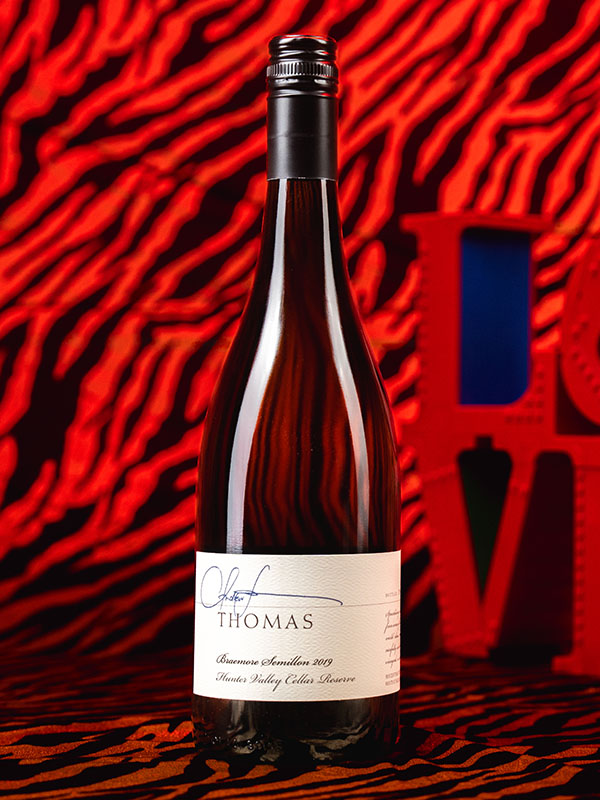
Lemon-lime zest and toast, with piercing, mouth-watering acidity and a flinty finish. Super low in alcohol, no oak anywhere. Just a lot of patience, done by someone else.
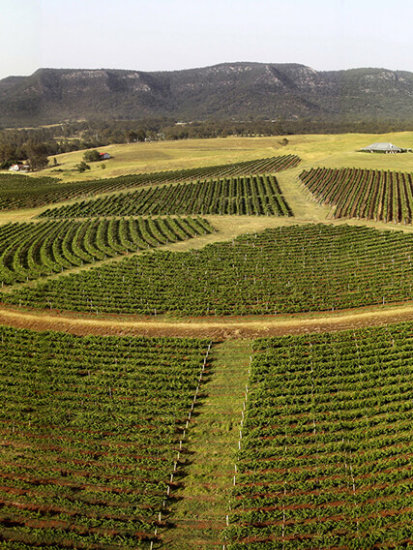
Thomas Wines is one of the Hunter Valley’s cult names, a father-and-son operation run by Andrew Thomas and, in recent years, his son Daniel, with a laser focus on two things: shiraz and semillon. Andrew’s philosophy is refreshingly simple: most of a wine’s quality is made in the vineyard, so the winemaking should stay out of the way. Their Braemore vineyard in Pokolbin is where that idea gets its best workout, and it was a finalist in our 2024 Vineyard of the Year Awards.
Braemore was planted in 1969 by Ken Bray, six hectares given over entirely to semillon, all of it on its own roots rather than grafted onto rootstock. It sits on deep, free-draining sandy alluvial soil laid down by an ancient watercourse. In a warm, humid region where semillon has no business being this good, that sand does a lot of the heavy lifting: it drains fast, so vines never stand in waterlogged ground, it holds vigour in check, and it sends roots deep in search of moisture. The wines that come off it tend to be lighter and leaner, fresh in youth and gaining finesse with age, which is exactly the profile you want from a wine built to be cellared. Thomas Wines had bought semillon from Braemore every vintage since 2000, with an unwritten understanding that they’d get first option if the Brays ever sold. In 2017 they did, and the Thomases bought the vineyard outright.
The 2019 vintage was warm and dry, the third year of a four-year drought in the Hunter, which gave fruit that ripened well but kept its natural acidity. It was hand-picked on 1 February, whole-bunch pressed to keep phenolics low, and fermented in stainless steel with a neutral yeast, followed by just four weeks on lees. Nothing about it is dressed up. Then comes the Cellar Reserve part: bottled under screwcap, it was held in the winery’s climate-controlled cellar at 15°C and released only after six years of bottle age. It’s a small parcel too, 689 six-packs in total.
Tasting note
A lovely balance on the nose between youth and development: lemon-lime zest, toast slathered with butter, Rose’s fine-cut lime marmalade, lemon blossom and Yellow Box honey, with a faint suggestion of flint or oyster shell minerality running underneath. The colour is bright and pale lemon, still very much on the young side. The palate is linear and almost piercing, with acidity that drives the whole wine forward, fresh and tightly wound, before a lovely hint of lemon-pith bitterness on the finish stretches everything out. It’s 10.6% alcohol and feels it in the best possible way: light, taut and mouth-watering, with the toasty, honeyed side only just starting to show its hand.
When to drink
This is a wine for when you want to impress, so use it on mates who’ll notice, and then let it do the talking. It’s also completely at home on a quiet Friday night with nothing planned, or on a long lunch that drifts into the afternoon. It drinks beautifully right now, but if you’ve got the willpower, a decade or more in the cellar will bring out the honeyed, toasty side (willpower sold separately).
It certainly doesn’t need food, and we don’t get precious about pairing. But if that’s your thing, a plate of freshly shucked oysters with a squeeze of lemon is the classic for a reason: the salty, stony finish and the brine meet halfway. Do it that way, or don’t. Either way, you won’t need persuading to open another bottle.
Themes of this wine
Hunter semillon
Hunter Valley semillon is one of the great party tricks of Australian wine. It’s picked early, at low sugar, and made without oak, so it lands at around 10 to 11 per cent alcohol, bone dry and often almost austere in its youth. That bracing acidity is what carries it through years, even decades, in the bottle, slowly turning lemon and lime into honey, toast and marmalade, all without a single barrel. Few white wines anywhere in the world change so dramatically, or so reliably, with time.
Old vines on their own roots
Most of the world’s vines are grafted onto a different rootstock, a defence against the root-munching pest phylloxera. Vines on their own roots are less common, and they tend to survive on sandy soils, which phylloxera finds harder going. Age on its own doesn’t make a great wine, but older, established vines tend to settle into a steady, balanced rhythm, giving smaller yields and a consistency of fruit that winemakers prize. At fifty-odd years, Braemore is well into that stage of its life.
Cellar release
Some wines are released the moment they’re bottled. Others, like this one, are held back by the producer until they’re closer to drinking well. A cellar release means the winery has done the waiting (and the storing, and the temperature control) so you don’t have to. For semillon in particular, it’s a way to taste a few years of bottle age without the patience, space or discipline to cellar it yourself, and with a few more decades still left in the tank if you decide to keep going.
Explore Further


GET FIRST ACCESS TO THE NEXT WINE ICONS – DELIVERED
Find out moreEach month, get 3 bottles of our freshest discoveries. We taste thousands to bring you the best.
Join us and support emerging winemakers, sustainable vineyards, and the development of young professionals.
— Max Allen, Wine Writer
— Broadsheet
— The Australian