-
Producer
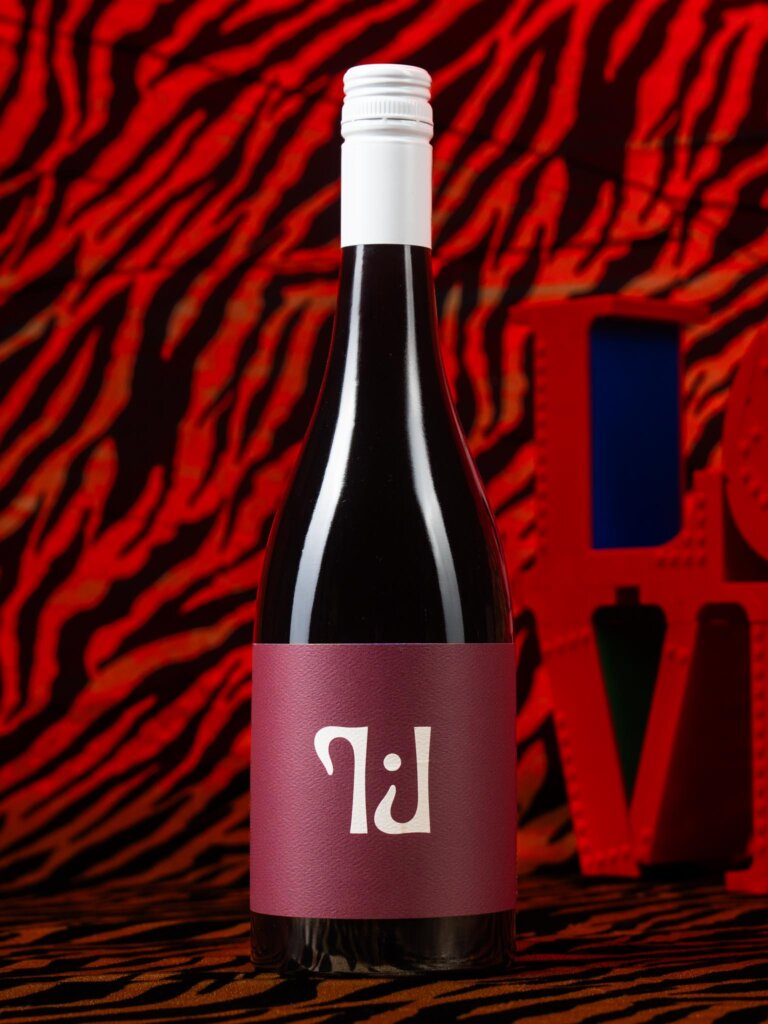
Tillie J -
Region
Yarra Valley
-
RRP
$45
-
Vintage
2025
-
Variety/Varieties
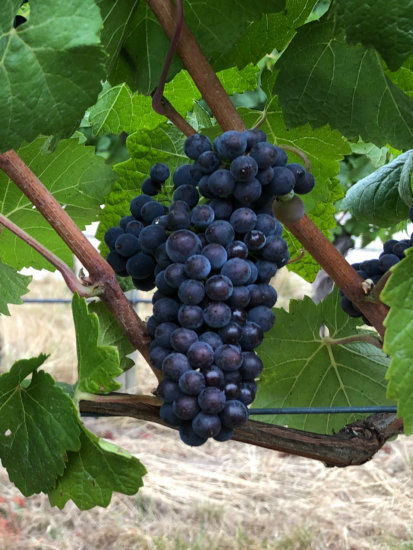
Pinot noir
-
Alc./Vol.
12.2%
Bright, brambly red and purple fruits, with a little green spice and a sappy edge. It’s light on its feet, so it’s easy to enjoy on its own, but there’s enough structure to work with food too.
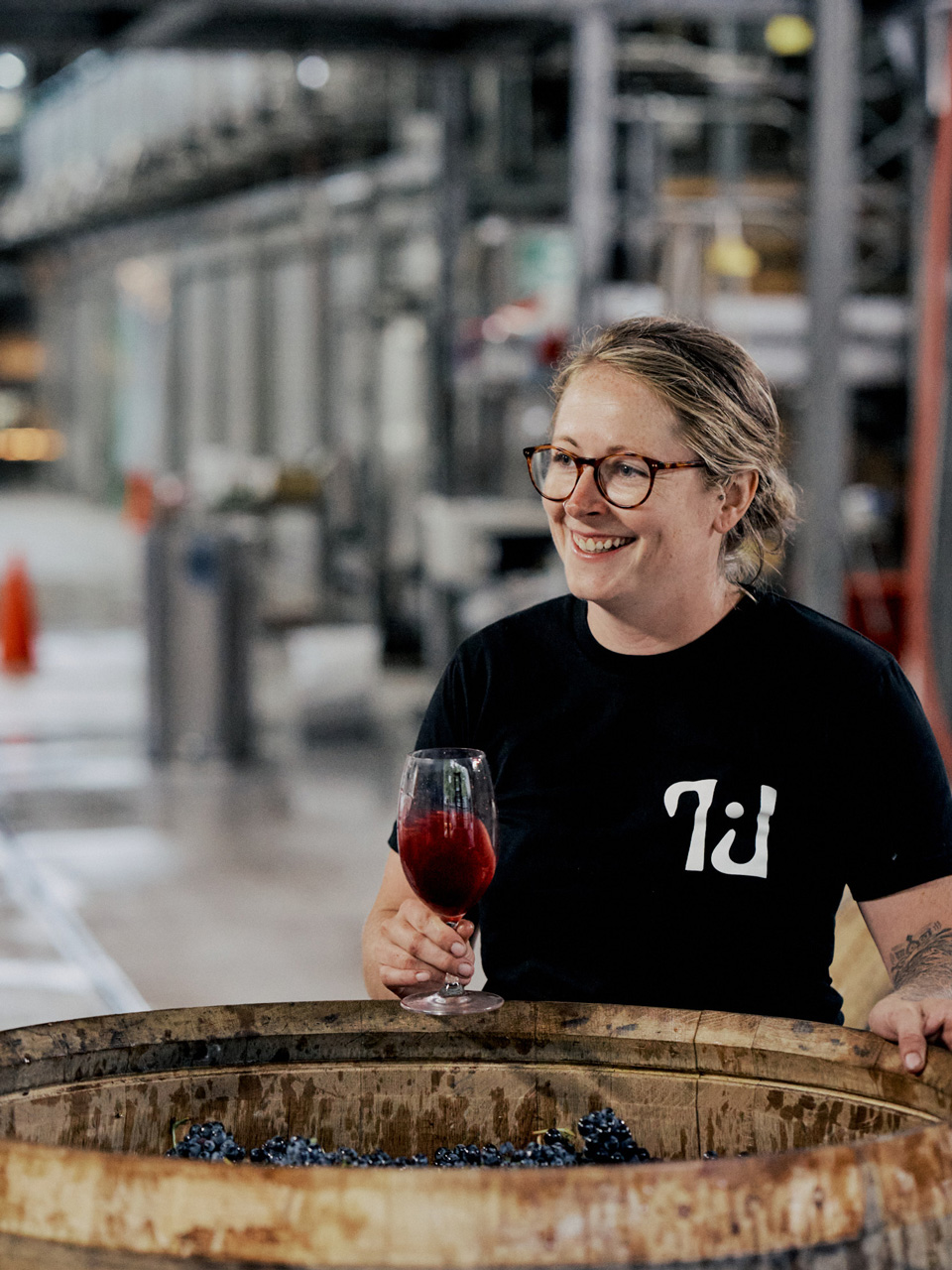
Tillie Johnston grew up on the fringe of the Yarra Valley, picking up casual work in cellar doors and restaurants, and after a degree in sports science she did her first vintage at Coldstream Hills in 2012, then went on to study winemaking and viticulture at the University of Melbourne. Vintages at Yarra Yering, Leeuwin Estate, Brokenwood, Keller in Germany and Cristom in Oregon followed, and then she came home. In 2019 she launched Tillie J Wines through the inaugural Young Winemakers program at No.7 Healesville, with two tonnes of pinot noir, and in the early days she sold the wine door to door around Northcote and Preston. The label first turned up in our Young Gun of Wine Awards around five years ago, and our judging panel was immediately struck. Who is this new label, and how has she made something so good as a first release? Tillie has been a finalist every year from 2021 to 2024, and took out the People’s Choice trophy in 2023.
As they say, great wine is made in the vineyard, and part of the fruit for this wine comes from a small block of eight-year-old vines in Gruyere that Tillie farmed herself. The rest comes from a friend’s vineyard less than a kilometre away on the Yarra Valley floor. Tillie also works part-time in the vineyard for other local makers, and she’s developing her own land in the Upper Yarra, with vines and a cellar door to come, all while raising a young daughter.
In the winery, a third of the fruit is fermented as whole bunches, which brings those green spices and some sappy structure from the stalks. The wine then spends nine months in French oak, mostly old, with only a small portion of new, to keep the oak character in the background. This 2025 also did really well in our latest Yarra Valley Pinot Noir Deep Dive blind tasting.
Tasting note
Bright, brambly red and purple fruits lead the way, with green spice and a sappy edge from the stalks in the ferment. The nose is morello cherries, freeze-dried raspberries and dried rose petals, backed by spicy notes of kola nut, mace and pink peppercorn. The palate is really light, with a lovely balance between vibrant fruit, sour cherry juice and tart blood plum, and darker, more savoury notes of freshly turned earth and dried bay leaf. Fine, powder-soft tannins, with a little stalky grip, hold a firm line through the palate, and energetic acidity drives it to a long finish. It’s light enough to smash, but there’s real structure and complexity here despite that lightness.
When to drink
This wine is a bit like a mullet haircut: business up front, party at the back. It’s light enough to smash on its own, so pop it open when your pinot-loving best friend comes over for a night of wine-fuelled gossip, or bring it to a dinner party with your wine nerd mates and watch them rethink their opinions about Yarra Valley pinot noir. It doesn’t need food to be enjoyed, and we don’t get precious about pairing anyway. But if that’s your thing, that tangy vibrance begs for burgers with the lot and a couch-bound movie night, or duck with sour cherries if you feel like showing off for good company. Pick a mood, it’s got you covered.
Themes of this wine
Yarra Valley
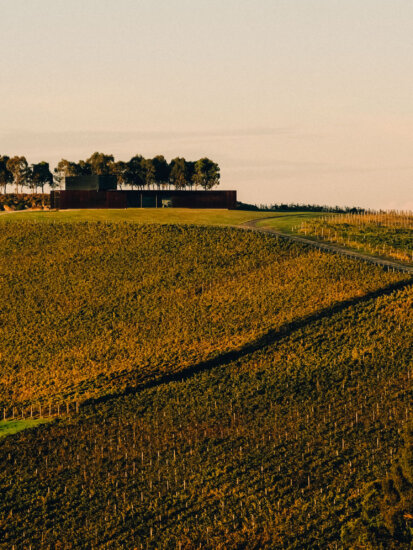
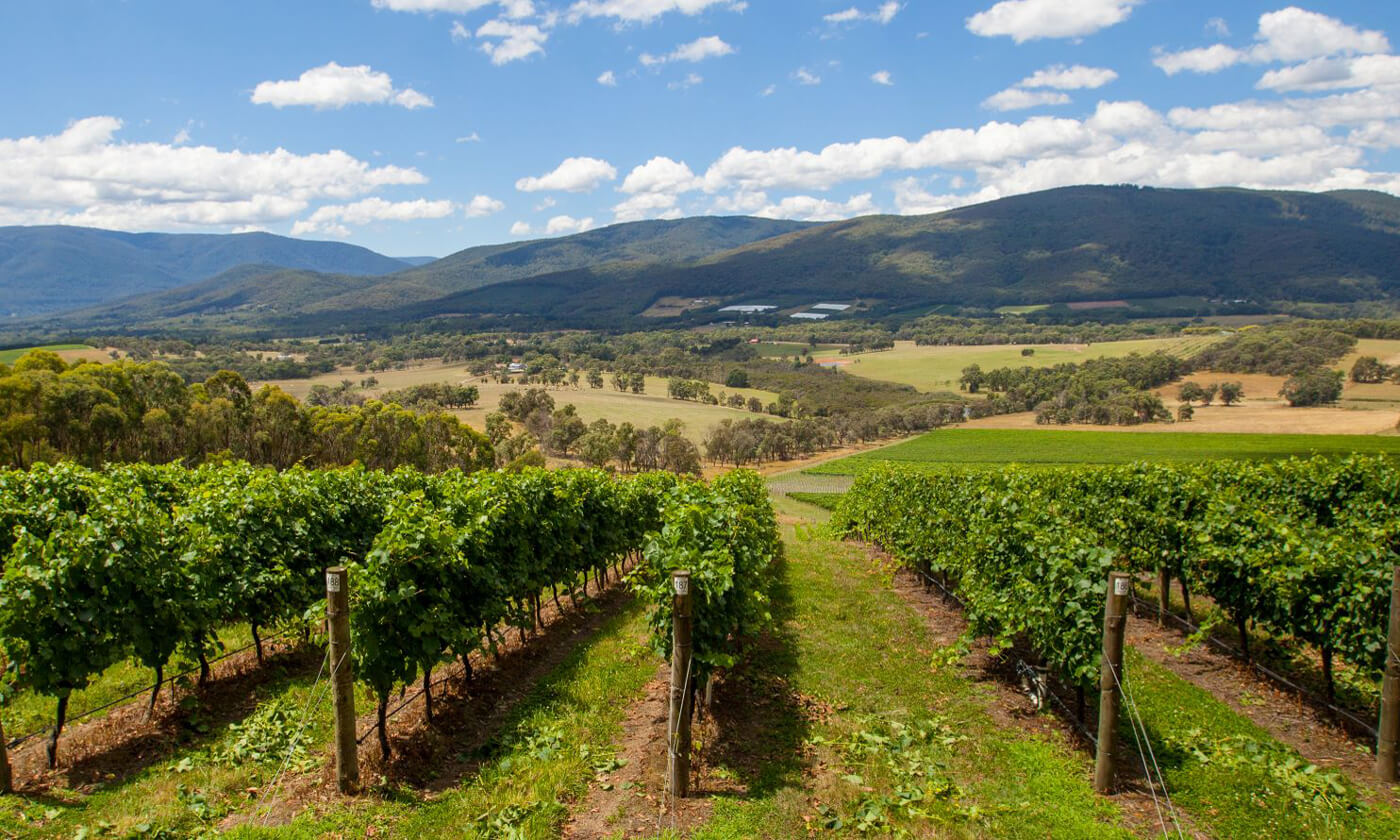
The Yarra Valley, about 50 kilometres north-east of Melbourne, is one of Australia’s premier wine regions and one of its coldest viticultural zones. Rolling hills, varied elevations and a mosaic of soils create a range of microclimates, so the same variety can express itself in distinctly different ways from site to site. Chardonnay and pinot noir are the undisputed hero varieties, with cabernet and shiraz in more than able support.
Clones / MV6
A clone is a group of vines propagated from a single parent vine, and pinot noir is famous for having lots of them, each with its own particular character. Choosing which to plant is one of a winegrower’s big decisions. MV6 is one of Australia’s most important pinot noir clones. It traces back to vines planted at Mount Pleasant in the Hunter Valley in 1921, which the CSIRO began propagating from the late 1960s, and it’s now the backbone of Australian pinot noir, particularly in Victoria. The fruit in this wine is all MV6.
Whole-bunch fermentation
Whole-bunch fermentation means some of the grapes go into the fermenter still on their stems, rather than being destemmed first. The stems add structure, a firmer line of tannin, and green, spicy, sappy characters, and they can lift the aromatics of the wine too. It’s most closely associated with pinot noir, where it’s used in measured proportions to add complexity and savoury interest without overwhelming the fruit.
Explore Further

GET FIRST ACCESS TO THE NEXT WINE ICONS – DELIVERED
Find out moreEach month, get 3 bottles of our freshest discoveries. We taste thousands to bring you the best.
Join us and support emerging winemakers, sustainable vineyards, and the development of young professionals.
— Max Allen, Wine Writer
— Broadsheet
— The Australian