-
Producer
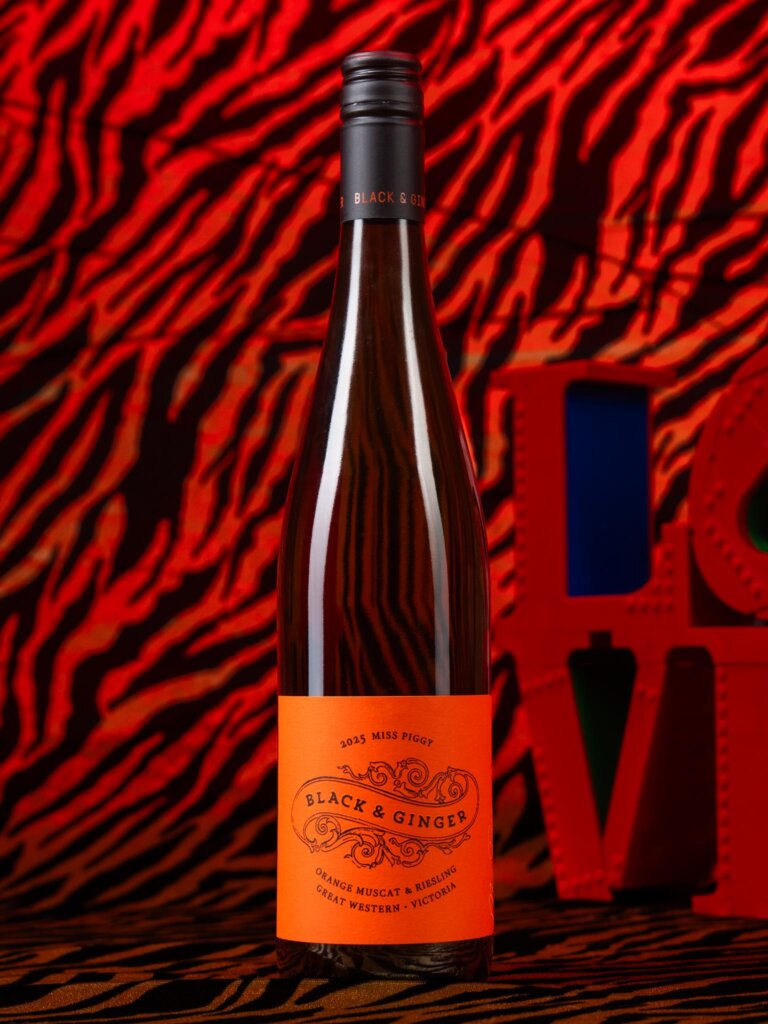
Black & Ginger -
Region
Great Western
-
RRP
$39
-
Vintage
2025
-
Variety/Varieties
Orange Muscat Riesling
-
Alc./Vol.
12.8%
Orange blossom, lychee and ripe mandarin, with a floral, sherbety lift. It smells like it might be sweet, but it’s zesty, fresh and properly dry. Bright, fun and dangerously easy to keep sipping.
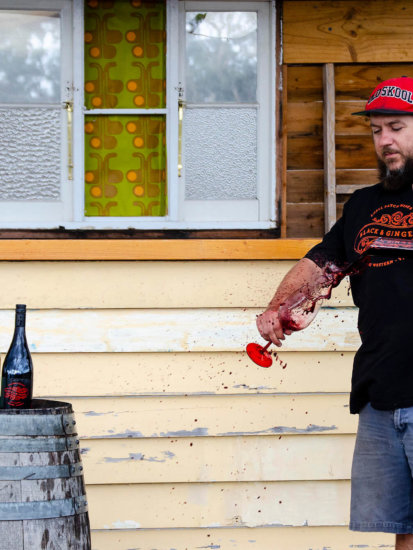
Hadyn Black and Darcy ‘Ginger’ Naunton met at high school in 2002, and dreamed up Black & Ginger around a campfire years later, after a beer or two too many. The label launched in 2015, with Hadyn going full-time in 2018 after five years at Best’s in Great Western, and in 2025, ten vintages in, it finally opened a cellar door: more wine bar than tasting room, with comfy couches and a big table in the middle of it. The idea has always been to make interesting wines from interesting varieties that most people in the region aren’t growing. The Grampians makes a huge amount of shiraz, and Hadyn wanted to get away from that. His philosophy is simple: wine is just fermented grape juice, and it shouldn’t be scary. He’s been a finalist multiple times in our Young Gun of Wine Awards since 2020.
In 2019, Hadyn found the Arrawatta Vineyard, home to orange muscat, graciano and a suite of Portuguese varieties that nobody else in the Grampians was making wine from. It gave the label the distinctive varieties it was after, and Miss Piggy was first made that same year. Orange muscat is intensely aromatic, showing orange blossom characters as it’s pressed, and Hadyn describes the smell as frosty fruits. It’s usually made into sweet wines, and on its own it’s viscous and rich. But Hadyn had other ideas: a dry table wine. So he blends it with riesling, 70/30 in this wine, using the riesling’s natural acidity to balance the richness and keep things fresh.
Then there’s the name. During the first vintage of muscat, Hadyn lifted the lid off a tank and found a frog inside, which immediately brought to mind a joke about Kermit the Frog and Miss Piggy. It stuck. Production is tiny, around 300 litres of this wine, which makes every bottle a rare treat.
Tasting note
A minerally nose with floral, sherbet and honeydew characters lifts out of the glass, turning exotic with lychee, freshly peeled young ginger, jasmine and lime blossom, and a touch of talc. Those aromas might have you worried the wine will be sweet, but the palate is zesty, fresh and very dry, carried by ripe mandarin and plenty of drive and energy from the riesling. The texture is slippery and slightly oily, with a little chalk and a touch of grip, and a pleasant bitterness and savoury, leesy note on the finish keeps things fresh and primes you for the next sip. You can pick out both grapes, the perfume of the muscat and the tension of the riesling, and they sit together beautifully.
When to drink
This is a playful wine (it’s named after a Muppet, after all) and it’s happy to be the life of whatever party it turns up at. Open it as the first bottle of the night, an aperitif to get things started, or take it to a picnic in the park with a bag of chips and good mates while you wait for the barbecue to heat up. It doesn’t need food to be enjoyed, and we don’t get precious about food pairing anyway. But if that’s your thing, a wine with this much personality loves food with plenty of its own. Think a slow-simmered chicken tagine, strewn with Moroccan spice and preserved lemon, on a sultry summer’s evening, or freshly shucked oysters topped with a Thai nam jim.
Themes of this wine
Orange Muscat
Orange muscat takes its name from the unmistakable orange blossom perfume it gives off, and is also known by the French name Muscat Fleur d’Oranger. It belongs to the Muscat family, one of the oldest and most aromatic grape families in the world, and it’s most often made into sweet wines, from light and spritzy styles to rich, dessert-style bottles. Dry versions are rare, which is exactly why a dry orange muscat like this one turns heads: all of that exotic perfume, without the sugar.
Grampians
The Grampians wine region sits in western Victoria, in and around the town of Great Western, in the shadow of the Grampians ranges. Vines have been grown here since the mid-1800s, and the region is best known for cool-climate shiraz, riesling and sparkling wine. That’s what makes producers like Black & Ginger, working with orange muscat, graciano and Portuguese varieties, a genuine curiosity in a region where most cellar doors lead with shiraz.
Riesling
Riesling is naturally high in acidity, wonderfully aromatic, and remarkably transparent about where it was grown. In this blend its job is balance: the riesling brings the acid line, drive and chalky texture that keeps the rich, perfumed muscat dry, fresh and nimble. It’s one of the Grampians’ staple varieties, and the reason a wine built mostly from orange muscat tastes light on its feet rather than heavy.
Blending
Blending grape varieties is one of the oldest and most effective tools in winemaking, pairing complementary strengths to create something neither grape could achieve alone. A firm, structured variety might be softened by a fleshier partner; a fragrant one might gain backbone from a denser companion. The result is greater balance, complexity and, often, broader appeal. Iconic examples span the world: Bordeaux’s cabernet sauvignon and merlot combinations, the grenache–syrah–mourvèdre blends of Australia and France’s Rhône Valley, and Champagne’s chardonnay–pinot noir–pinot meunier. In each case the proportions are deliberate, not fixed, shifting with vintage and intent. Far from a compromise, multi-variety blending is a precise craft, part science and part intuition, that lets winemakers shape wines of lasting character and drinkability.
Explore Further
GET FIRST ACCESS TO THE NEXT WINE ICONS – DELIVERED
Find out moreEach month, get 3 bottles of our freshest discoveries. We taste thousands to bring you the best.
Join us and support emerging winemakers, sustainable vineyards, and the development of young professionals.
— Max Allen, Wine Writer
— Broadsheet
— The Australian