-
Producer
Latta Vino -
Region
Pyrenees
-
RRP
$43
-
Vintage
2021
-
Variety/Varieties
Sauvignon blanc
-
Alc./Vol.
12%
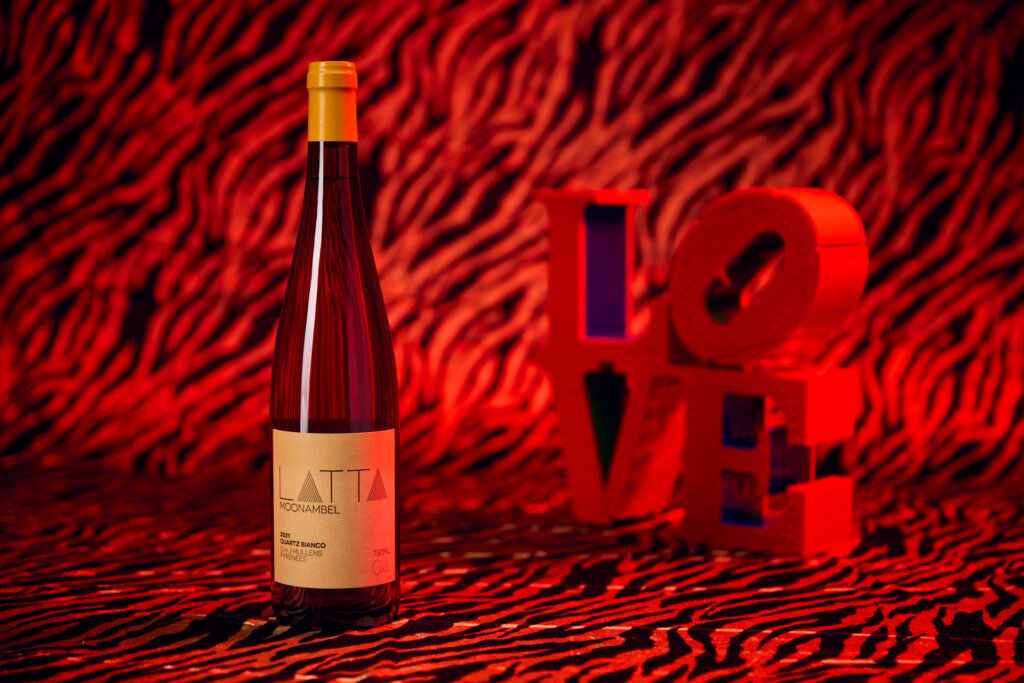
Sauvignon blanc is the most popular wine variety in Australian retail, accounting for roughly one in every seven bottles of wine sold here. Despite this fact, it’s a variety that many wine drinkers disdain and misunderstand. Fortunately, Latta Vino’s ‘Quartz Bianco’ – made by Young Gun of Wine Award winner Owen Latta – offers a masterclass in the virtues of the variety, offering a textural and mineral-driven rendition that’s miles away from the exuberant tropical fruit clichés of Marlborough.
Tasting note
This wine offers a compelling and heady bouquet of ripe guava, fresh feijoa, pineapple rind, lemongrass, lemon balm, creamy vanilla and sugar snap pea tendril, with a tiny touch of durian funk and a pleasantly earthy/mineral hint of motor oil providing a bass note. The palate is bright with acidity, and shows a slightly creamy texture thanks to ten months of lees ageing. No barrels were harmed in the making of this wine, though, so while those lees add texture and a savoury complexity, this is a wine that doesn’t tip over into full fumé blanc territory – its stainless-steel élevage maintains a firm spine of freshness that helps drive the wine down the palate. The finish is long and vibrant, with a crystalline mineral note that helps hold the fruit characters in focus long after each sip. This is a wine that demonstrates the virtues of cellaring high-quality sauvignon blanc, showing layers of complexity and depth that only time in bottle can generate.
Themes of this wine
Sauvignon blanc
When you think of sauvignon blanc, it’s hard not to think of New Zealand almost immediately, and the pungently expressive examples from Marlborough. But sauvignon also contributes to some of France’s most noble wines – principally in the Loire Valley and Bordeaux – as well as a huge diversity of expressions in Australia, both bottled solo and in blends.
Lees ageing
Lees are simply the solid bits in a wine, which are often, but not always, removed from a wine prior to bottling. They’re mainly dead yeast cells that have done their job turning sugar to alcohol during fermentation, but lees can be really any particulate matter in a wine, including fragments of grape skins and the like. The lees can play a big role in a wine, too, with wine kept on its lees (or sur lie, as the French say) developing more texture and sometimes creamy and cheesy aromatic notes (sometimes nice, sometimes not).
Pyrenees
The wine zone of Western Victoria contains the three major regions of the Grampians, the Pyrenees and Henty. Being the furthest inland to the north-east, the Pyrenees is more continental in climate with warm days and cold nights. The Pyrenees were planted to vines in the 19th century, with the last vines disappearing in the 1940s, before replanting in the 1960s. Interestingly, sparkling wine was an early focus in the Pyrenees, though the warm summer days make ripening later picked red varieties, such as cabernet sauvignon, a reliable proposition. The fact that both things are possible is testament to the heterogenous nature of the region. The modern founders are still the region’s most acclaimed names, such as Blue Pyrenees, Taltarni, Mount Avoca and Dalwhinnie.

GET FIRST ACCESS TO THE NEXT WINE ICONS – DELIVERED
Find out moreEach month, get 3 bottles of our freshest discoveries. We taste thousands to bring you the best.
Join us and support emerging winemakers, sustainable vineyards, and the development of young professionals.
— Max Allen, Wine Writer
— Broadsheet
— The Australian