-
Producer
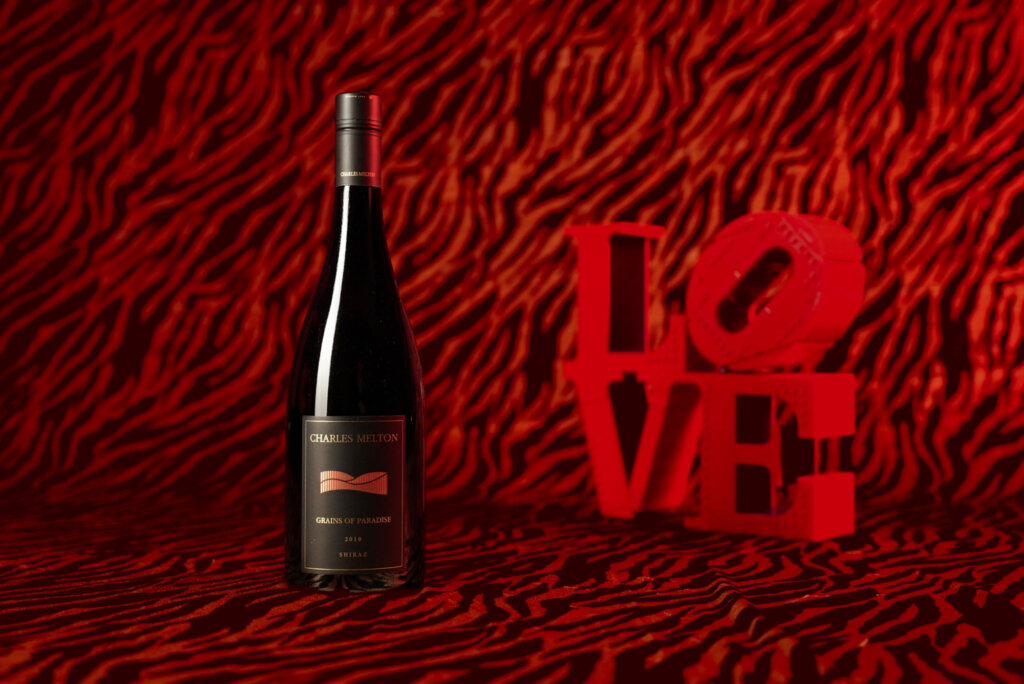
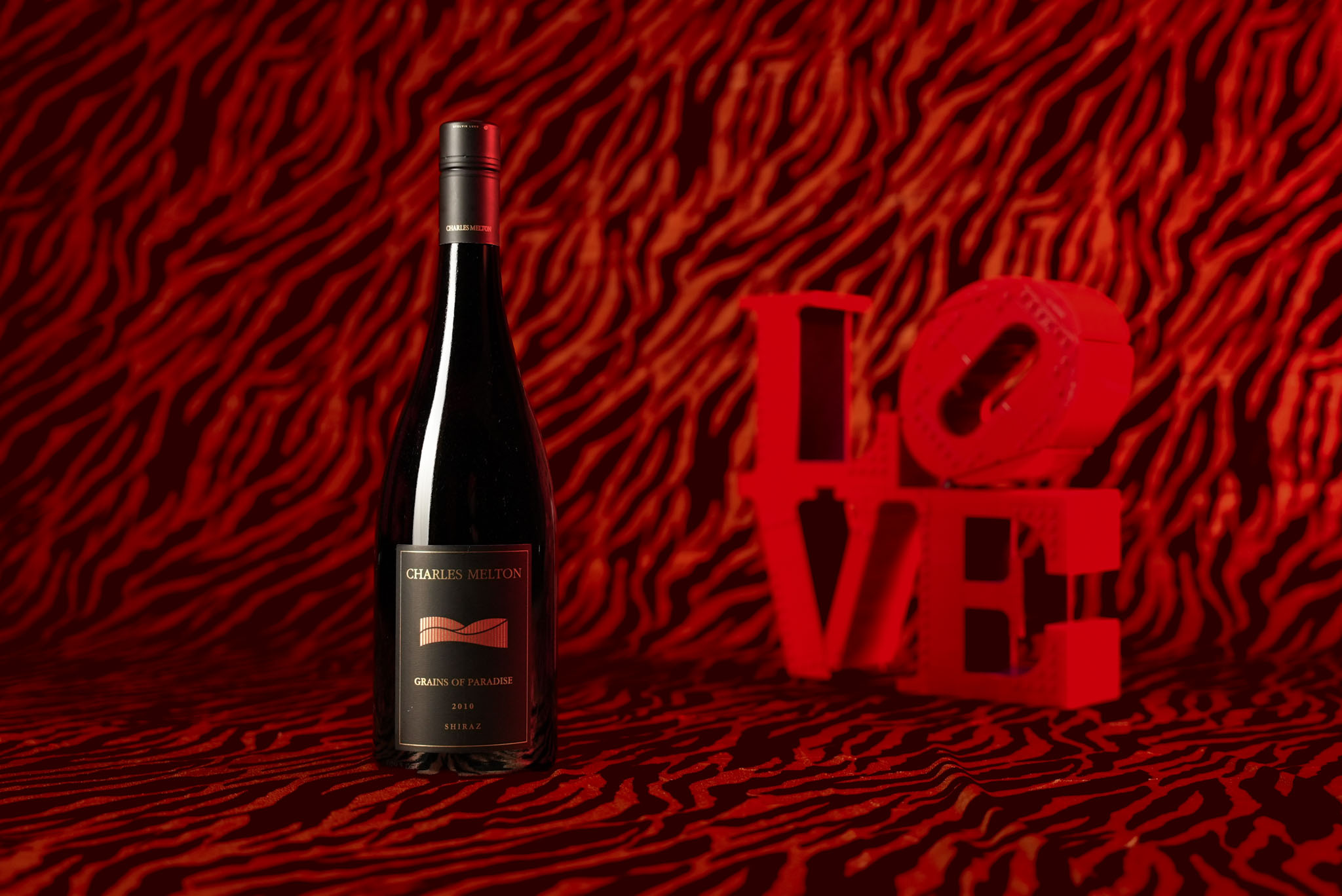
Charles Melton Wines -
Region
Barossa Valley
-
RRP
$216
-
Vintage
2010
-
Variety/Varieties
Shiraz (Syrah)
-
Alc./Vol.
14.5%
The Charles Melton label is perhaps best known for its ‘Nine Popes’ – the wine that not only created the GSM blend template within Australia, but also lead to a resurgence of interest in the previously maligned grenache variety. On the back of ‘Nine Popes’ and admiration from the influential American wine critic Robert M. Parker, Jr., the winery has become known as something of a ‘cult’ producer – and therefore unfairly tarred with the brush of producing big, boozy bruiser wines. But as this museum-release 2010 vintage shiraz – made well before the Parkerised ‘international style’ became uncool amongst Australia’s wine cognoscenti – shows, the Charles Melton label has always been one of power married with elegance, and their top-end reds only get better with age.
Tasting note
The nose here is more savoury than fruity – a dense, unfurling spectrum of smoky charcuterie meats (think bresaola, speck, and smoky bacon), mocha, freshly-roasted Ethiopian coffee, hot tarmac, and bitter cacao nibs. Underneath this savoury spectrum lurk rich, deep fruit flavours –ripe blackberries, unctuous black cherries, and blood plums – and a hint of dried fruits steeped in brandy, ready to be deployed in Christmas cake. Despite its relatively elevated ABV and its aromatic intensity, this isn’t a bruiser on the palate – the body is medium-weight, more sleek than the nose might indicate, and driven by a surprising amount of freshness and vitality. Shiraz’s tannic structure has been tamed by age here, polished to fineness without relinquishing all of its grip. A long and vibrant finish brings out some latent red fruit notes – think boysenberry and tart Morello cherry – and invites another sip. Let this one stretch its legs with a bit of oxygen – even after fifteen years, it’s only just started to hit its stride.
Themes of this wine
Shiraz/syrah
Shiraz dominates the Australian wine industry, accounting for nearly a third of this country’s vines. The grape’s traditional home is in France’s Northern Rhône, with wines that combine elegance and power, while Australia is perhaps best known for the muscular styles from warmer areas. Today, drinkers of Australian shiraz are spoilt for choice with expressions ranging from the elegant and spicy to the monumental.
Barossa Valley
The Barossa Valley (including its sibling region the Eden Valley) is arguably Australia’s most revered wine region. It dwarfs many other fine wine regions for scale, while firmly maintaining a quality profile, with its distinctive style and character recognised worldwide. It is dripping in history, has far and away the largest resource of old and ancient vines in the country, and fifth- and sixth-generation growers and makers proliferate. It is fair to call it the cornerstone of Australian wine. It is the home of powerful red wines, established names making established styles, but there are also makers finding new meaning in the territory.
‘Cult’ wines
It took the influential American wine critic Robert M. Parker, Jr. a little while to discover Australian wine, but in the late 1990s and early to mid-2000s he had a profound impact on the local industry. Small producers that made wines that appealed to Parker’s palate – rich reds that were big on ripe fruit character, with elevated alcohol levels and lashings of new oak flavour, often low in acidity and subtlety – suddenly found themselves minor celebrities in the United States, with bottles that had sold for less than $100 locally suddenly changing hands for over $1000 USD, leaving local wine industry doyennes wringing their hands about the potential bad influence of this American outsider. Now that the fad for Parker’s favoured ‘International Style’ wines has abated in favour of wines that show more finesse and elegance (not to mention better value for money), many of the producers swept up in the moment are dialling back their wines – and others who were lumped into the moment are seeking to show that they’ve always produced wines that couldn’t be reduced to “bigger is better” clichés.
GET FIRST ACCESS TO THE NEXT WINE ICONS – DELIVERED
Find out moreEach month, get 3 bottles of our freshest discoveries. We taste thousands to bring you the best.
Join us and support emerging winemakers, sustainable vineyards, and the development of young professionals.
— Max Allen, Wine Writer
— Broadsheet
— The Australian