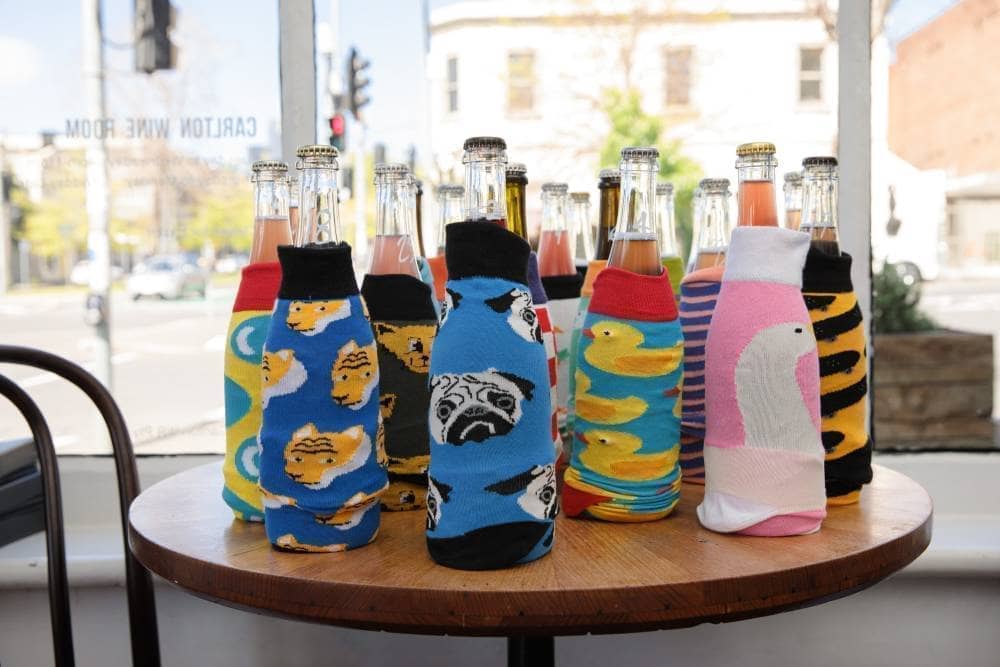
The 2023 Wineslinger Trophy Winners
The 2023 Wineslinger Awards – the sixth annual edition of the wine guru’s guide to the best haunts in Australia right now – have just been announced, with the winners crowned at a trophy presentation in Melbourne.
Winemaker Bridget Mac of Werkstatt, winner of the 2024 Young Gun of Wine Best New Act trophy, didn’t witness her disaster first-hand. “I got a phone call from another winemaker – he was really stressed,” she says. “He’s like, ‘Well, I’ve run the forklift into your tank and I’ve lost a lot of your wine’.” The impact was immediate: “Obviously this phone call came out of the blue – and, yeah, it was a really stressful moment for me. I had to just sit down,” Mac says. The other winemaker had been using the forklift to retrieve some equipment that he owned that was being stored at the co-operative winemaking facility that Mac uses to make the Werkstatt wines. “The winemaker, who is no longer part of the co-op, had been moving some things around in the winery to access his equipment,” Mac says. “He’d reversed the forklift into my tank, and the door gave way – 2,000 litres of pinot noir just rushed out. For him, it happened so quickly – but he was able to close the tank door and at least salvage about 500 litres of the wine.”


Losing wine at any stage of the process is hard for a winemaker, but in this case the hurt was compounded by the fact that the wine was essentially finished. “I had literally just transferred all the wine from barrel into that one tank, in preparation for filtration and bottling in a couple of days’ time, so really the timing was just kind of unbelievable,” Mac says. “You have these thoughts of nurturing this wine – you spend nine months looking after it and making sure nothing goes wrong. And at this stage of the process the only thing that can go wrong is kind of like what happened: a freak event.” While the winemaker immediately filed a claim, “We don’t yet know if his insurance will accept coverage,” Mac says – and it’s likewise equally unclear if the co-op’s insurance, which Mac helps to pay for through contract fees, will cover the situation. “It’s obviously also a shit time of year to make a claim,” she adds.
With legal liability for the accident yet to be determined, friends and supporters of Mac’s have started a GoFundMe campaign to help ease the financial impact. “We’ve tried to set it at $75K,” Mac says. “That would only really cover half of my potential $150K [loss] in this sort of situation. But, when you break it down, I’ve sunk $25K already into the wine – in handpicking, fruit costs, not including my own time into it. And then potential sales lost is about $100K.” She adds that there are further ancillary costs – for example, labels for the wine (most of which now can’t be used) had already been printed, the tank is her own and will need to be repaired or replaced. These are, obviously, crippling costs for an emerging winemaker to incur, and will delay Mac’s ambitions to expand production of her well-received Werkstatt wines – not to mention extending the timeline for her business to finally break even.
“You spend nine months looking after it and making sure nothing goes wrong. And at this stage of the process the only thing that can go wrong is kind of like what happened: a freak event.”
Mac has been able to salvage the small quantity of pinot noir that was left in the tank, which fortunately was not damaged by the experience, and has since bottled it. “It’s sitting there,” she says. “I really haven’t decided how I’m going to approach selling that – obviously, it’s a limited, very expensive product for me now. But I’ve had a lot of people recommend that I maybe sell it for a little bit more and maybe create a little bit of an event around it.” While she appreciates the sentiment, and is actively exploring ideas that might “turn it on its head not make it such a sad thing anymore, but something more celebratory”, she’s also somewhat conflicted about the idea of leveraging this disaster for commercial purposes. (“I’m staunchly un-capitalist in my approach to life and making wine,” she adds.) As such, in the event that Werkstatt does receive insurance payments or other settlements, Mac says she will donate any money in excess of her losses from the GoFundMe to Full Stop Australia, one of country’s leading sexual, domestic and family violence response and recovery services.
Mac is not the only maker or grower who has recently experienced this kind of unexpected disaster. Josephine Perry of Dormilona, winner of the 2016 Young Gun of Wine trophy, lost half of her Yungarra vineyard in the Margaret River last week when routine slashing in the vineyard caused a fire that quickly engulfed it. Perry stresses that the were no active fire warnings on the day and that the slashing was low-risk – but the fire nonetheless spread fast, and consumed the vineyard’s rows of cabernet, shiraz, and semillon. (Its blocks of chardonnay and chenin blanc were fortunately unscathed.) Likewise, Clare Burder of Eminence recently revealed in an Instagram post that she had lost 85% of the volume of what was supposed to be Eminence’s flagship wine – a 100% pinot meunier-based blanc de noirs sparkling from the 2019 vintage – when the bottles’ crown seals failed during the secondary fermentation process. Australian wine history is littered with similar catastrophes, whether those are on the micro level of an individual producer – such as when a forklift accident destroyed over $1 million worth of finished bottles of Mollydooker’s fêted ‘Velvet Glove’ Shiraz – or on a larger scale, such as the devastation caused to vineyards across the country by fire damage and smoke taint during the 2019–2020 bushfire season.
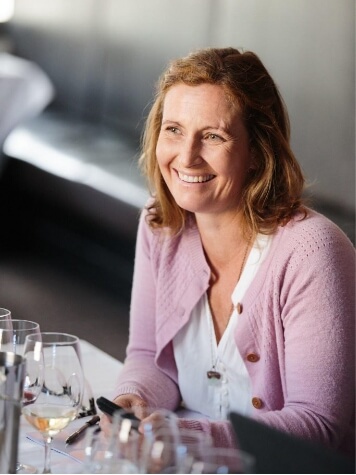

Bryan Martin of Ravensworth, who makes wines from both purchased fruit and fruit he grows himself, is no stranger to such catastrophes. A severe frost meant that he had no fruit from his own estate vineyard for the 2024 vintage, and smoke taint from the 2019–2020 bushfires meant that he couldn’t make any wines from the Canberra region at all: “We had fires all around us for almost ten weeks,” he says. “And Canberra’s a valley, so we were just covered in smoke the whole time.” His solution to the smoke-taint problem was innovative: with the assistance of a network of friends (including Perry), he sourced fruit from Western Australia and Tasmania and – in spite of the logistical challenges posed by the COVID lockdowns that came hot on the heels of the bushfires – made a range of wines titled ‘The Long Way Around’. “Financially it was crazy, because we didn’t really make any money out of it,” he says. “But it meant we had something to do, and had story to tell, and it did wonders for the brand.” He also collaborated with Sydney craft beer brewer Topher Boehm of Wildflower to release a collaborative range of wild ales fermented with Ravensworth’s smoke-tainted fruit called ‘Bright Side’. “It reached the covers of the newspapers when we released it, because it was a good news story,” Martin says. “We just sort of just went for it, and on spec made this smoky beer – but it just worked, it captured people’s attention, we did this big tour and sold it all very quickly.”
While neither the ‘Long Way Around’ wines nor the beer were very profitable, they performed a valuable role for Ravensworth. “I still get asked about it even now,” Martin says. “I go out and do tastings and get asked about those wines we made, the beer we made. Otherwise, there’s no story there at all – it’s just like, ‘Oh, no, I didn’t make anything. It’s gone’.” For Martin, it was a lesson in the importance of being proactive in the face of disaster: “You can’t find those things to do every time you have a disaster, obviously,” he says. “But if you don’t do anything, you’re sort of going backwards, in a way.” The experience of this exceptional catastrophe also went on to inform how Ravensworth deals with the everyday issues of Canberra’s climate, and the impact that this can have on the label’s wine supplies. “Looking at the Canberra district, there’s a weather pattern – there’s a ten-year pattern where there’s La Niña around, it’s wet and cold, then it will go to benign years where its neither wet nor cold, then you go to some really hot years,” Martin says. Thus, for the good vintages, he leans into production volumes: “You sort of try to make the most of it, because you know what’s coming up in the next few [years] is the really dry, hot, extreme summers going up into the mid-forties.” In so doing, he’s building a stockpile of wines to make available when production is leaner: “We’re trying to put aside pallets of wine rather than just maybe a dozen cases,” he says. “So that next time we have a really bad sort of couple of years – I think 2028, 2029, 2030 is where it’s all going to go pretty bad – we’ll have wine banked up that we can actually pull out and sell as cellared wine, and try and get around the ebbs and flows.” He likewise also ensures that he has stocks of small-batch, experimental wines in waiting that he can release in the place of core-range wines, such as the 2024 estate range, when those cannot be made.
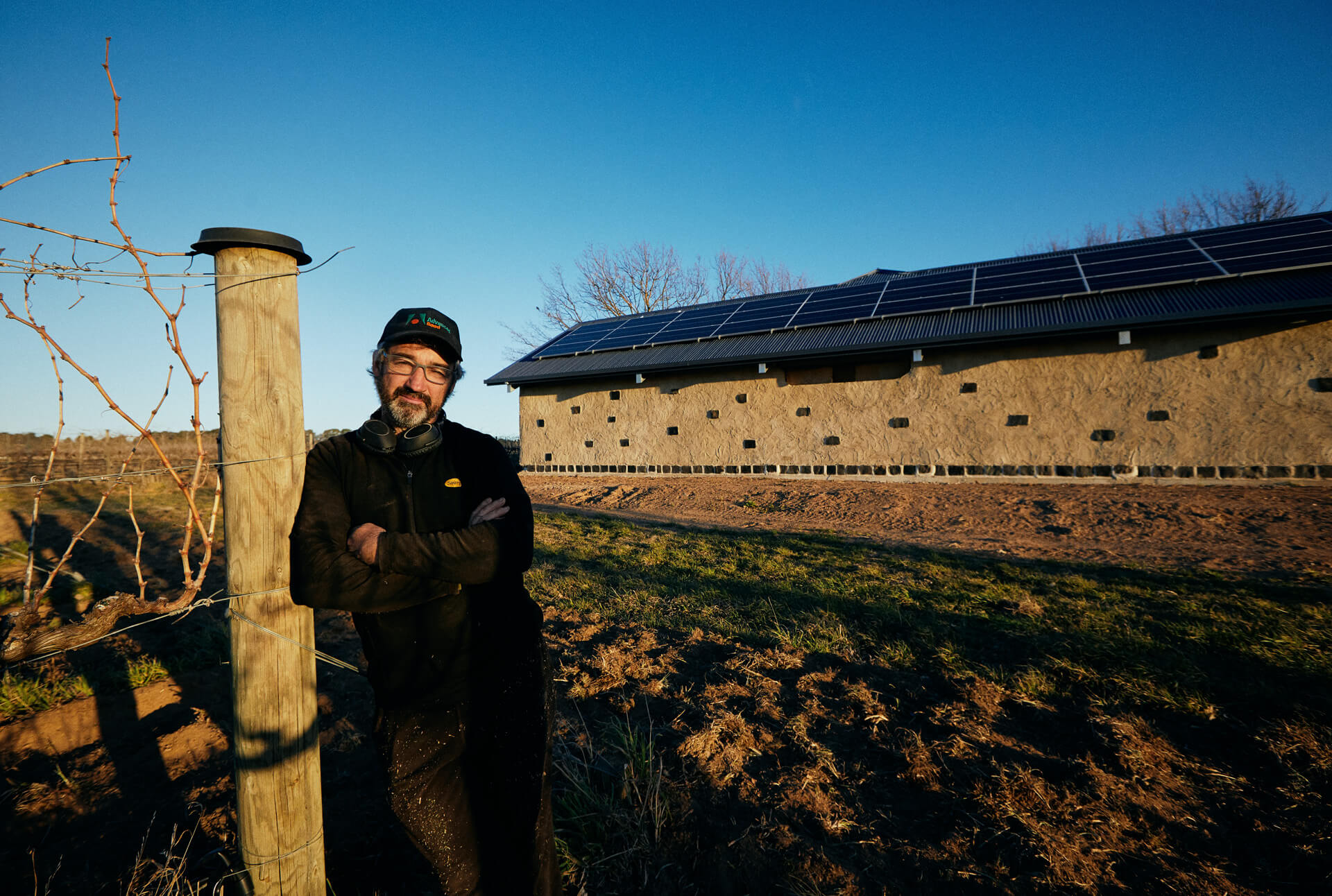
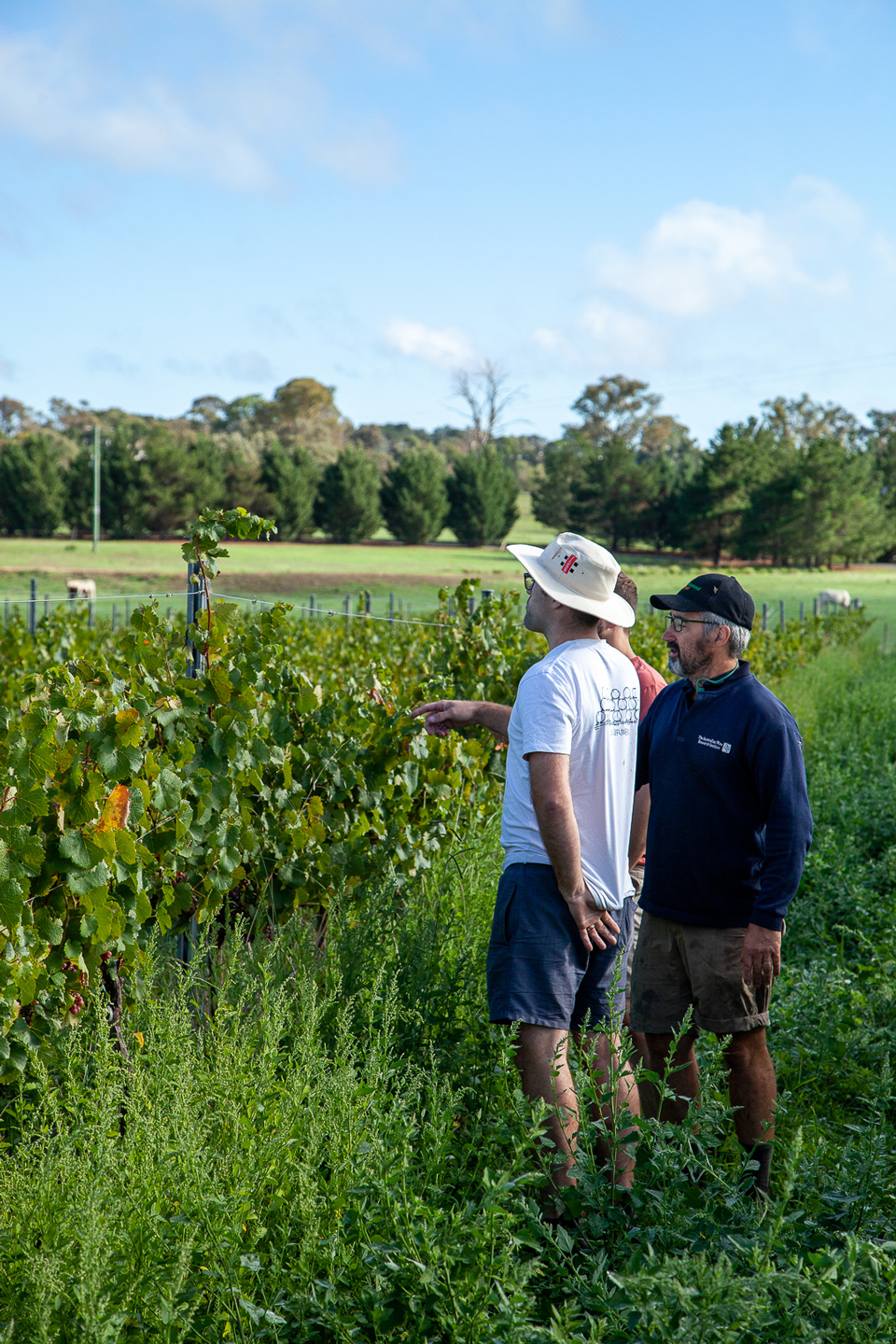
Martin is keenly aware that not every winemaker has the luxury of doubling down on production volumes and keeping wine in storage to ride out the vagaries of vintage variation or other strokes of bad luck. “The market’s quite a hard market, so you always feel like it’s best to sort of make less wine,” he says. “But the problem you have is, if you do that in the wrong year, the next year it could be a really bad year – and all of a sudden you’ve got no wine.” He acknowledges that building the business to the point that it has that capacity has been a long, hard slog: “It’s taken us twenty years to get to that point where we’ve got the money to actually put into proper storage,” he says. “It’s really hard as a younger business to, first of all, put the vineyard in, and then build the winery and all the equipment that goes in the winery, and then storage – we’ve been doing this as we go, and it’s taken twenty-five years to get to this point.” He adds that he’s been fortunate in other ways, too: “My wife has always had a proper job, like a really good job,” he chuckles. “So I’ve been able to play in the sand with my toys a bit.”
“At that time when you really need it, and you almost feel you’re going to give up, you find that the industry shows itself. The real positive side of it is that people do stand up and help you get through it.”
For both Martin and Mac, one upshot of these catastrophes and setbacks is that they demonstrate just how supportive and close-knit the Australian wine community can be: “The industry does seem to come and help at those times – I think that it’s an industry that does care,” Martin says. “That’s what we found in 2020, when we lost the fruit over here – I was talking to a friend over in WA, Jo Perry, and she was the one that said, ‘Oh, look, I’ll find some fruit for you over here’.” (Martin has, naturally, reciprocated that offer to Perry in the wake of her vineyard fire.) He adds, “So at that time when you really need it, and you almost feel you’re going to give up, you find that the industry shows itself. The real positive side of it is that people do stand up and help you get through it.” It’s a sentiment that Mac echoes: “The industry is just so supportive,” she says. “It’s so small, and people know how how hard it can be, how expensive it is to make wine – and they’re just so willing to support and help one another.”
A GoFundMe campaign has been set up to help Mac recover financially from the impact of the incident. Alternatively, purchases of Mac’s other wines from the Werkstatt webstore will also help to keep her business running and viable – likewise, purchasing wines from the Dormilona webstore and the Eminence webstore will help keep Perry and Burder in business.
GET FIRST ACCESS TO THE NEXT WINE ICONS – DELIVERED
Find out moreEach month, get 3 bottles of our freshest discoveries. We taste thousands to bring you the best.
Join us and support emerging winemakers, sustainable vineyards, and the development of young professionals.

The 2023 Wineslinger Awards – the sixth annual edition of the wine guru’s guide to the best haunts in Australia right now – have just been announced, with the winners crowned at a trophy presentation in Melbourne.

In the words of one female punter, “Wine on tap sounds gross.” This tune may ring true with you too. However, there’s now a maverick wine bar in town pouring damn good wine on tap. Opened in December 2013, Harry & Frankie (they’re a bottle shop too) located in Bay Street, Port Melbourne, is the…
Registrations for the 17th Annual Young Gun of Wine Awards are now open (closing December). Ryan Ponsford of Entropy Wines will join the YGOW tasting panel in 2023. He knows what winemakers are going through.
The Next Wine Icons – Delivered
Each month, get 3 bottles of fresh discoveries.
We taste thousands to bring you the best.
Please sign in or create account as candidate to bookmark this job
Please sign in or create account to save this search

Please sign in or create account as candidate to create a resume