Lake Moodemere Vineyard, Rutherglen Joel Chambers

Read more
  • Lake Moodemere Vineyard, Rutherglen

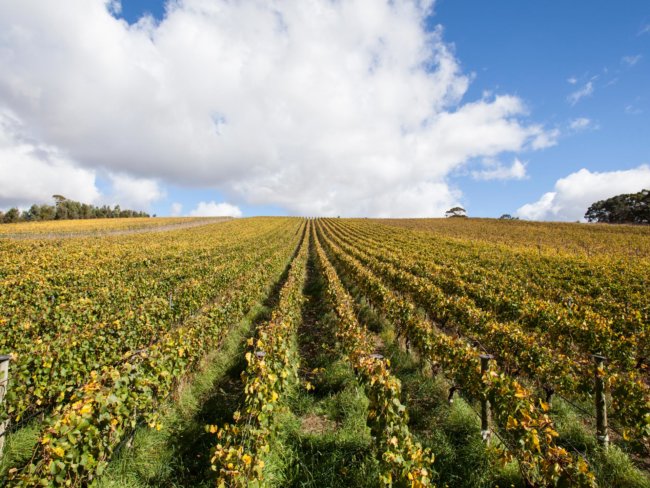
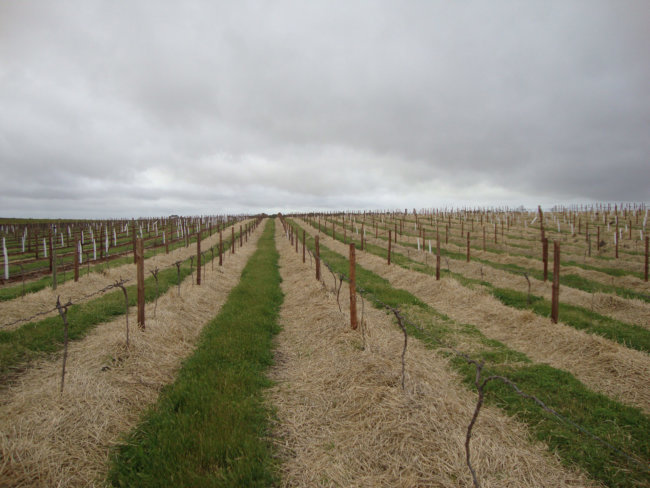
    Lake Moodemere Estate is planted to red soils on an ancient riverbed of the Murray in Victoria’s historic Rutherglen region. The site has been in the Chambers family for five generations, with the first vines planted in the 1800s – though they did not see the next century due to phylloxera. A long history of focusing on sustainability has been enhanced as the years go by, with a symbiotic relationship with their mixed farming and vineyard operations of mutual benefit. The property abuts the Moodemere Reserve, with dense bushland providing a rich habitat for beneficial insects and native wildlife, which in league with their sustainable practices (including cover crops that were first implemented in the 1970s) eliminated insecticide use 40 years ago. The fruit goes to making estate wines – sparkling, table and fortified – which are made onsite and served in their lakeside restaurant, which is supplied by their farm, using everything from wheat to lamb, vegetables, fruit and honey. Joel Chambers is the vineyard manager.

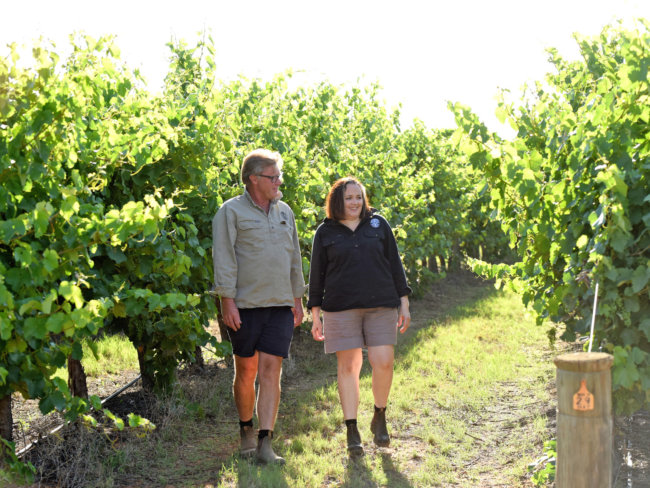
  • Cobaw Ridge, Macedon Ranges

    Perched high in the granitic cool of Victoria’s Macedon Ranges, Cobaw Ridge is a certified biodynamic vineyard specialising in varietal bottlings of chardonnay, pinot noir, syrah and lagrein, as well as a syrah rosé that is often touted as one of the best in the land. Alan Cooper has always farmed sympathetically, but it is since the conversion to organics, then biodynamics that he believes the vine resilience, fruit quality, depth of flavour and expression of site has dramatically improved.

  • Starrs Reach, Riverland

    The Riverland has long been the bulk wine heart of South Australia, with growers churning out cheap fruit pumped up with irrigation. And while the region will likely always serve this function, the script is being rewritten by players like Starrs Reach, who both sell premium fruit and make wine under their own label. Sheridan Alm runs the operation with a focus on minimal inputs, sustainability and restoring non-vineyard land, including Mallee scrub, wetlands and floodplains. With grenache and mataro core varieties, Alm is intent on proving that the Riverland can focus on quality on a large scale, growing grapes that suit modern wine styles that focus on bright fruit flavours and freshness.

  • Orbis Vineyard, McLaren Vale

    The Orbis wine label was founded by Brad Moyes and Kendall Grey in 2018 when they purchased an established vineyard in McLaren Vale. The Orbis name references the idea of a self-sufficient system, and the pair anchor everything they do in sustainability, from farming to bottling. Mowing between the rows is largely performed by a flock of babydoll sheep that have been given permanent residence between the vines, with chickens and ducks to join them once a fox-proof fence trial is completed. The fruit goes to the Orbis wines made by Verity and Jamie Cowley at the onsite winery, from a pétillant rosé and a piquette to trousseau and an old vine shiraz, with a pair of rosés and a few Mediterranean varietal wines and non-traditional blends filling out the roster. Contract grapes are also sold to make premium products for Ministry of Clouds and Samson Tall, alongside more established brands such as Penfolds and Wirra Wirra. The vineyard is managed regeneratively by Verity Cowley and owner Brad Moyes, with viticultural guidance by GT Growers, and the aim to achieve organic and biodynamic certification within the next three years.

  • Oliver’s Taranga, McLaren Vale

    Oliver’s Taranga Vineyard in McLaren Vale has long been one of the most important sources of high-quality grapes for some of South Australia’s most revered makers, with their own name added to that roster when they started making wine under sixth-generation steward Corinna Wright in 1994. Her uncle Don Oliver takes charge of the 85-hectare vineyard, with a keen focus on sustainability and an unwavering dedication to producing A-grade fruit, which ensures their grapes end up in some of this country’s most vaunted bottlings. Along with regional stalwarts shiraz, grenache and cabernet, the family have invested significantly in Italian and Spanish grape varieties that suit their warm maritime site.

  • Ngeringa – Summit Vineyard, Adelaide Hills

    Erinn Klein and his wife, Janet, planted the Summit Vineyard at a density of 6,600 vines per hectare on his family’s property in 2001–02. Aside from being a site of excellent potential, biodynamic farming principles had been in place for over a decade, with certification coming in 1993. That property houses the herb farm at the core of the family’s Jurlique skin-care brand, providing botanicals for their products. The approach that underscores the herb farm was always going to be central to the Kleins’ vision, who run the Ngeringa brand together from the ground up, making wine on site as well as running livestock, growing vegetables and tirelessly revegetating the native environment. From the 2-hectare Summit vineyard, Ngeringa make their premium pinot noir and chardonnay, and fruit from this site also goes into the broader estate syrah and a pet-nat.

  • Mérite, Wrattonbully

    Mike Kloak and Colleen Miller’s Mérite label was founded after the considerable success they had growing contract fruit on their vineyard in Wrattonbully. In particular, it was their acheivements with merlot that inspired them to make their own wine. That grape has had a chequered history in this country, but the wines under their label are shifting the conversation, with a quartet of new clones producing complex, flavourful wines at relatively low alcohol levels, rather than the bruising wines that we have become used to. Kloak runs his vineayrd with respect to the natural environment, planting vines around trees rather than removing them and encouraging biodiversity of flora, fauna and beneficial insects.

  • Markaranka, Riverland

    The Markaranka Vineyard is at the heart of Treasury Wine Estate’s fortified wine program – making the company’s most iconic fortifieds, such as Penfolds’ ‘Father’, ‘Grandfather’ and ‘Great-Grandfather’ tawnies, as well Saltram’s ‘Mr Pickwick’. In South Australia’s Riverland, the vineyard is a large one at over 170 hectares, but it is managed by Brendan Turner with sustainability at its core, with an ongoing quest to reduce all inputs while producing super-premium fruit for flagship fortified wines.

Markaranka, Riverland

The Next Wine Icons – Delivered

Each month, get 3 bottles of fresh discoveries.
We taste thousands to bring you the best.

Bookmark this job

Please sign in or create account as candidate to bookmark this job

Save this search

Please sign in or create account to save this search

create resume

Create Resume

Please sign in or create account as candidate to create a resume