Gembrook Hill Andrew Marks

Read more
  • Gembrook Hill

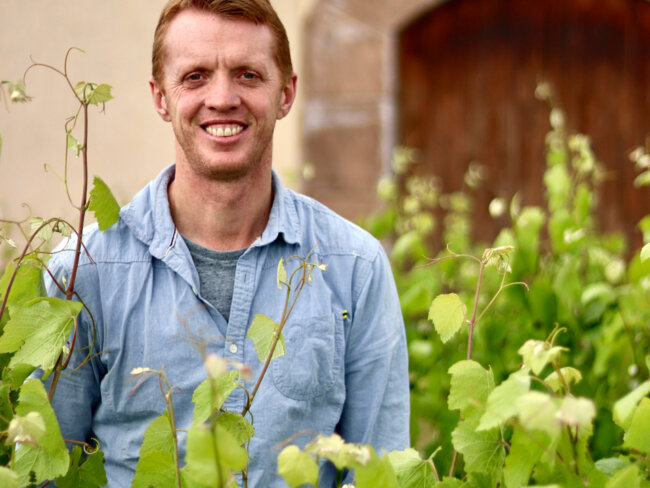
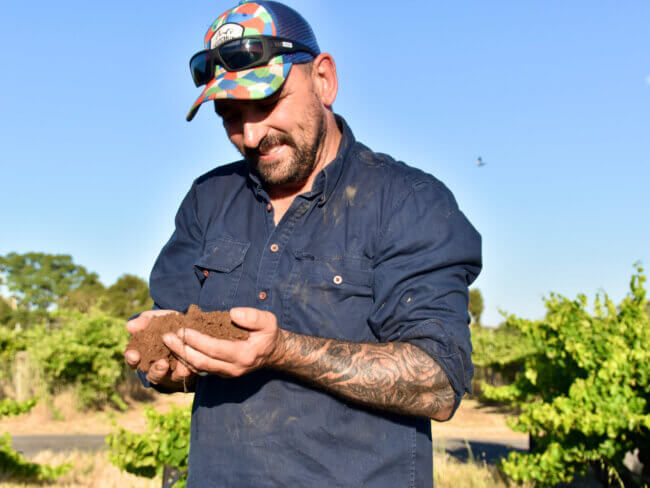
    Sitting in a natural amphitheatre, the Gembrook Hill Vineyard on the fringe of the Upper Yarra was first planted in 1983 by Ian and June Marks. The oldest vines are now 42 years old, with an average vine age across the 5-hectare property of 34 years. It’s a cool site – the southernmost vineyard in the Yarra Valley – and one that is responsible for arguably the Yarra’s most distinctive pinot noir, along with what many regard as the country’s best sauvignon blanc; the chardonnay and Blanc de Blancs sparkling are equally acclaimed. While he has worked around the world and steers his own The Wanderer label, Andrew Marks – Ian and June’s son – has always also worked on home soil, with him now managing everything from soil to bottle.
  • Bannockburn – Winery Vineyard

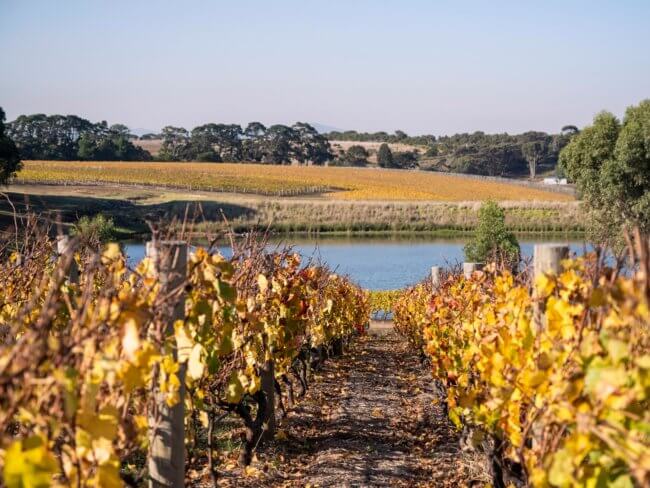
    In the Moorabool subregion, Geelong’s Bannockburn is one of the most celebrated names in Australian wine, being an early adopter of a very Burgundian approach to chardonnay and pinot noir in this country, while remaining ever progressive both in the vineyard and winery. Much credit has always gone to the winemaking stewards, but the meticulous site selection and overarching philosophy of founder Stuart Hooper and the near four-decade long stewardship of vineyard manager Lucas Grigsby have been just as influential. Today, premium chardonnay, pinot noir, shiraz, riesling and sauvignon blanc define this estate, with an emphasis on savoury, mineral and complex wines that seek to reflect the volcanic soils and cool, windswept conditions.

  • Turkey Flat Vineyard, Barossa Valley

    The Turkey Flat Vineyard has been farmed by the Schulz family since 1865, though the oldest plantings precede their tenure. First planted in 1847, the site has some of this country’s most ancient vines, but they were almost lost in 1987 under the notorious ‘vine pull scheme’. Thankfully, the decision was made to start producing wine rather than just selling fruit, with the Turkey Flat brand born and the first commercial vintage coming in 1990. That decision revived their fortunes, and it also helped buoy the image of Barossa wines. Today, the Schulz family continue their stewardship with a focus on reinvigorating the old vines and establishing new ones from the ancient material. The site is farmed by Mark Przibilla with a sustainable mindset, building biodiversity and rising to the challenges of climate change.

  • Tscharke – Gnadenfrei North Vineyard, Barossa Valley

    Damien Tscharke takes sustainability and transparency very seriously, with his vineyards and winery being certified both organic and biodynamic – a rarity in the Barossa. Solar power meets the energy needs, and only rainwater and recycled wastewater is employed in the winery and for irrigation, while all compost and biodynamic preparations are made inhouse as they work towards a closed loop farming operation. The motivation for this approach is centred around larger environmental goals as much as it is around making better and more expressive wine. Tscharke’s Gnadenfrei North Vineyard is a young one, first planted in 2017, and it is dedicated to the classic red varieties of the region and a handful of white Rhône varieties. It’s a suite of grapes that through the genetic adaption of old Barossa vine material and carefully selected climate-apt emerging varieties, Tscharke believes will be making balanced expressive wines for generations to come. The site currently yields an ultra-premium grenache blanc, a single-vineyard shiraz and a grenache rosé.

  • Artwine – Springfarm Vineyard, Clare Valley

    Artwine’s Springfarm Vineyard in the Clare Valley is home to eight different varieties, with a distinct lean to emerging ones that have been chosen for their suitability to the changing climate. Owned for over two decades by Glen and Judy Kelly, the site complements their cooler Adelaide Hills vineyard, where their cellar door is situated. The Clare site contributes traditional varieties like grenache to the range, along with Mediterranean ones, like fiano, tempranillo, graciano and sangiovese, with new plantings yet to come online.

  • Pewsey Vale Vineyard, Eden Valley

    Owned by Yalumba’s Hill-Smith family, the Pewsey Vale Vineyard is arguably Australia’s most famous riesling site. At meaningful elevation in the High Eden, its sweeping contour-planted vines are instantly recognisable from the iconic image that adorns the labels on the suite of wines, from the standard bearer to the aged release of ‘The Contours’ and a naturally fermented wine from the 1961 vines. Brooke Howell has been nurturing the vines at Pewsey Vale since 2010, with the old Contours Bock certified organic and the whole property managed with a sustainable mindset.

  • Paeroa Vineyard, McLaren Vale

    Matthew Brown’s Paeroa Vineyard supplies fruit for his range of Dr Plonk and Fu Manchu wines as well as other makers with varieties both traditional and emerging. Tannat and montepulciano have joined stalwart red varieties, and have proven to thrive in the Mediterranean climate of McLaren Vale. His approach is built around organic practices and a regenerative mindset, with input from Richard Leask as a consultant viticulturist. The sustainable practices extend from increasing soil health and organic matter to reducing fossil fuel usage through solar power and reduced tractor passes, while weeds are removed and grasses kept down through both sheep grazing and manual slashing and cultivation. Brown has also taken the supply of grapes to small makers a step further by making winery space available to pursue their own interpretation of Paeroa fruit, which he grows to their individual specifications.

  • MMAD Vineyard

    The MMAD vineyard is a side project for the team behind Shaw + Smith and Tolpuddle, though it’s a significant side project at that, with nearly 20 hectares of vines in the Maslin sands of McLaren Vale’s Blewitt Springs and vines dating back to the 1930s. It’s a site that’s already seen a trio of celebrated premium releases – chenin blanc, grenache and shiraz – from the 2021 vintage, the same year the vineyard was acquired. And while the MMAD label has been swiftly accepted as though it has been around for a decade, vineyard manager Ben Jonas is taking a long-term view on continually enhancing the health of those heritage vines and planning for an even brighter future through a sustainable approach with organic certification on the horizon.

MMAD Vineyard

The Next Wine Icons – Delivered

Each month, get 3 bottles of fresh discoveries.
We taste thousands to bring you the best.

Bookmark this job

Please sign in or create account as candidate to bookmark this job

Save this search

Please sign in or create account to save this search

create resume

Create Resume

Please sign in or create account as candidate to create a resume