Orbis Vineyard, McLaren Vale Verity Cowley & Brad Moyes

Read more
  • Orbis Vineyard, McLaren Vale

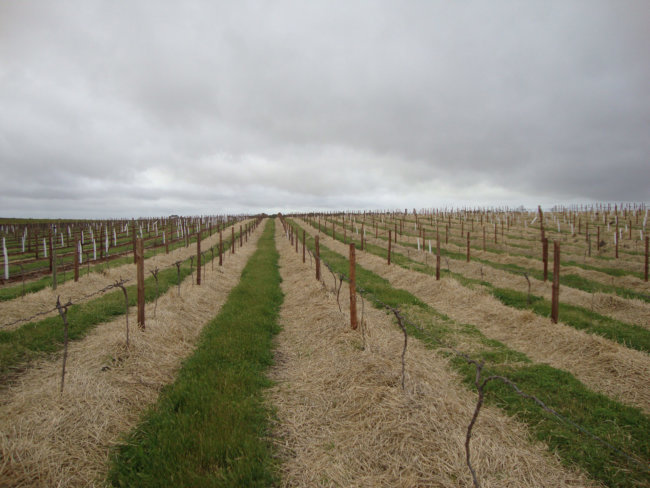
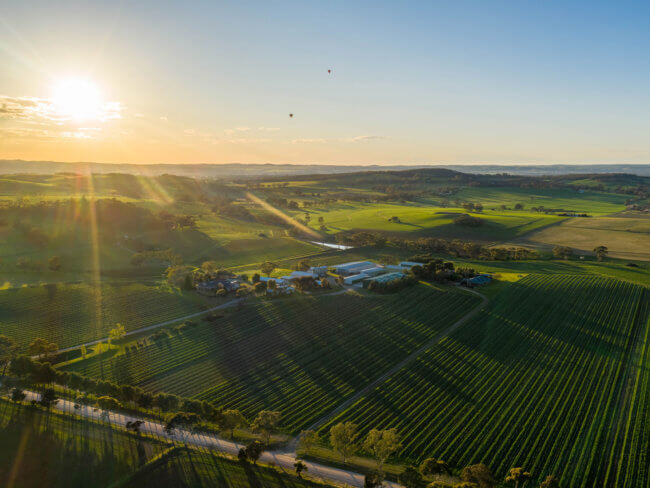
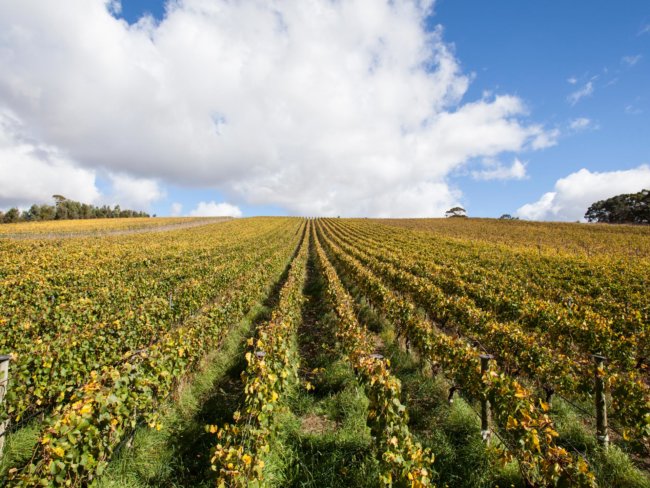
    The Orbis wine label was founded by Brad Moyes and Kendall Grey in 2018 when they purchased an established vineyard in McLaren Vale. The Orbis name references the idea of a self-sufficient system, and the pair anchor everything they do in sustainability, from farming to bottling. Mowing between the rows is largely performed by a flock of babydoll sheep that have been given permanent residence between the vines, with chickens and ducks to join them once a fox-proof fence trial is completed. The fruit goes to the Orbis wines made by Verity and Jamie Cowley at the onsite winery, from a pétillant rosé and a piquette to trousseau and an old vine shiraz, with a pair of rosés and a few Mediterranean varietal wines and non-traditional blends filling out the roster. Contract grapes are also sold to make premium products for Ministry of Clouds and Samson Tall, alongside more established brands such as Penfolds and Wirra Wirra. The vineyard is managed regeneratively by Verity Cowley and owner Brad Moyes, with viticultural guidance by GT Growers, and the aim to achieve organic and biodynamic certification within the next three years.

  • Oliver’s Taranga, McLaren Vale

    Oliver’s Taranga Vineyard in McLaren Vale has long been one of the most important sources of high-quality grapes for some of South Australia’s most revered makers, with their own name added to that roster when they started making wine under sixth-generation steward Corinna Wright in 1994. Her uncle Don Oliver takes charge of the 85-hectare vineyard, with a keen focus on sustainability and an unwavering dedication to producing A-grade fruit, which ensures their grapes end up in some of this country’s most vaunted bottlings. Along with regional stalwarts shiraz, grenache and cabernet, the family have invested significantly in Italian and Spanish grape varieties that suit their warm maritime site.

  • Ngeringa – Summit Vineyard, Adelaide Hills

    Erinn Klein and his wife, Janet, planted the Summit Vineyard at a density of 6,600 vines per hectare on his family’s property in 2001–02. Aside from being a site of excellent potential, biodynamic farming principles had been in place for over a decade, with certification coming in 1993. That property houses the herb farm at the core of the family’s Jurlique skin-care brand, providing botanicals for their products. The approach that underscores the herb farm was always going to be central to the Kleins’ vision, who run the Ngeringa brand together from the ground up, making wine on site as well as running livestock, growing vegetables and tirelessly revegetating the native environment. From the 2-hectare Summit vineyard, Ngeringa make their premium pinot noir and chardonnay, and fruit from this site also goes into the broader estate syrah and a pet-nat.

  • Mérite, Wrattonbully

    Mike Kloak and Colleen Miller’s Mérite label was founded after the considerable success they had growing contract fruit on their vineyard in Wrattonbully. In particular, it was their acheivements with merlot that inspired them to make their own wine. That grape has had a chequered history in this country, but the wines under their label are shifting the conversation, with a quartet of new clones producing complex, flavourful wines at relatively low alcohol levels, rather than the bruising wines that we have become used to. Kloak runs his vineayrd with respect to the natural environment, planting vines around trees rather than removing them and encouraging biodiversity of flora, fauna and beneficial insects.

  • Markaranka, Riverland

    The Markaranka Vineyard is at the heart of Treasury Wine Estate’s fortified wine program – making the company’s most iconic fortifieds, such as Penfolds’ ‘Father’, ‘Grandfather’ and ‘Great-Grandfather’ tawnies, as well Saltram’s ‘Mr Pickwick’. In South Australia’s Riverland, the vineyard is a large one at over 170 hectares, but it is managed by Brendan Turner with sustainability at its core, with an ongoing quest to reduce all inputs while producing super-premium fruit for flagship fortified wines.

  • Lacey Vineyards – Branson Road, McLaren Vale

    Ben Lacey’s Branson Road Vineyard in the McLaren Vale subregion of Tatachilla supplies fruit to makers both big and small, from Treasury Wine Estates to new stars like Bondar and Sherrah. With just under 14 hectares of vines, Lacey grows four varieties – shiraz, cabernet sauvignon, fiano and grenache – across four distinct geologies and a range of soil types, with sea breezes (the vineyard is 3km from the ocean) cooling the site in the afternoons. With a focus on soil health and revegetating non-vineyard land, the vineyard has gone from growing average fruit to achieving consistently premium results across the blocks.

  • Kalleske Farm Vineyard, Barossa Valley

    Kym Kalleske is the current custodian of the vines on his family’s near 170-year-old Barossa property. With the oldest vines some 147 years old, the vineyard has been biodynamically certified for over two decades, with the celebrated eponymous wine label – from classic Moppa Shiraz and Clarry’s GSM to the vibrantly fresh Parallax and Zeitgeist wines and up to the flagship Johann Georg Shiraz – just on 20 years old this year. Kym works with his parents and two brothers to ensure a rich family legacy will stretch long into the future through a focus on sustainability and regenerative agriculture.

  • Inkwell Vineyard, McLaren Vale

    In McLaren Vale’s Tatachilla subregion, Dudley Brown and Irina Santiago-Brown’s Inkwell Vineyard is a model vineyard operation with sustainability as a driving principal. Certified organic since 2017, the vineyard has been managed with strict organics since 2008. Furthermore, in 2023 they achieved ‘Regenerative’ certification (ROC) – one of the first 15 vineyards in the world, and the first in Australia to do so. From an existing young vineyard planted solely to shiraz, the varietal mix has been tweaked since 2011 to include climate-apt grapes like primitivo, grillo and arinto, while the viticulture has been continually tweaked to improve soil health and reduce water usage. The property also houses an off-grid luxury hotel and significant biodiversity corridors. All wines are made onsite and range from varietal expressions of regional hero varieties to orange wines and preservative-free offerings.

Inkwell Vineyard, McLaren Vale

The Next Wine Icons – Delivered

Each month, get 3 bottles of fresh discoveries.
We taste thousands to bring you the best.

Bookmark this job

Please sign in or create account as candidate to bookmark this job

Save this search

Please sign in or create account to save this search

create resume

Create Resume

Please sign in or create account as candidate to create a resume