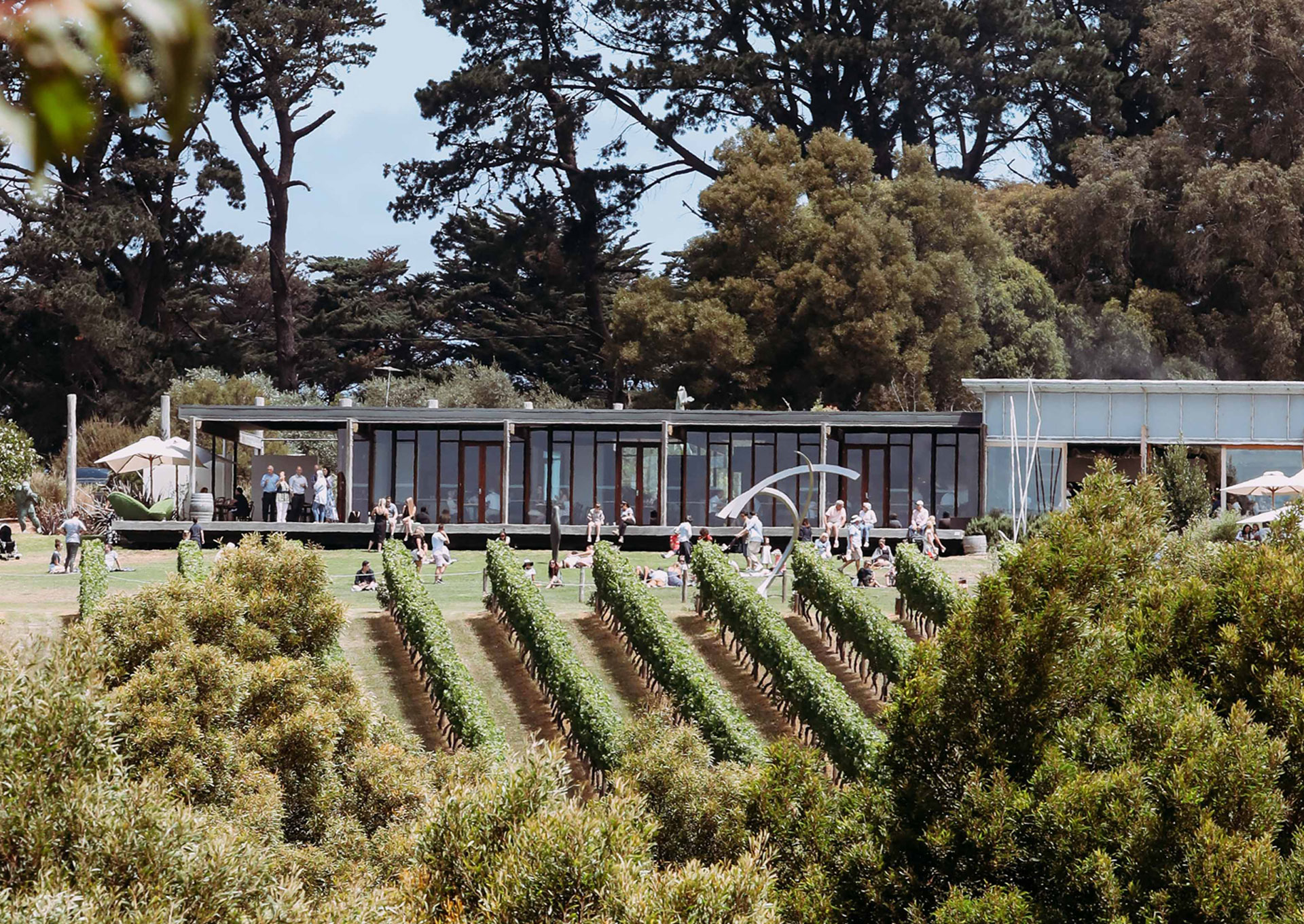
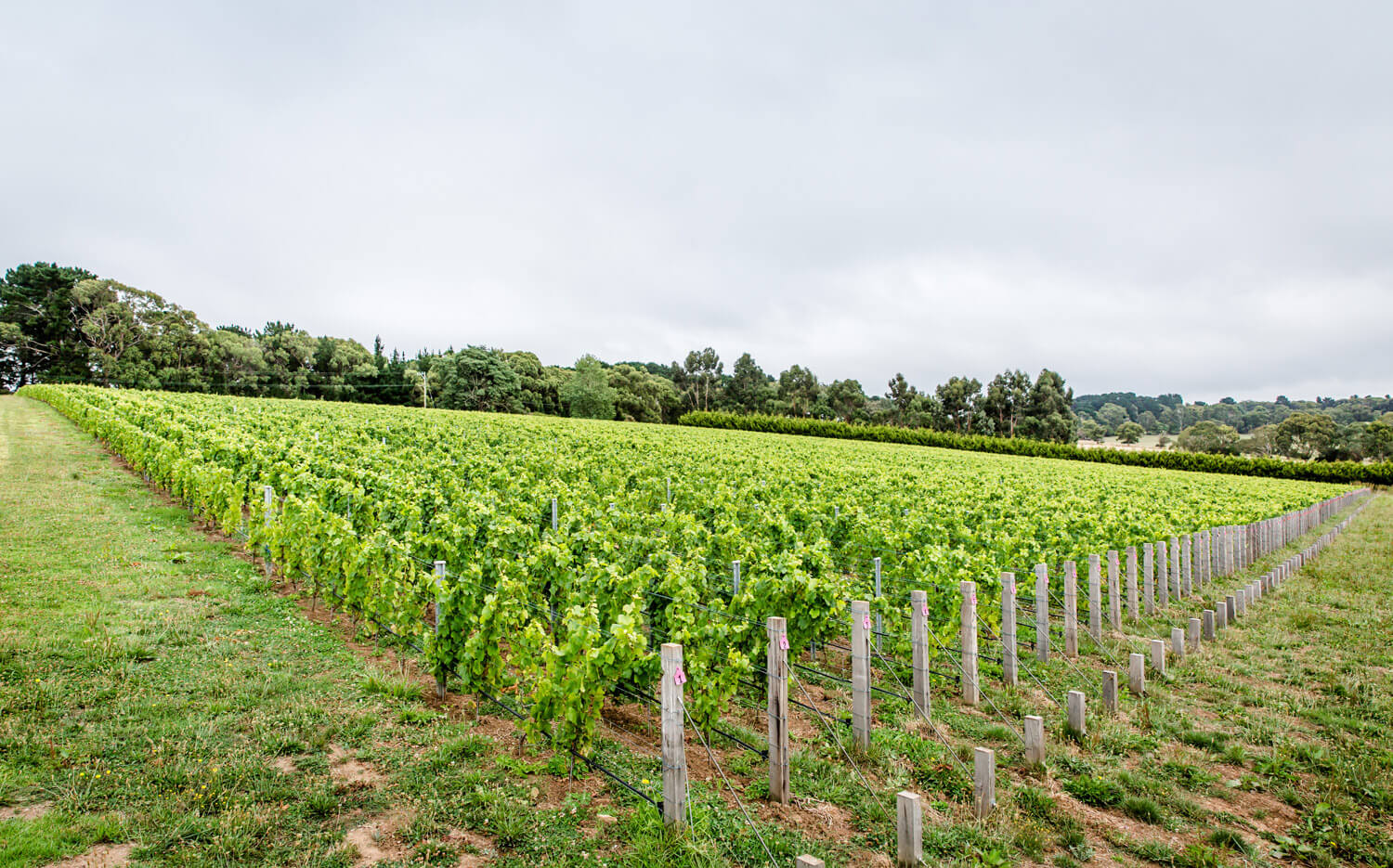
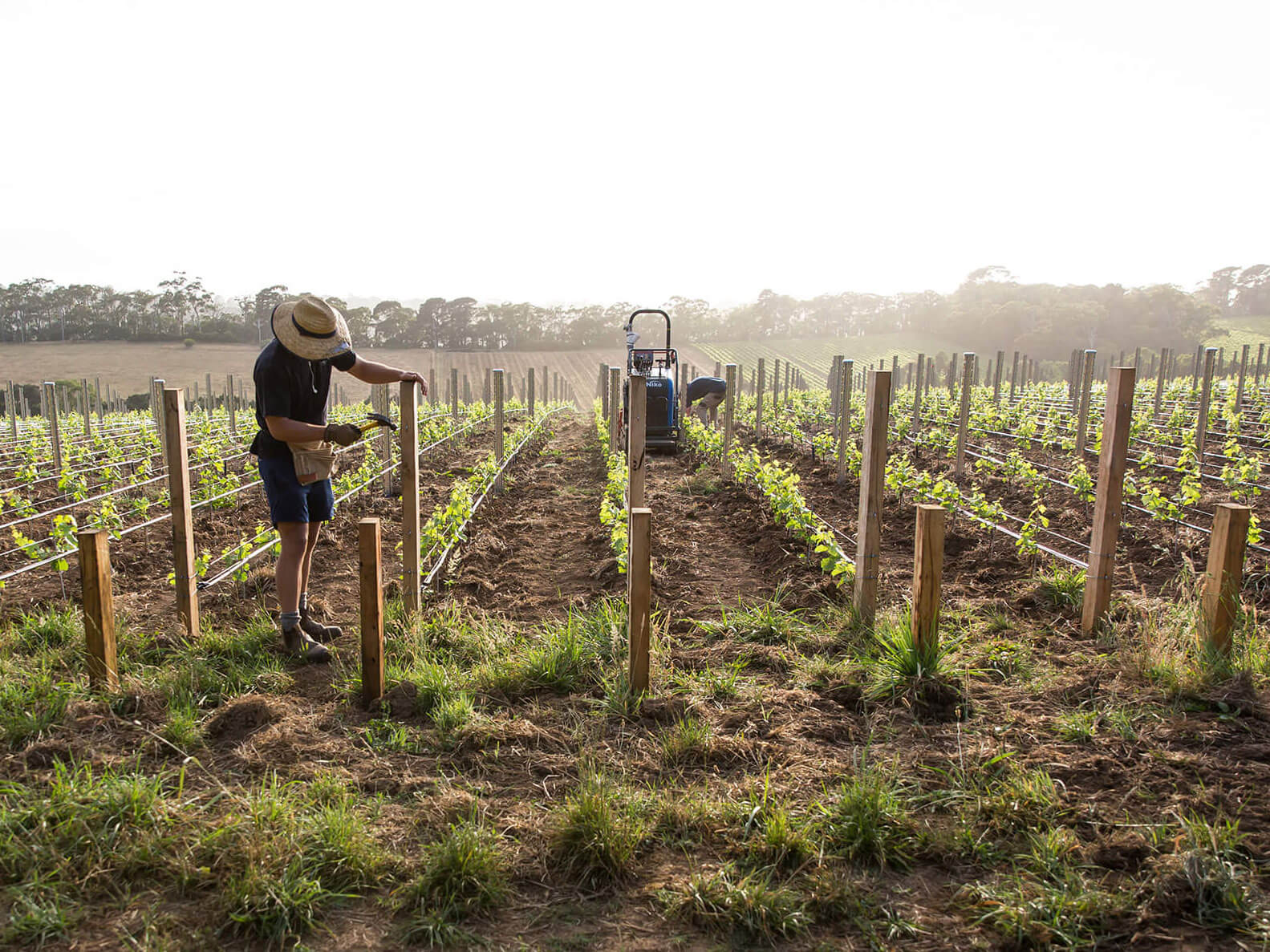
Mornington Peninsula is one of the ‘dress circle’ wine regions surrounding Melbourne, and it arguably has the best view – whether casting one’s eye back down the bay along the beachside suburbs to Melbourne and across to the Bellarine, or over the east side into Western Port Bay and to French Island, or more wildly out onto the Southern Ocean. That rich environment makes for many pleasure-seeking activities on the peninsula, and a good deal of fancy second homes, too. All of this gives the wine region a dose of glamour that is enhanced by some of Victoria’s best restaurants and cellar doors. And while they could coast along on this beachside conviviality, Mornington Peninsula’s winemakers have instead been cutting a very serious path, with quality and individuality the driving forces, and with pinot noir as the region’s most emblematic red variety. It’s just the kind of situation that calls for a Deep Dive …
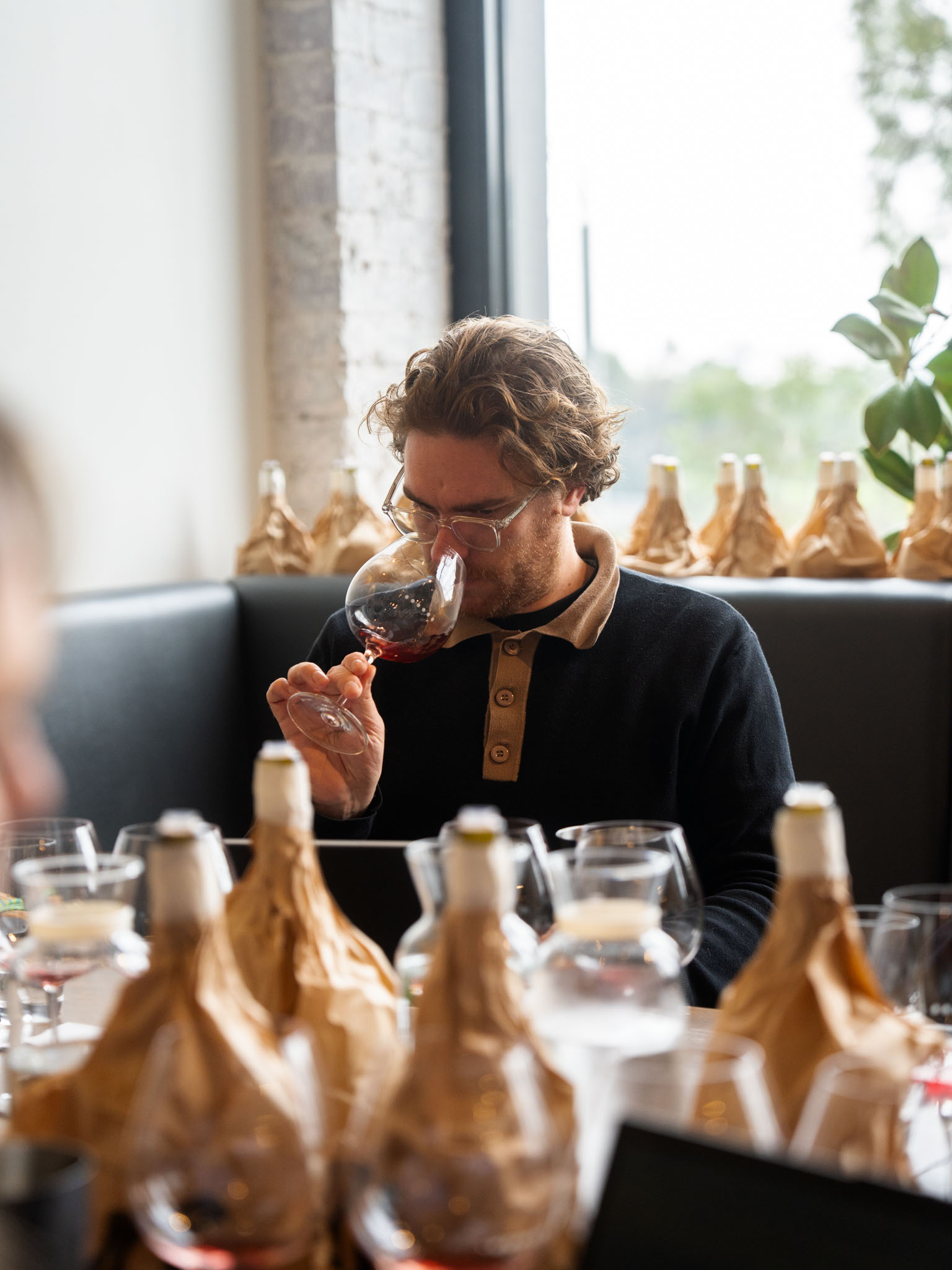
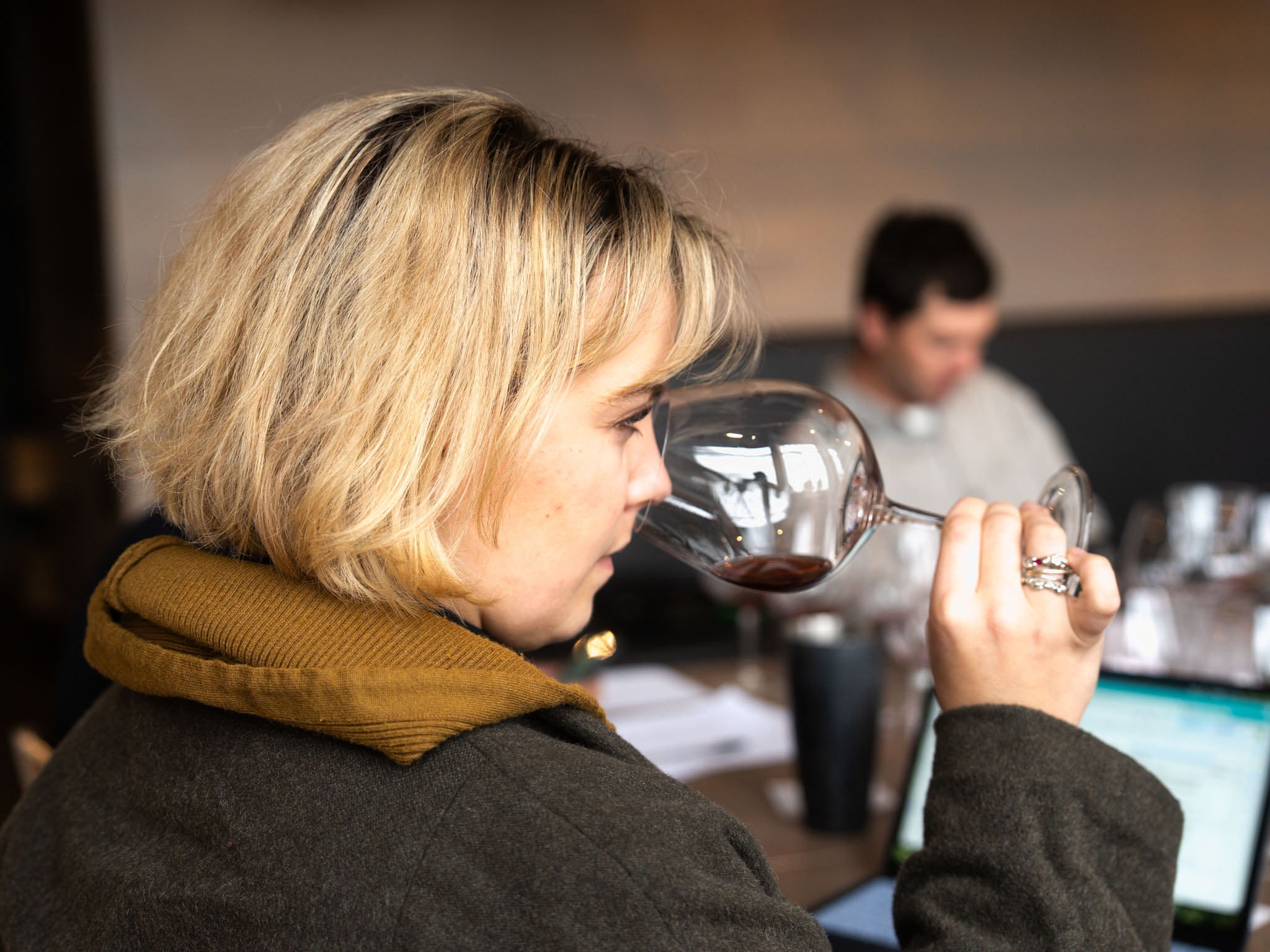
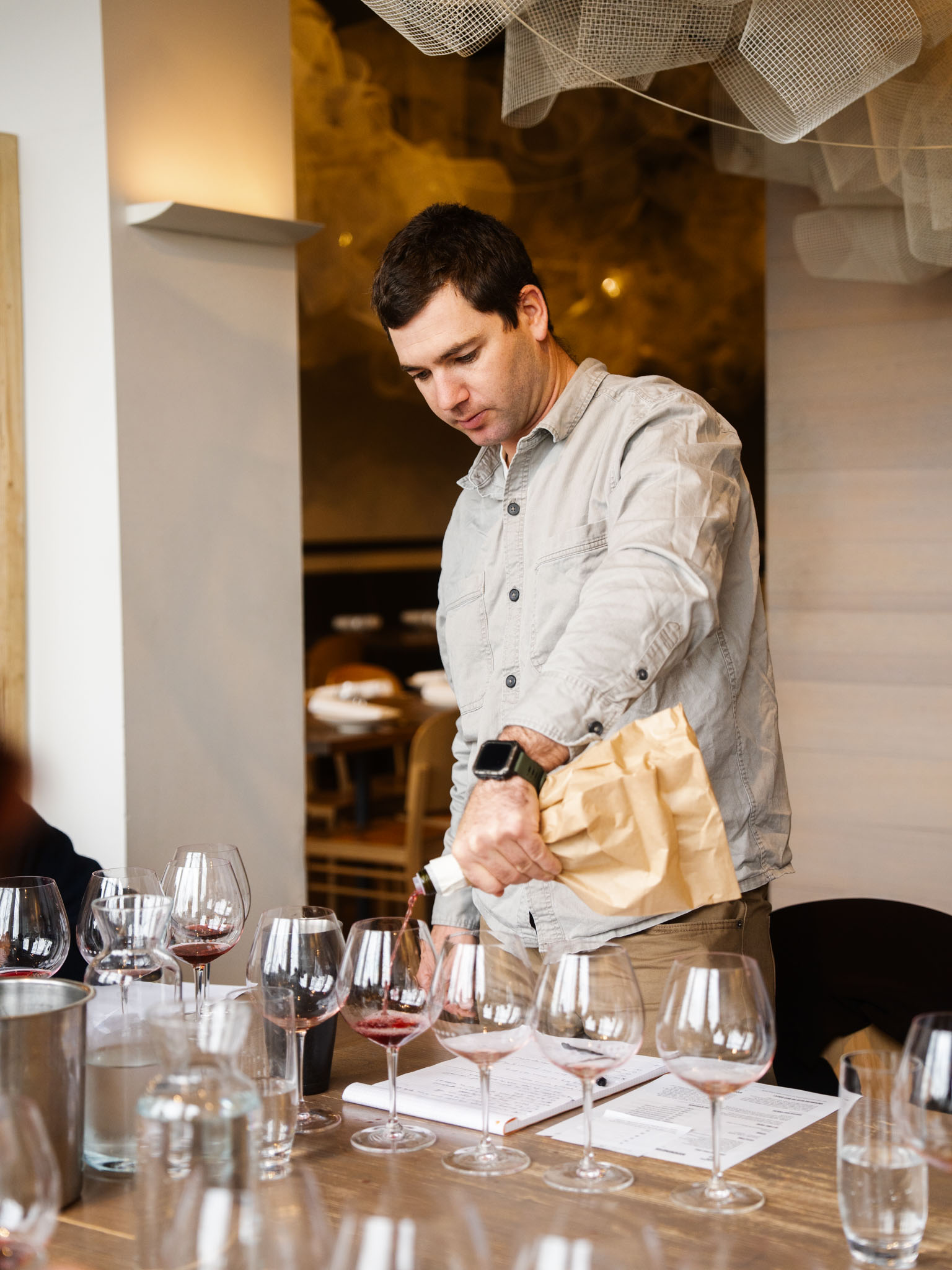
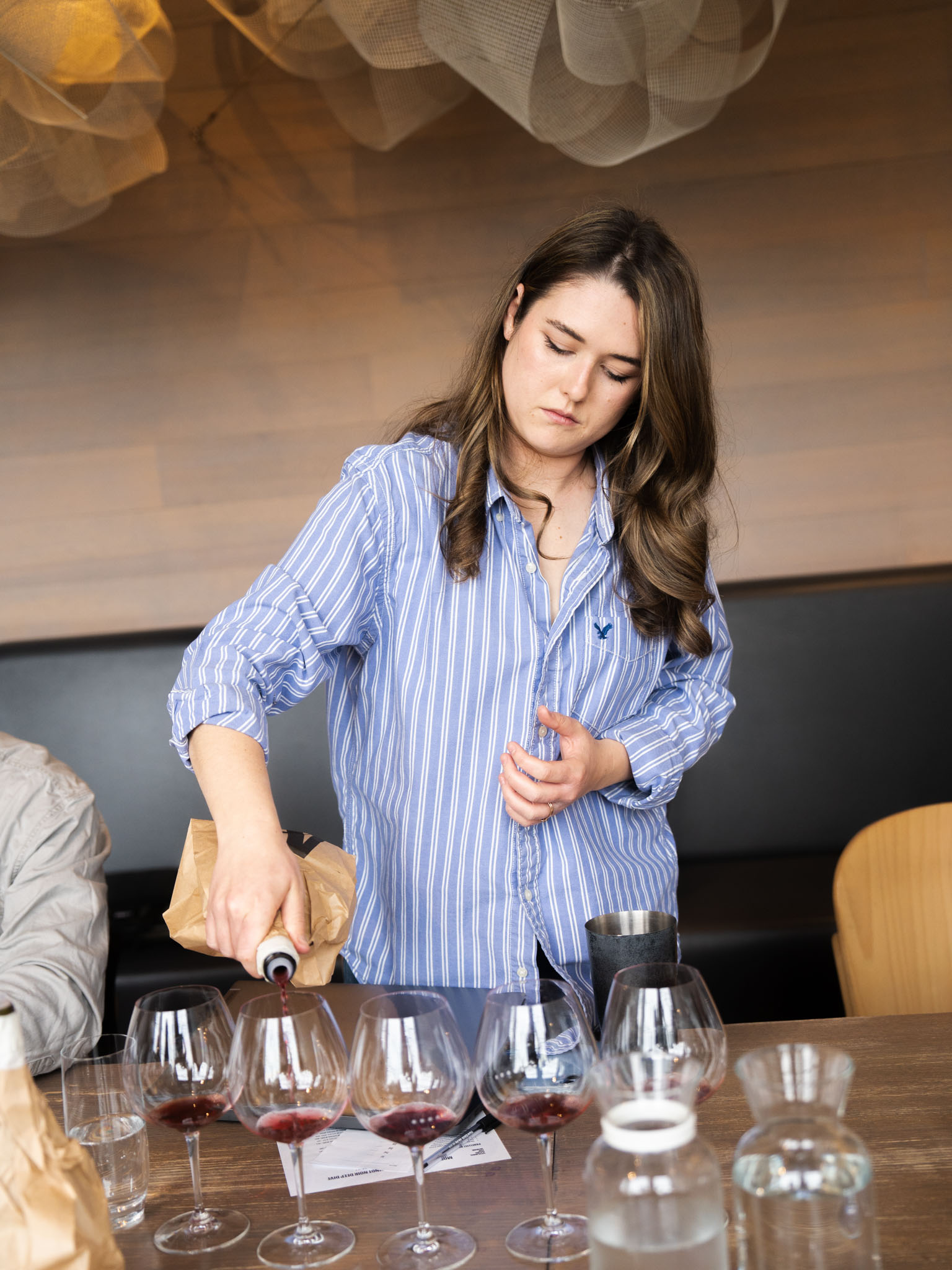
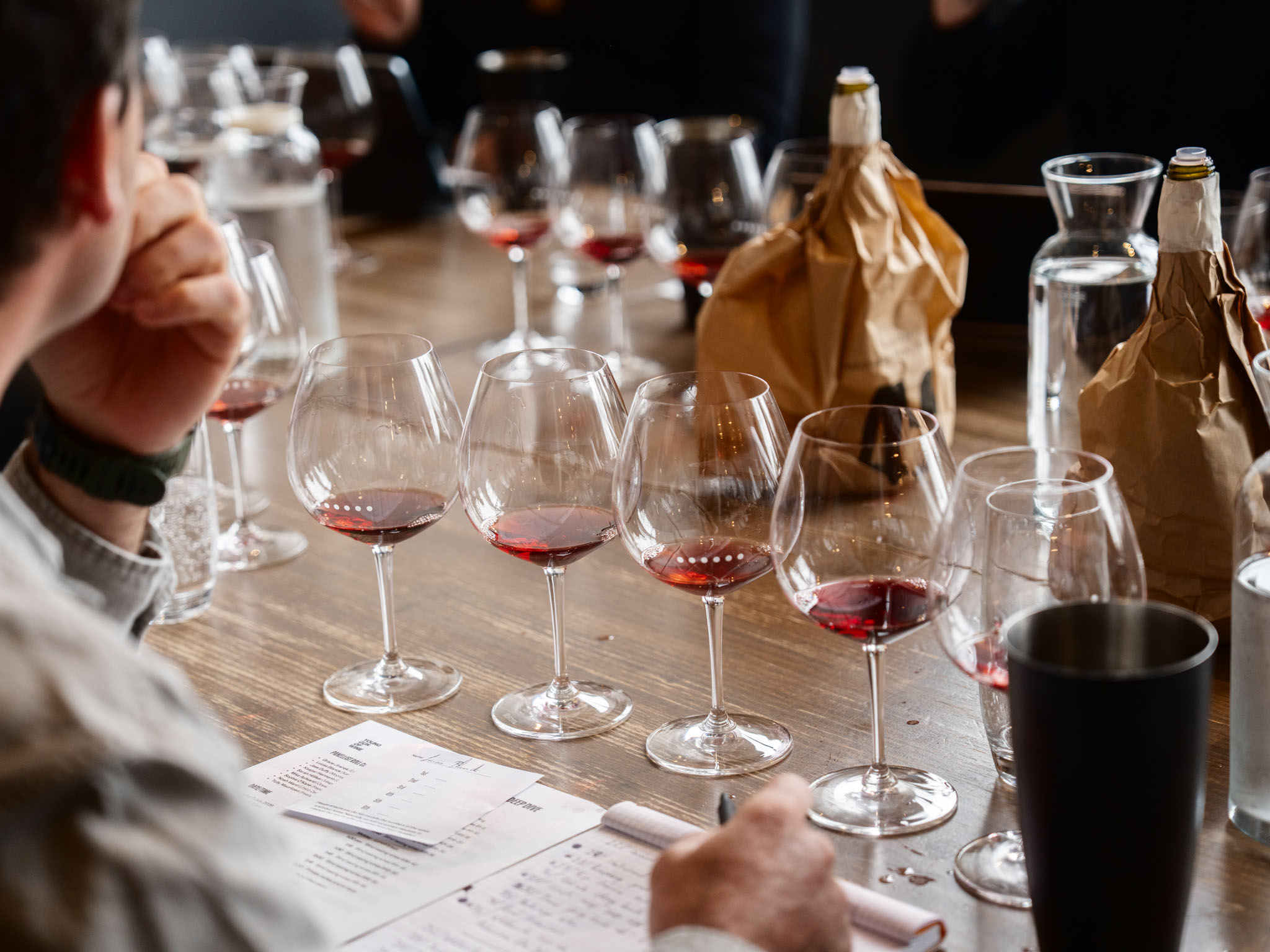
We gathered every example of pinot noir from Mornington Peninsula that we could find and set our expert panel the task of finding the wines that compelled the most. All wines were tasted blind, and each panellist named their top six wines. Below are the wines that made the panellists’ top-six selections from the tasting.
Our panel: Mike Aylward, owner and winemaker, Ocean Eight; Kaspar Hermann, winemaker, Onannon, Rochford Estate, and Toolangi; Lucas Blanck, vigneron, Kerri Greens; Grace Jiranek, winemaker, Eldridge Estate; Jess Duffy, trainee winemaker, Moorooduc Estate; Sarah Hilliker, sommelier, Vespa Pasta & Vino; Sophie O’Kane, freelance sommelier; Noah Ward, wine communicator, Bottle Shock; Tully Mauritzen, freelance sommelier.
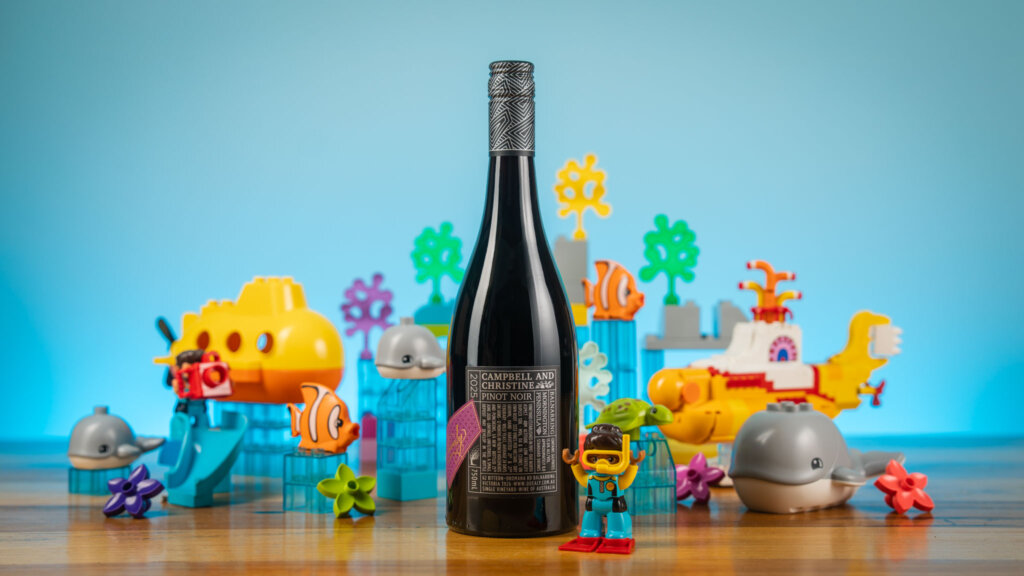
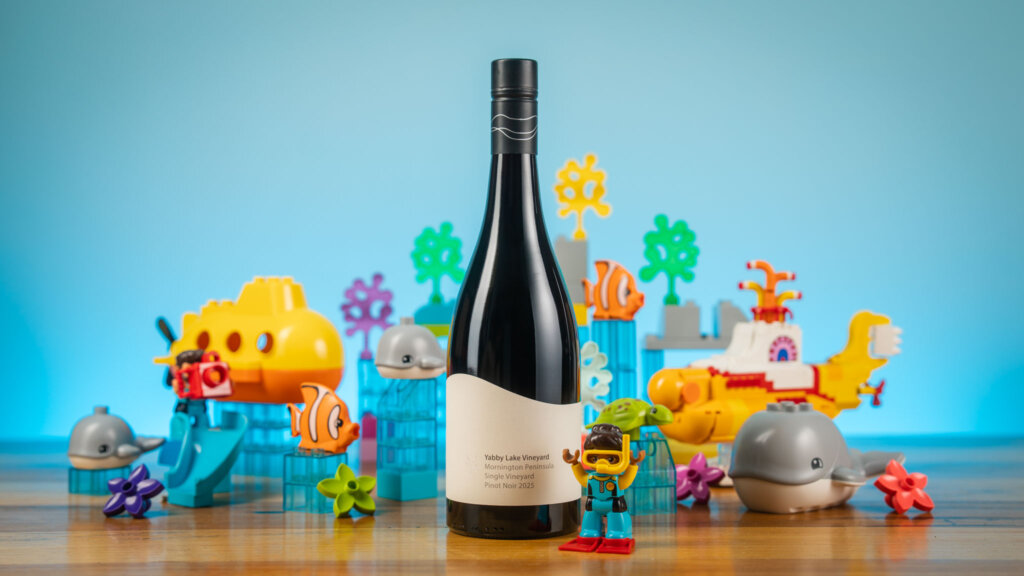
Hermann, Hilliker, Ward, and Mauritzen selected this among their standout six wines of the day. “Wow, this is it … this pinot is all class!” Hermann exclaimed. “Such vibrant red forest fruits, spice notes and earthy charm. The palate has incredible depth – red plum, red berry compote, and a touch of tamarillo. Such length – a beautiful wine!” Hilliker observed: “This wine caught my attention strongly and wouldn’t let go. There’s some lovely fruit sweetness on the palate, with flavours of pink dragon fruit and raspberry backed by a strong mineral drive reminiscent of river stones and the seaside. In theory its slightly elevated alcohol level could have detracted from the appeal, but in practice that extra ABV didn’t feel out of balance in this wine. This wine brought back specific and very nostalgic childhood memories for me – it smells like being at the rock pools in Sorrento on a hot summer’s day and poking the anemones to watch them close. I’d love to have a picnic on the beach and take a bottle of this with me – preferably once the weather’s a little kinder!” Ward declared: “Oh wow – what a nose! Special kind of pinot aromas here that exude a level of class – a spicy menagerie of red fruits, with a slightly salty oceanic vibe. High quality oak – clearly present now, but will integrate beautifully with time. Tannins are firm and tight, and will likewise resolve nicely with cellar time. Wowee. Ooft. Just continues to over-deliver in all aspects. Has that elegance but is still so Mornington. Belter stuff here – special occasion feel to it.” Mauritzen added: “The tannins on this wine had me intrigued – an invitation to come in and enjoy so much more. This is a perfectly shaped wine, hitting the notes of crunchy acidity, fine tannins, and just enough generosity of fruit to keep you curious. Herbaceous notes lend an inky, graphite tension. This is what tannin and acid should do – invite you to keep digging and leave you wanting more.”
2025 Yabby Lake Single Vineyard Pinot Noir $75 RRP
Aylward, Jiranek, and Ward included this in their top six picks of the blind tasting lineup. “Delicious, with a real standout nose – vanilla, cream, cherries, raspberries and strawberries all complement each other beautifully,” Aylward opened. “The fruit profile is fresh and balanced, with enough structure to suggest this wine should comfortably age for another four to five years. I don’t think there’s much influence from the winemaker here – the vineyard is doing most of the talking, and that’s always a wonderful thing.” Jiranek noted: “Morello cherry and plum skin fruit notes meld with kalamata olive for a savoury finish. The palate shows cocoa powder and blackcurrant. An approachable wine, but with great depth – poised and put together.” Ward assessed: “Darker cherry red colour here. Backs it up on the nose with blackcurrant, black and red cherries, and a lovely mineral character. Well used whole-bunch fermentation, with lignified stems is on show here, but there’s still heaps of primary fruit underneath – dark cherry, raspberry, blueberry, blackcurrant. The tannins are nice, and have really softened into the wine. Oak not the key flavour piece here. Excellent winemaking is evident here – a classy, really complete wine that offers great drinking. Pair with a Sunday roast.”
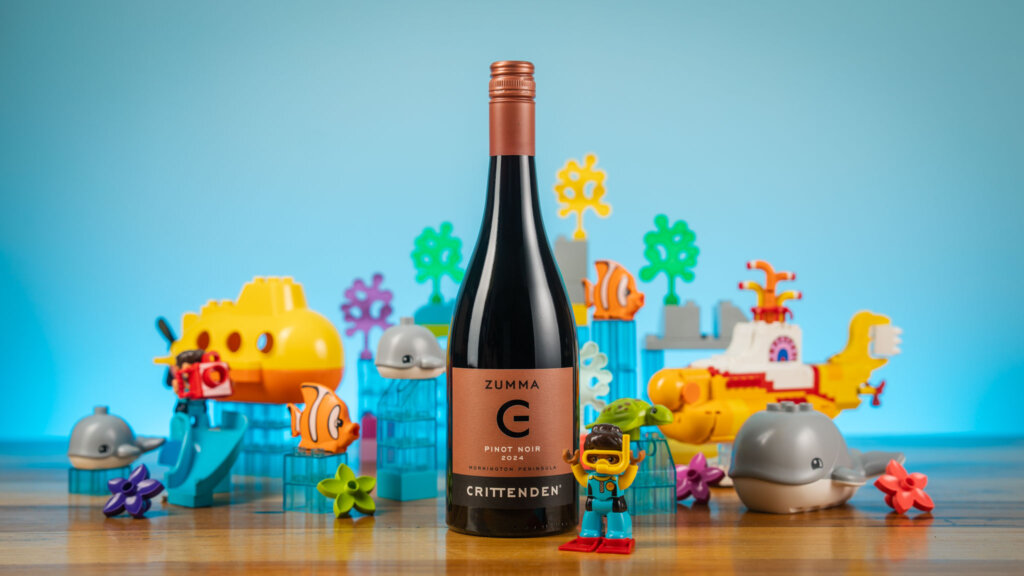
2024 Crittenden ‘Zumma’ Pinot Noir $65 RRP
Blanck, Duffy, and Hilliker chose this wine among their top six wines in the tasting. “A classic Mornington Peninsula pinot noir with a vibrant ruby colour,” Blanck began. “The nose shows plenty of wild strawberry and raspberry aromas, while the palate is beautifully balanced, with well-integrated oak providing subtle complexity and a refined structure. The finish is elegant, fresh, and persistent.” Duffy enthused: “A captivating interplay of sweet and savoury character leaps from the glass, revealing a wine of remarkable complexity and intensity. Charcuterie, game and tomato leaf intertwine with notes of vanilla, plush red berries, blackberry and blueberry pie, while a subtle ferric nuance adds an intriguing metallic edge. The palate is long and gentle, with a persistent finish that leaves you convinced just one more sip is needed.” Hilliker observed: “Good structure and good mouthfeel – a little stemmy savouriness that helps to balance the pretty plushness of this wine. Pink, red, and purple flowers on the nose and palate, alongside red and purple cherries and plum skins – it smells and tastes like a meadow in the spring filled with wildflowers and sweetgrass. So fresh, and so delicious!”
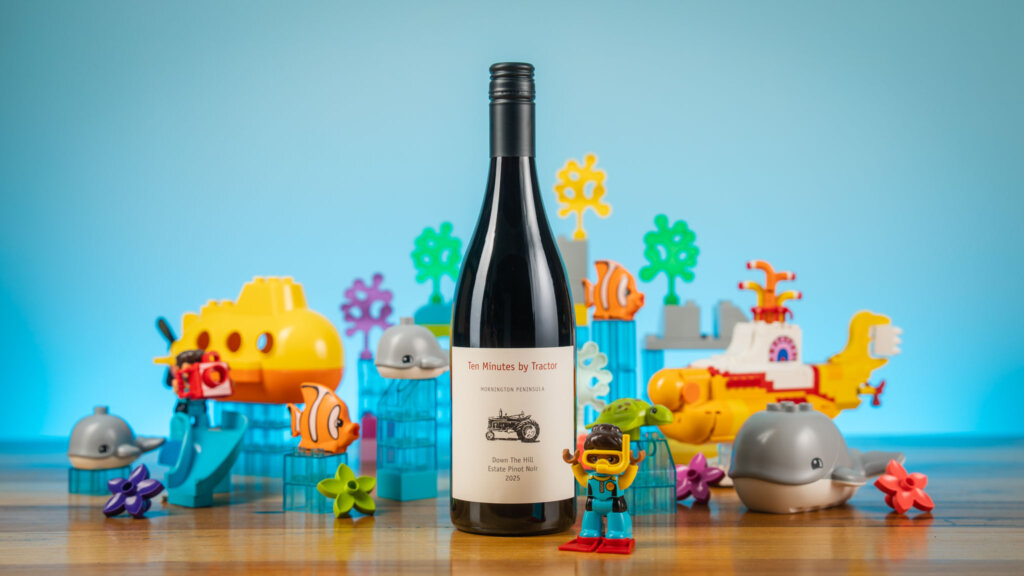
2025 Ten Minutes by Tractor ‘Down the Hill’ Pinot Noir $64 RRP
O’Kane and Duffy picked this as part of their top six selections from the blind tasting. “A bit of reduction on the nose here – a whiff of gunflint that lies over the darker fruit tones of loganberries and blackberries underneath,” O’Kane noted. “Not a lot of savoury components on the palate initially – nice primary fruit characters, followed by hit of both tannin and acidity that gives structure. Savoury components eventually reveal themselves on the palate – warming spice and herb notes of cinnamon and thyme. Shows an elegance of soft extraction – the fruit has been handled well.” Duffy added: “Mulberries and black cherries take centre stage, supported by fresh tarragon, liquorice root and delicate sage-bush flowers. A gentle note of lavender lingers in the background, adding a fragrant lift to the bouquet. Bright and refreshing on the palate, the wine finishes long and graceful, with impeccable balance throughout.”
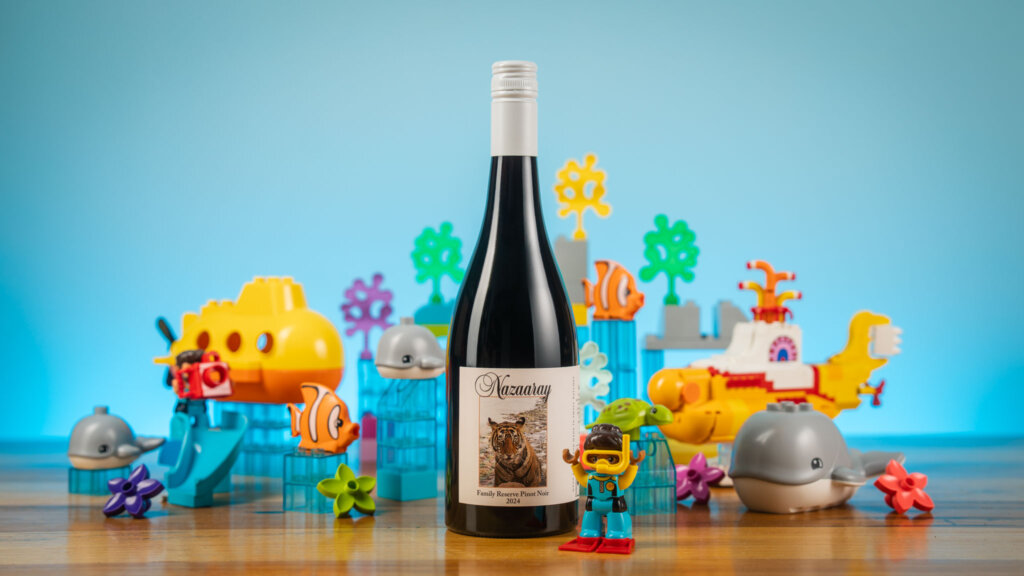
2024 Nazaaray ‘Family Reserve’ Pinot Noir $65 RRP
Blanck and Hilliker included this among their standout six wines from the day. “Displays a slightly herbaceous nose with distinctive whole-bunch characteristics,” Blanck observed. “These savoury notes are well integrated with the vibrant fruit and subtle oak, creating a wine with excellent balance and a refined, structured palate.” Hilliker declared: “So, so savoury – I love it. A complex spice profile featuring cardamom, fenugreek and curry leaf, with floral notes of earl grey tea, lavender, violets, and iris flowers. A little purple sweet potato in the mix here, too! A wine of really great balance – and so different from a lot of the others in the line-up.”
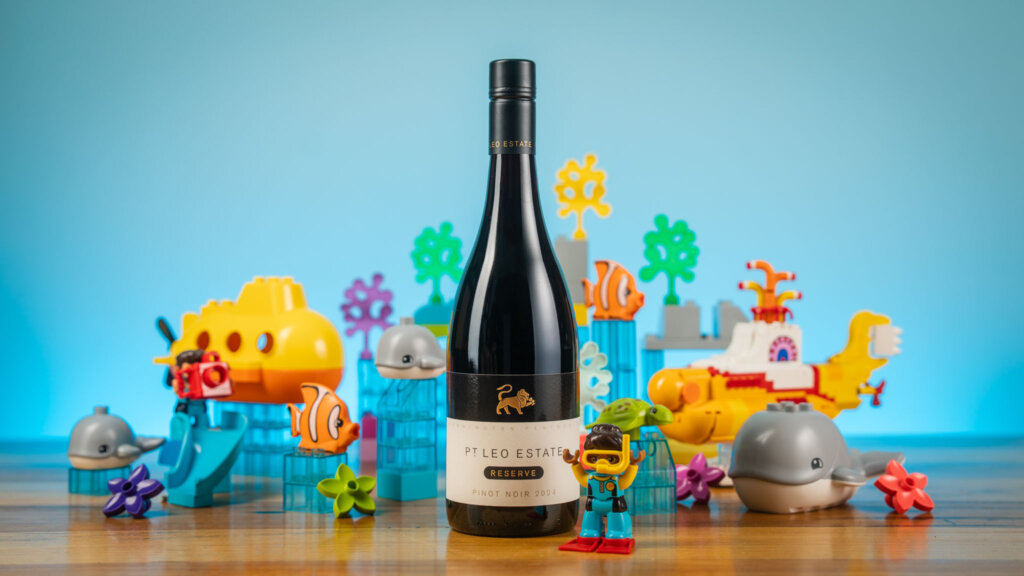
2024 Pt. Leo Estate Reserve Pinot Noir $110 RRP
O’Kane, Hilliker, and Blanck named this wine among their top six in the blind tasting. “A small hint of reduction on the nose – slate and graphite tones that blow off to reveal nice red fruits with some confectionary character,” O’Kane opened. “The palate shows nice depth of primary fruit flavour and good texture – not all from tannins, the acidity is also lower, which makes this more slurpy and approachable. A quaffable but still savoury wine with more broadness – appealing to those who like a bit more complexity.” Hilliker enthused: “The first thing I jotted down when I tasted this wine was ‘Ooooh yeah, that’s good’. Super pretty fruit and florals with an almost gamay-like granite and graphite quality – purple plum, geranium, and magnolia backed with espresso, malt, and a nice herbal kick. Structured but still silky on the palate. This has the mineral edge – like rain on hot asphalt – that I look for in Mornington Peninsula pinot. The definition of moreish!” Blanck noted: “Beautifully balanced, with ripe, well-integrated tannins providing excellent structure. A refreshing, subtle bitterness adds definition and length to the palate, while the wine has a glossy, polished texture that carries through to a long, elegant finish.”
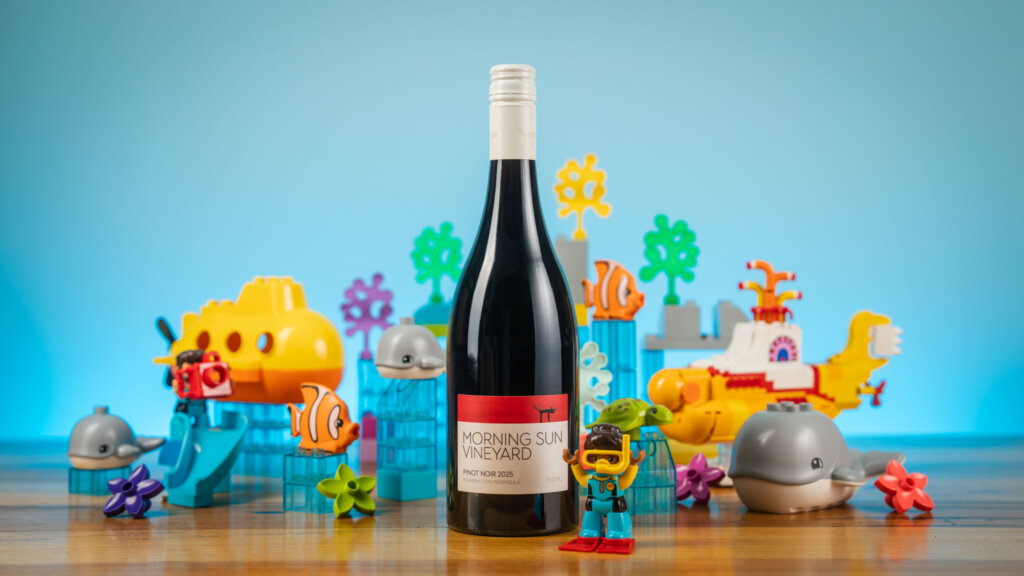
2025 Foxeys Hangout ‘Morning Sun Vineyard’ Pinot Noir $60 RRP
Jiranek and Blanck selected this among their standout six selections from the tasting. “A lifted nose of juniper and aniseed notes,” Jiranek declared. “Blackberry coulis starts the palate, and silky tannins finish it beautifully. The acidity sits nicely, and the fruit here feels jubey and bright. The oak is well-placed and frames the wine’s flavours. A really likeable wine – I kept coming back to it!” Blanck added: “Displays an appealing earthy character with subtle notes of fresh forest floor and wild mushrooms. Layers of wild berries and strawberry lollies add a bright, playful fruit profile, creating an interesting balance between savoury complexity and vibrant freshness.”
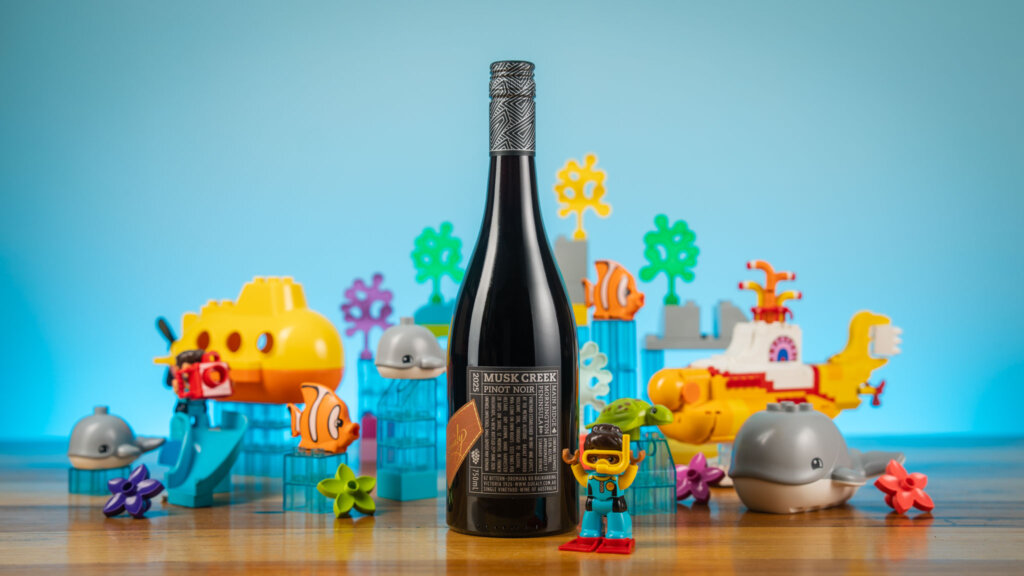
2025 Quealy ‘Musk Creek’ Pinot Noir $55 RRP
Aylward and Hermann picked this as part of their top six wines of the day. “This is a very tight, pretty and elegant pinot,” Aylward began. “Pinot drinkers often love the subtleties and qualities that are difficult to put into words, but reveal themselves over time, and this wine is all about those subtleties. The perfume and ethereal character are remarkable. The colour is light and spicy, with strawberry and raspberry fruit. At first glance, a lot of people would dismiss this wine as too light, but once you spend time with it, another level of intrigue reveals itself. It will keep opening and evolving, becoming more expressive with every sip. This is the type of wine you can happily pour another glass of because you simply don’t tire of it.” Hermann observed: “Super fragrant, with a detailed nose of potpourri florals and red forest berries. Great fruit concentration, flow, freshness and tannin balance. Super impressive.”
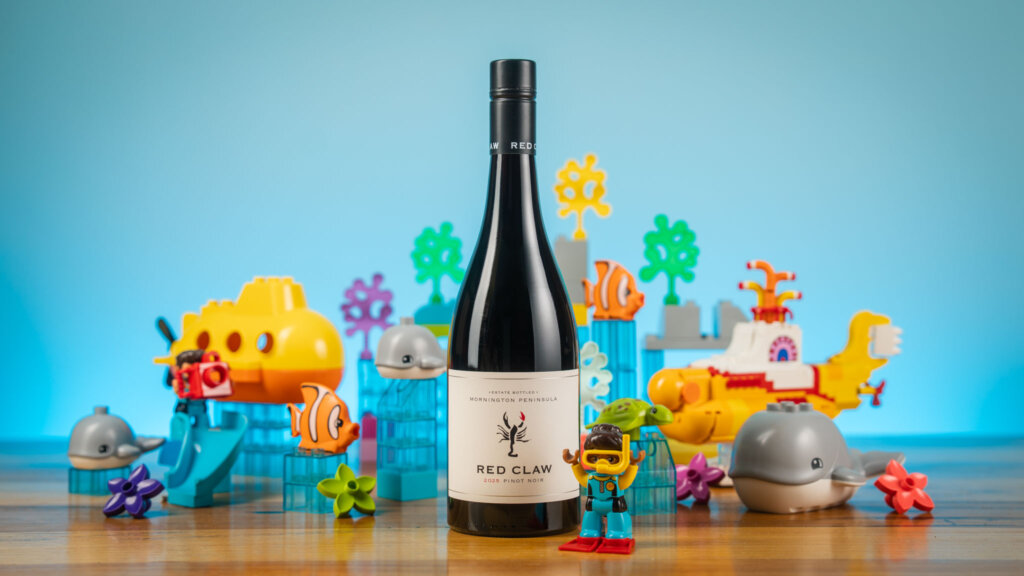
2025 Yabby Lake ‘Red Claw’ Pinot Noir $40 RRP
Jiranek and Blanck included this among their top six picks from the blind tasting. “Confected, almost cordial-like raspberry lift on the nose,” Jiranek assessed. “The palate has much more seriousness and balance – bright fruit, well-placed tannins, chewy and delicious, and an appealing little Negroni-like edge to the finish. This feels pretty seamless – I love it!” Blanck concurred: “Plush ruby-red in colour. Initially a little shy on the nose, it gradually opens to reveal delicate aromas of fresh raspberry juice and violets. The palate is refined and elegant, with a subtle, lifted fruit profile and a soft, graceful finish.”
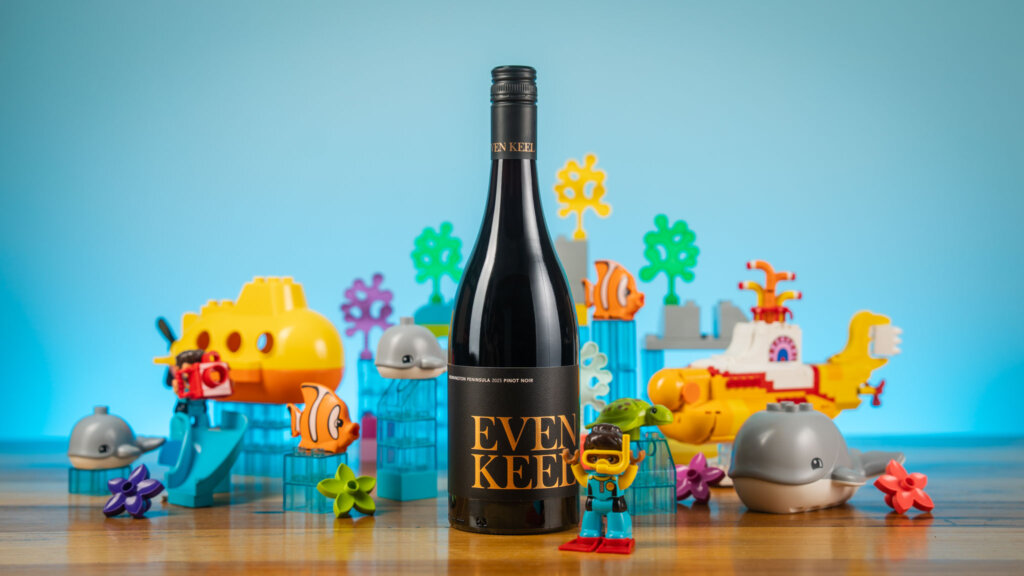
2025 Even Keel Pinot Noir $40 RRP
Mauritzen chose this wine for her top six selections in the blind tasting. “Amazing bouquet – cherry, rose, and a hint of chalky minerality,” she declared. “On the palate, notes of cranberry, and red cherry intermingle with sour rhubarb compote, accented by a really delicate sage and bay leaf spice character. Just keeps going on the palate, driven by fresh acidity. This feels incredibly Burgundian – the sophistication of the red fruit spectrum here is something to be in awe of.”
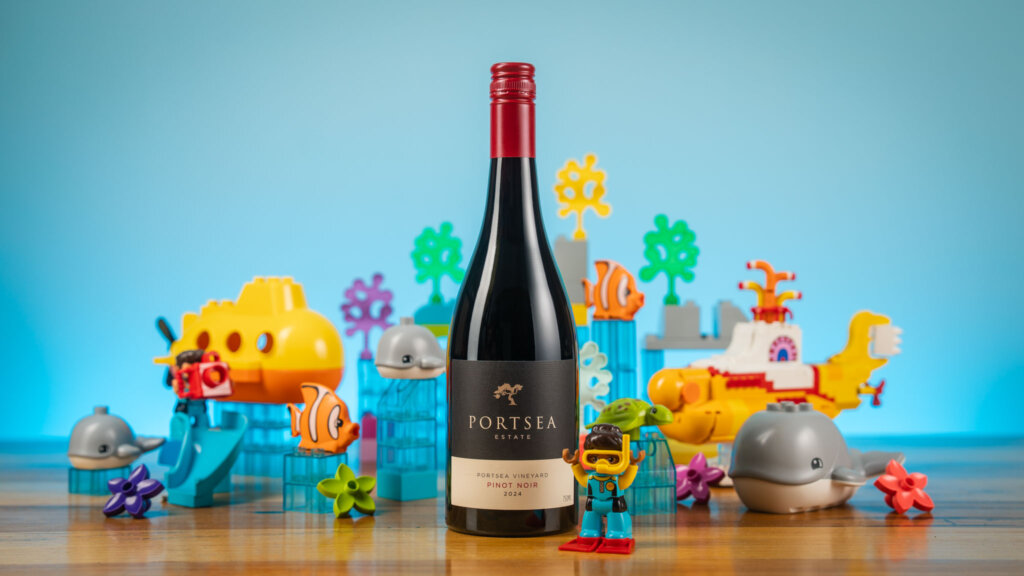
Mauritzen and Hermann named this among their standout six wines in the tasting lineup. “Strawberry fruit nose, with umami, gamey, and herbaceous elements – almost reminiscent of brown anchovy,” Mauritzen noted. “There’s weight to the body that really fills out the middle, and the tannins carry the wine with grace. It feels world class. Gentle bay leaf and sage mixed with a compote of fresh raspberry, red cherry.” Hermann added: “Super aromas – stone, rose petal, cranberry and blueberries. The palate is tight and focussed, with wonderful length. Super-impressive winemaking on show here – it’s a banger!”
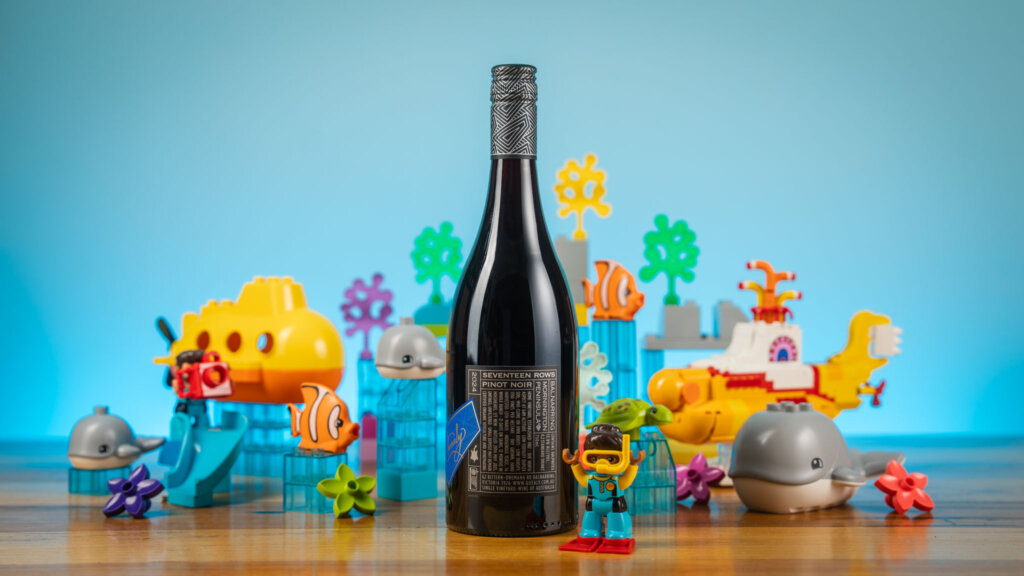
2024 Quealy ‘Seventeen Rows’ Pinot Noir $80 RRP
O’Kane and Mauritzen named this among their top six wines from the blind tasting. “I like this – there’s lots happening, and in a very gastronomic way,” O’Kane began. “A savoury, vegetal nose of tomato leaf and a hint of kola nut that indicates some toasted new oak. Generous fruit presence on the palate, with a back edge of home-made cola that’s been heavily laced with clove and cinnamon bark, alongside acacia and some Campari- or quinine-like bitterness to frame the finish. That bark-like character might technically drag the wine out of balance, but this would be a sommelier’s delight to play with – there’s lots of flavours, aromas and textures to pick out to highlight with a dish.” Mauritzen observed: “Almost piquant – has a roasted red pepper vegetal savouriness. An umami bomb of a wine – mushroom powder, MSG. Finishes with redcurrant-like burst of acidity.”
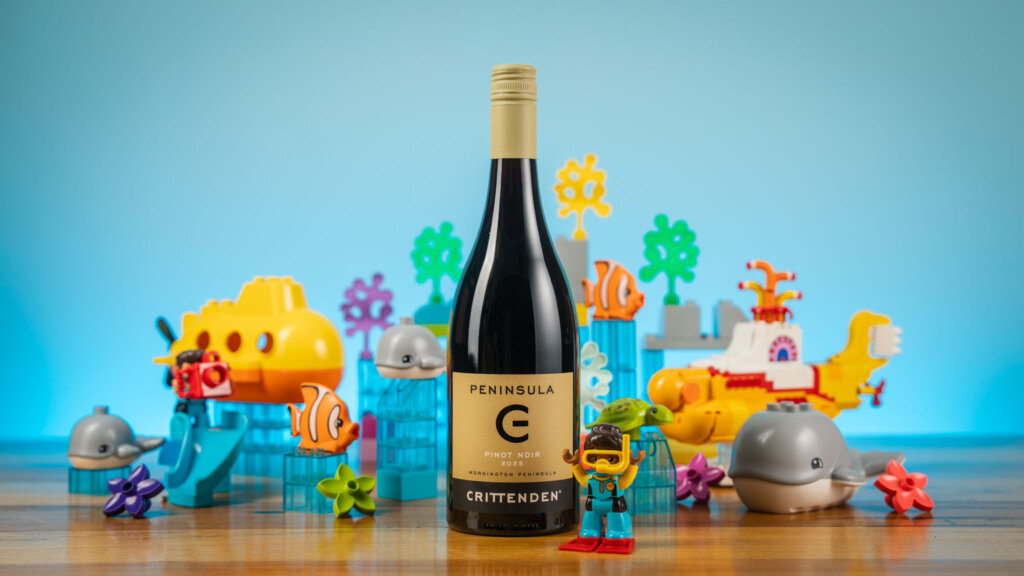
2025 Crittenden ‘Peninsula’ Pinot Noir $41 RRP
Ward and Jiranek included this among their standout six picks of the day. “Fragrant red cherry, red plum, and rhubarb, backed with a salty hit of sea spray – very Mornington,” Ward opened. “Great wine on the palate – glossy fruits of red cherries, plum, blueberries. Tidy structure and beautiful texture – it glides on the palate, but the firmness of the tannin indicates it’s in for a long life ahead. Good now, good in the future – a decant would make this a thrill, or even better set it aside for twelve months and this thing will sing.” Jiranek noted: “Fresh cranberry notes on the nose, alongside a confected raspberry note reminiscent of bright red Sour Patch Kids gummies. Lovely fleshy fruit provides richness on the palate. Well put together and balanced – the fruit is not overworked, and sings of Mornington, and while oak is present it’s not overpowering. Great energy in this wine overall.”
Hilliker selected this for her top six wines in the blind tasting lineup. “This wasn’t originally going to be in my top wines – but after tasting it, I just couldn’t stop thinking about it, and it ended up being my favourite wine of the day,” she declared. “The point of difference that makes this wine stand out from other Mornington Peninsula pinots is its umami character – so many savoury and spicy Asian flavours! I’m talking soy sauce, white miso paste, toasted sesame seeds, black beans, star anise, Chinese five-spice … there’s also some lovely red-fruit sweetness, and a very subtle oak influence that adds plushness and softness to the mouthfeel. This is a compelling and interesting wine – really sleek, food-friendly, and just plain sexy.”
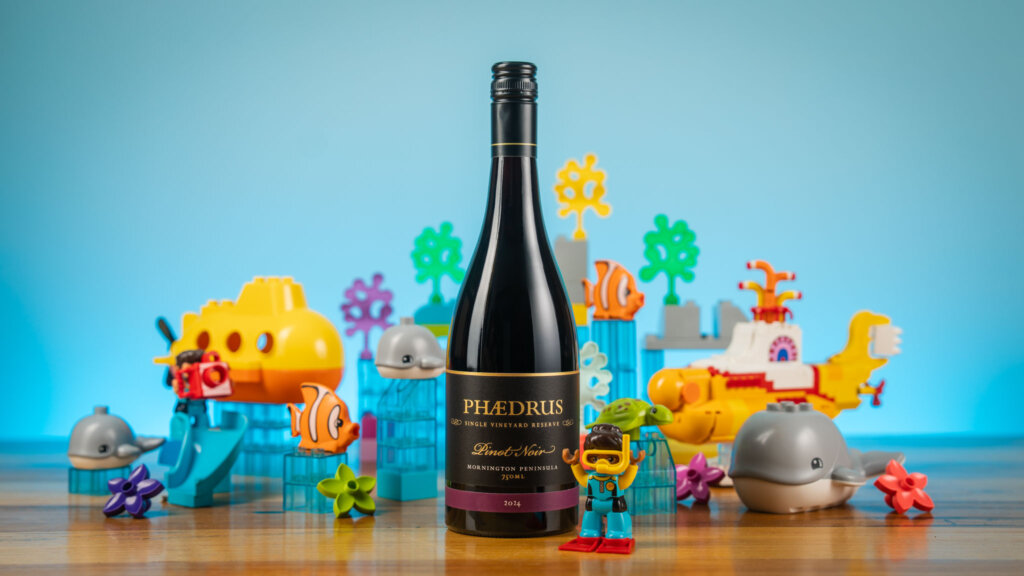
2024 Phædrus Single Vineyard Reserve Pinot Noir $55 RRP
Duffy chose this wine among her standout six selections from the tasting. “Juicy, bright red fruits meet lashings of vanilla and baking spice,” she enthused. “Maraschino cherries provide a point of intrigue on the palate before a hint of candied peach makes an unexpected appearance, giving way to wave after wave of luscious strawberry jam. A rich, textural palate is framed by beautifully integrated acidity and fine tannins, culminating in a long, beautifully rounded finish.”
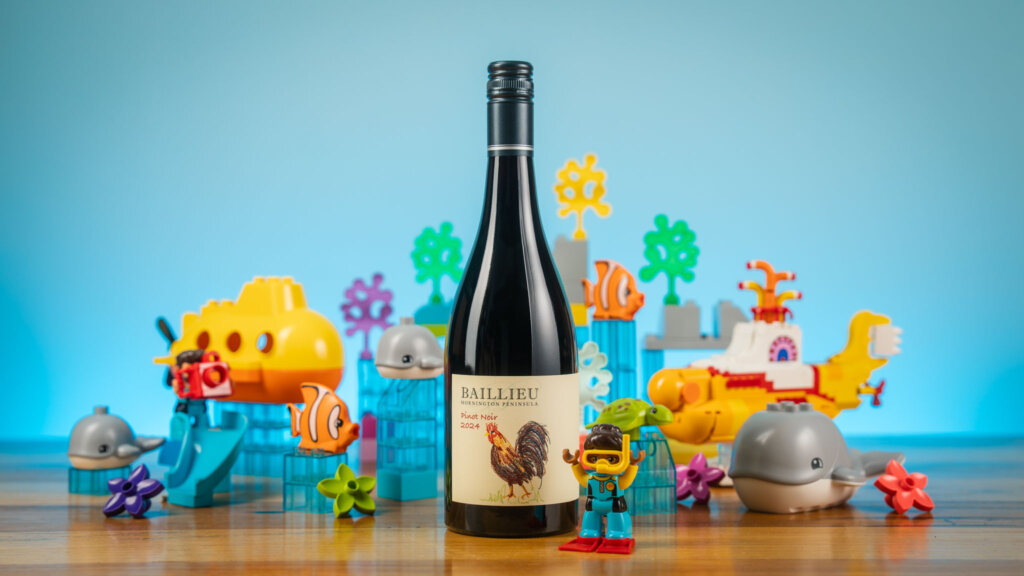
2024 Baillieu Pinot Noir $45 RRP
Blanck and Duffy picked this as part of their top six wines of the blind tasting. “Rich and powerful on the nose, with subtle oak supporting an intense mix of ripe berry aromas,” Blanck assessed. “The palate is concentrated and expressive, showing bold berry flavours with a savoury edge, balanced by a touch of sweetness that adds generosity and depth.” Duffy added: “On the nose, stewed rhubarb and baked red plum are wrapped in fine-grained oak, with subtle hints of cedarwood, cocoa powder and freeze-dried raspberries adding depth and intrigue. Rich and wonderfully textural, the palate delivers a delightful mouthfeel and an exceptionally long, satisfying finish. Absolutely delicious!”
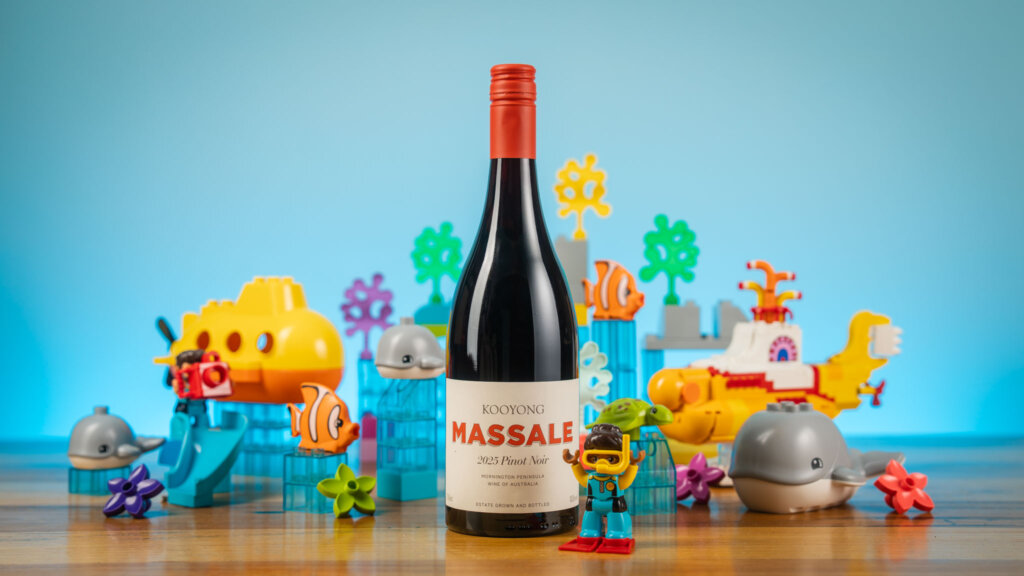
2025 Kooyong ‘Massale’ Pinot Noir $38 RRP
Jiranek and Ward selected this among their top six selections of the day. “A fun kind of saline thing is happening in this wine – like salted toffee apple, but in a good way,” Jiranek observed. “The fruit is elegant and balanced. Another really well-made wine – the fruit feels perfectly ripe and bright, the length carries on. No funky winemaking things happening to distract from the drive. I can’t quite put my finger on what exactly draws me to this wine – but it’s really good, and very moreish.” Ward declared: “Oooh, sexy. An alluring red cherry colour in the glass that’s indicative of its cherry-scented nose. The right side of sour on the palate, with pure primary fruit notes of zippy raspberry. Elegant structure, verging on light bodied – dainty, but still packs a punch. Oak is really well utilised here. Great stuff.”
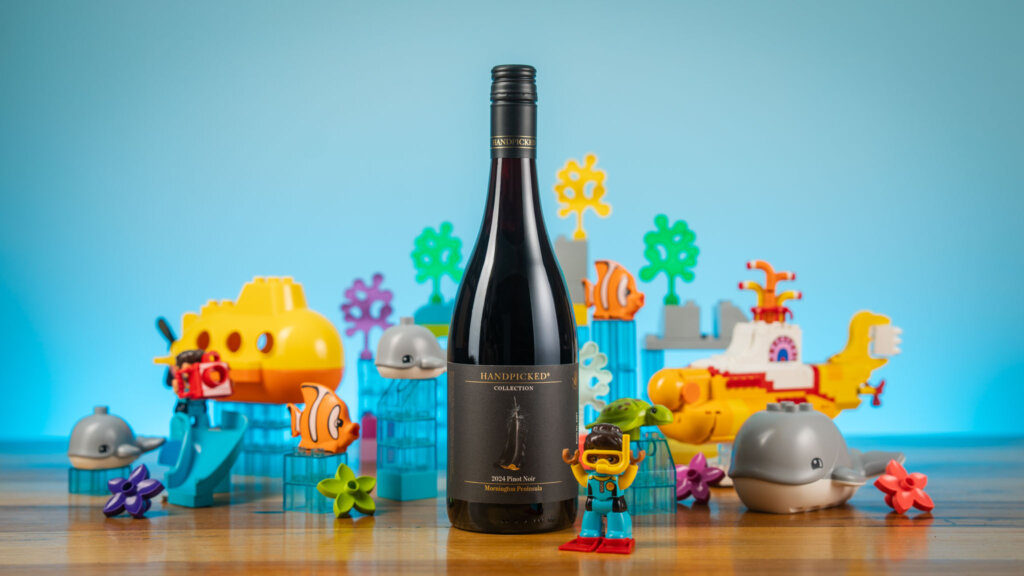
2024 Handpicked ‘Collection’ Pinot Noir $63 RRP
Hermann named this among his top six wines in the tasting. “Quite composed on the nose – a subtle whiff of smoky reduction lifts and turns to rocky ferrous notes,” he observed. “Such quality fruit aromas of Bing cherries and redcurrants emerge from underneath – very precise. The palate offers a wonderful balance of nerve and power, with density of flavour balanced by driving acidity. Very classy!”
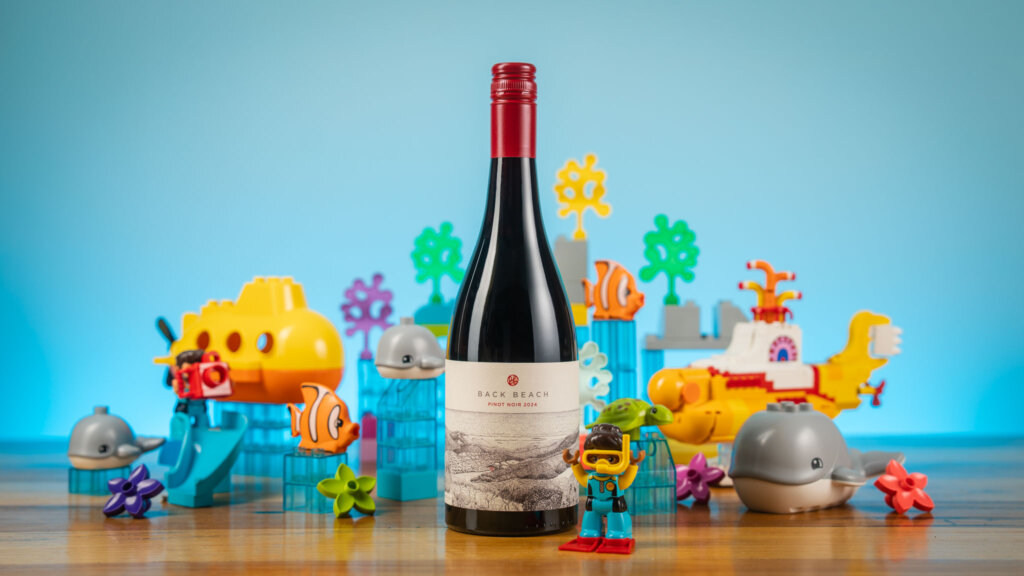
Aylward selected this as one of his standout six selections from the blind tasting. “Intense, with pure cherry fruit notes and a lovely lick of oak,” he declared. “This would make an excellent wine for restaurants or by-the-glass programs – it would pair beautifully with pork loin or spaghetti bolognese. If I were to give this wine a Burgundian comparison, it would sit somewhere between a fine villages and a premier cru. This is a generous Mornington Peninsula Pinot Noir that offers excellent fruit flavour and, I suspect, tremendous value.”
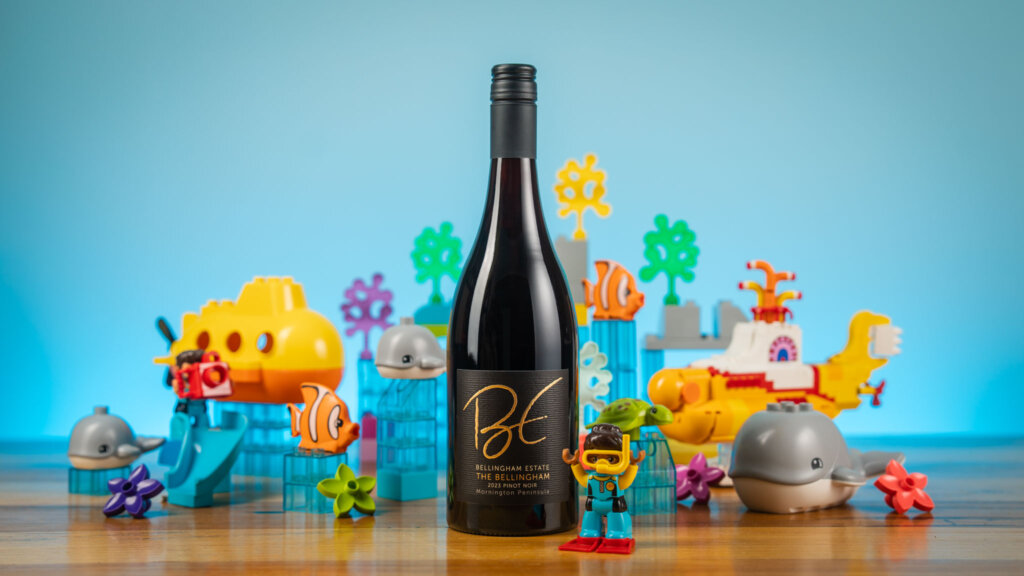
Mauritzen picked this for her top six wines of the blind tasting. “Super distinctively Mornington in the best way – deep fruit tones on the nose backed by earth, game, violet and rose,” she noted. “On the palate, macerated strawberry meets game and spice, then meets floral lift of rose petal and green peppercorn, all carried down the tongue by bright acidity.”
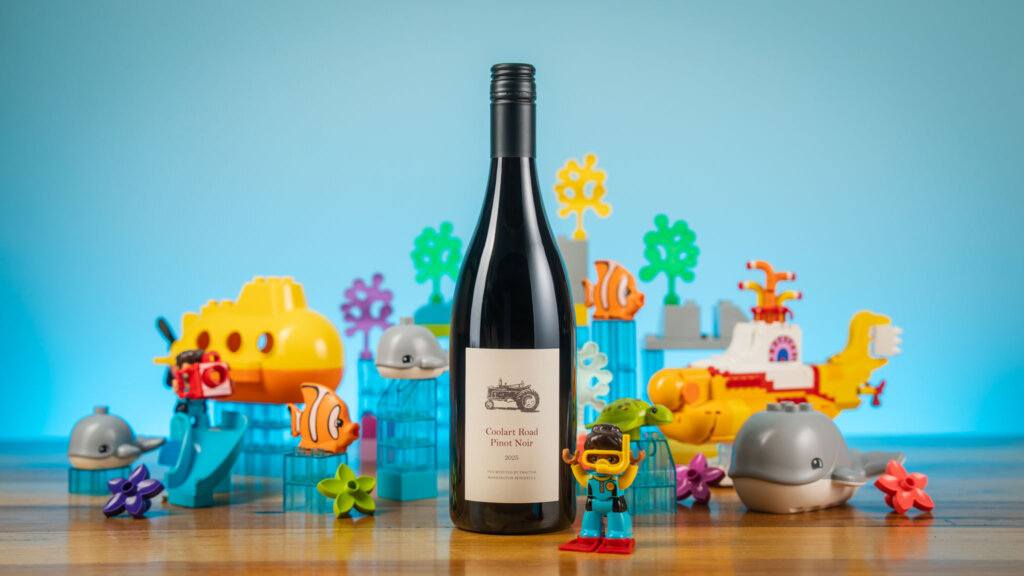
2025 Ten Minutes by Tractor ‘Coolart Road’ Pinot Noir $98 RRP
Ward included this among his standout six picks from the day. “A little flinty reduction on the nose gives this wine a volcanic energy, reminiscent of the wines of Etna or the Canary Islands,” he began. “This dissipates to reveal raspberry, redcurrants, and pure violet floral tones – like smelling the colour purple. On the palate … wow, what a textural delight! The interplay of mid-palate velvet – almost sloshy in its generosity – and gentle but firm tannins is lovely. Classy use of oak, too. A great finish emblematic of super high quality pinot noir – elegance personified!”
2025 Quealy ‘KK01’ Pinot Noir $44 RRP
Jiranek, O’Kane, and Ward named this among their top six selections in the tasting lineup. “Lifted and floral on the nose, with aromas of fresh cherries jumping out of the glass,” Jiranek opened. “It’s lighter in style, but this wine has a subtle power – the tannins are chalky and shape the fruit nicely. An enticing confectionary-like note of Allen’s Red Frogs emerges on the finish.” O’Kane observed: “A nose of cinnamon spice, fresh apple pie with a crumble topping, and confected red raspberries – but not in a cartoonishly fruity carbonic way, more likely from whole-bunch use. Dense and concentrated ripe fruit drives the palate, well balanced by a good hit of acidity and slate-like minerality that adds texture. Some might read its fruit-forward nature as simple or lacking in complexity, but this is nonetheless a charming and solid example of what pinot noir does in the Mornington Peninsula.” Ward added: “So much vibrancy here – a little hazy in the glass, which indicates a nice avoidance of filtration to give extra energy. Deep cherry core, bursting from the seams of the glass – red liquorice and Red Ripperz lolly vibes, possibly indicating some carbonic maceration at work. Tannins are well presented – not intrusive, but evident – showing just how focussed this is on drinkability. Fun, fun, fun – this is party wine, but with plenty of intensity regardless. Chill this down and crank up the tunes.”
Duffy selected this among her standout six wines from the blind tasting. “On the nose, ripe strawberries mingle with tart yet vibrant cranberries, delicate vanilla bean, and fragrant notes of fresh red roses and jasmine,” she opened. “The palate is light and delicate, lifted by crisp acidity and finely integrated tannins, while a subtle smoky campfire note adds a delicate savoury edge. This is a super-pretty example of Mornington Peninsula pinot – and one that’s sure to delight people who love floral characteristics in wine as much as I do.”
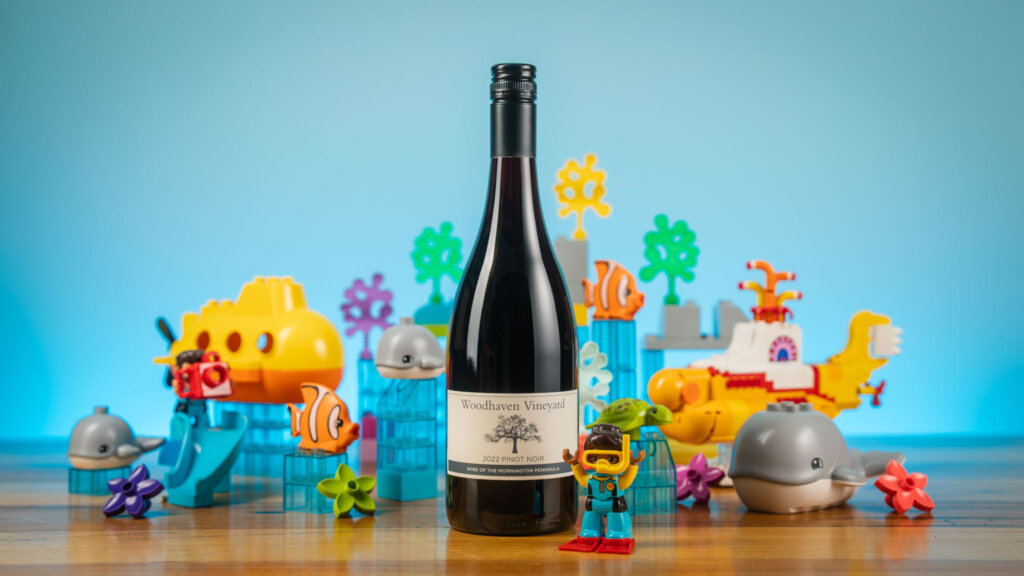
2022 Woodhaven Vineyard Pinot Noir $50 RRP
O’Kane named this as one of her top six selections in the tasting lineup. “A nose that’s almost nori-like in its vegetal character rather than fruit-driven – think menthol, lavender, thyme, saltbush, purslane, and agretti, backed with an almost gamey note,” she noted. “Searing acidity immediately strikes on the palate – but there’s so much umami and flavour intrigue here. Lovely texture, too – almost edgy in its brightness. The acidity is possibly a little out of whack here, but this made my top six for its sheer intrigue. A wildcard of a wine – and one that would be brilliant with a Japanese meal, whether you’re having it in or out.”
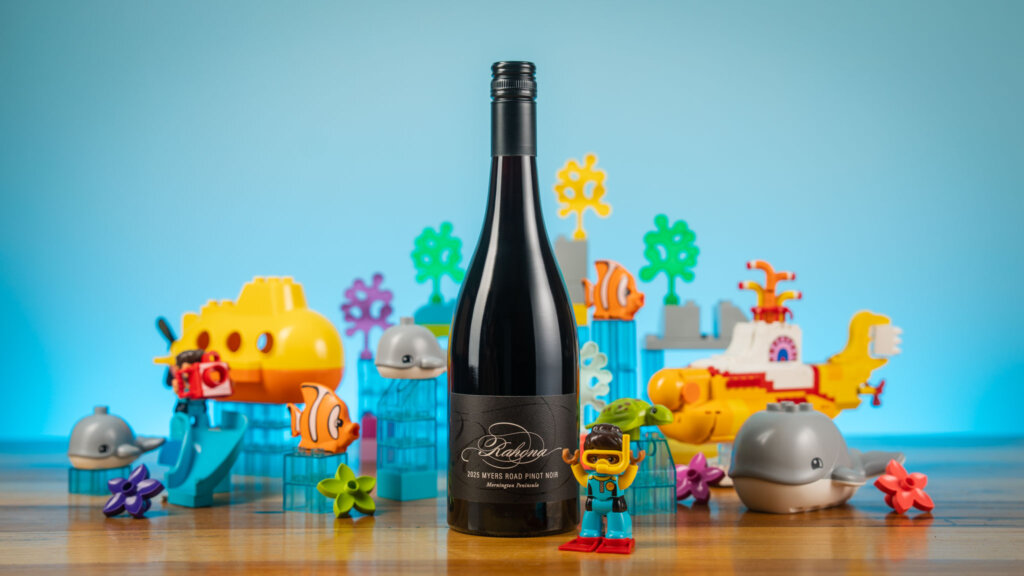
2025 Rahona ‘Myers Road’ Pinot Noir $65 RRP
Hilliker chose this for her top six wines of the day. “This wine is lavish and shamelessly showy,” she declared. “A nose full of rich notes – Cadbury Caramilk chocolate, vanilla custard, caramelised ice cream, raspberry, and boysenberry. On the palate, it’s tart yet opulent, fresh yet rich – tasting this wine offers a series of really interesting juxtapositions that create plenty of intrigue. I kept coming back to revisit it in my glass several times – a delicious puzzle of a wine!”
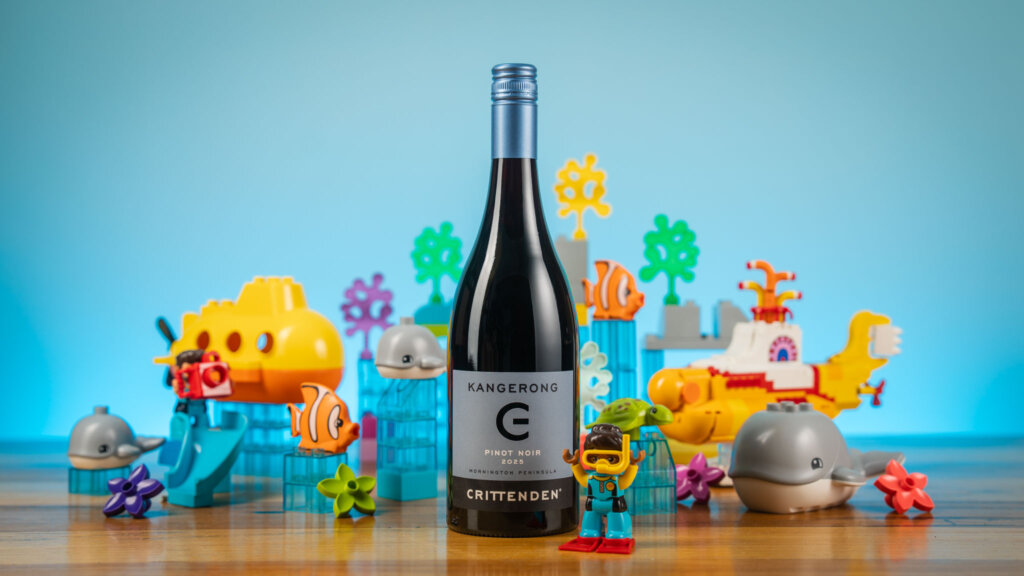
2025 Crittenden ‘Kangerong’ Pinot Noir $51 RRP
Hermann included this among his standout six selections from the blind tasting. “This is a beauty!” he exclaimed. “Very cool fragrances of rose petal, sweet beetroot, and purple violet florals on the nose. On the palate, there’s dried raspberries and a little cocoa, driven by sappy acidity and a wonderful burr of quality tannin underneath. An elegant and composed take on Mornington Peninsula pinot.”
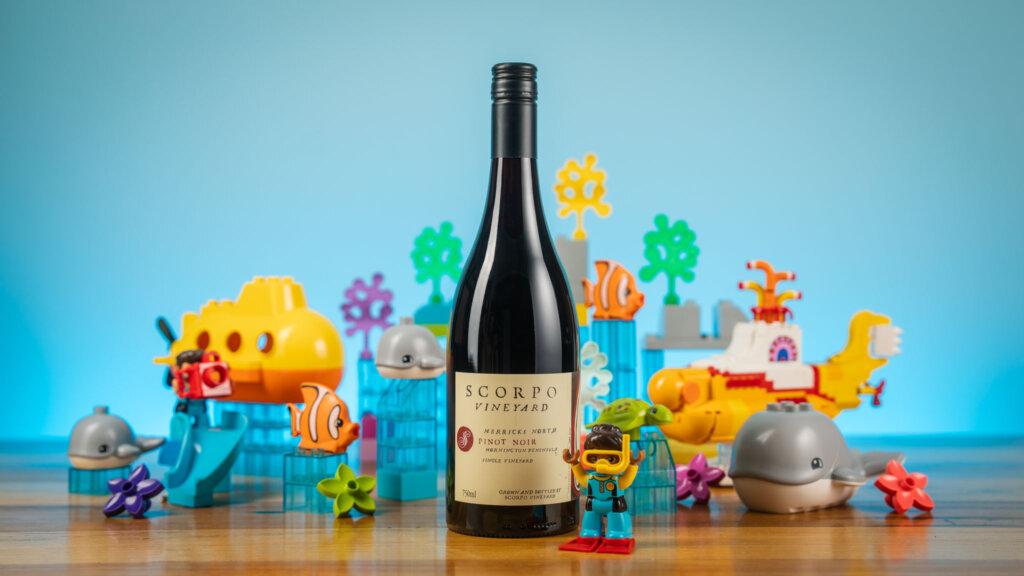
2025 Scorpo Vineyard Pinot Noir $55 RRP
Aylward picked this as part of his top six wines in the blind tasting. “Just perfect persistence of fruit, and excellent palate weight and length,” he observed. “This wine has been cropped low to achieve such intensity and concentration. There’s strawberry, cream, and vanilla from a gentle integration of lightly toasted oak. A tantalising wine that you need to sit with to enjoy the quality and craftsmanship needed to produce it.”
2025 Kerri Greens ‘Messire’ Pinot Noir $55 RRP
O’Kane included this in her top six selections from the blind tasting day. “Soft and round, with luscious red fruits – the cherry notes here go into maraschino territory,” she assessed. “Hints of cream and nutmeg indicate malolactic conversion and the use of some new oak. A strong backbone of compote-like primary fruit dominates the palate – all stewed berries, apples and plums – but the vibrancy of the wine indicates that it’s quite young, possibly a 2025 vintage. Good texture, too – soft yet gravelly. A generous, fruit-forward wine – some pinot drinkers might want more savoury nuance from it, but it’s straight-up delicious in its pure-fruited, almost confected way. There’s a spark here!”
Hermann named this among his top six picks in the blind tasting. “An explosive nose – super-floral notes of rosehip and fresh rose petals paired with fresh cranberry, loganberry, and wild strawberries,” he exclaimed. “Very cool! On the palate, it’s all fresh red raspberries, blueberries, and mulberry, with a savoury streak of rosemary herbaceousness. Pumice stone–like tannins frame the flavours all the way to the chalky finish. Simply put, this is rad pinot – love it!”
Aylward selected this as one of his standout six selections from the day. “A fantastic wine in general, let alone for Mornington Peninsula – the Burgundy I drank after the tasting, from a great hotel in Melbourne’s CBD, isn’t a patch on this,” he declared. “This pinot sings in the glass, indicating perfect maturity through the senses, so that flavour notes seem irrelevant. Any sip gives great persistence on the palate and drives through without oak or obvious fruit. This particular pinot is top-notch Australian wine – one that would rival any region or fruit source globally.”
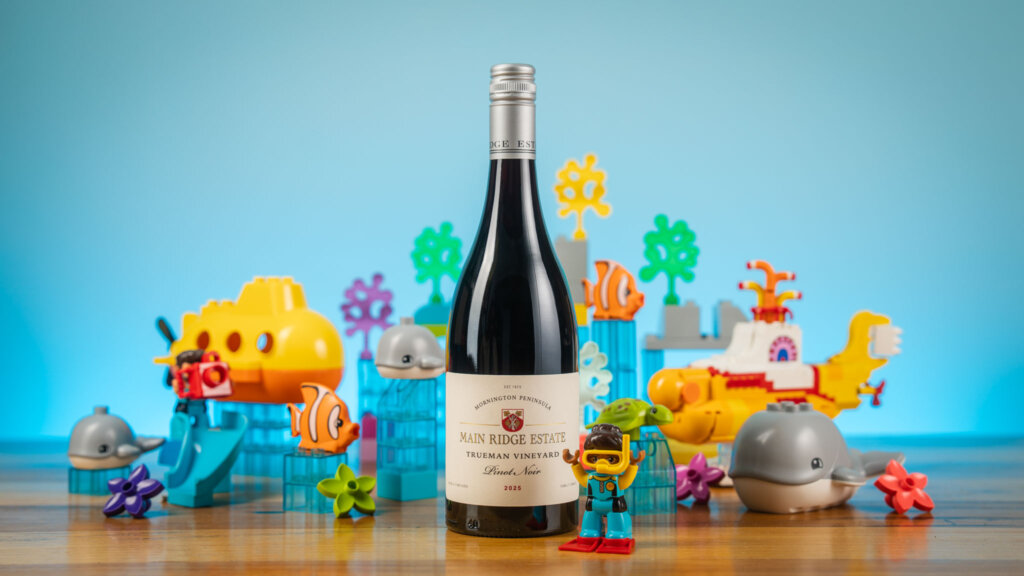
2025 Main Ridge Estate ‘Trueman Vineyard’ Pinot Noir $75 RRP
Mauritzen picked this for her top six wines in the blind tasting day. “Generous strawberries and cream on the nose, backed with some new-oak notes – a little sweetness of vanilla bean and cocoa,” she observed. “Really crunchy on the palate – enough green and tart red cherry notes to keep you interested. I’m super into this – it’s complex, spicy, and interesting.”
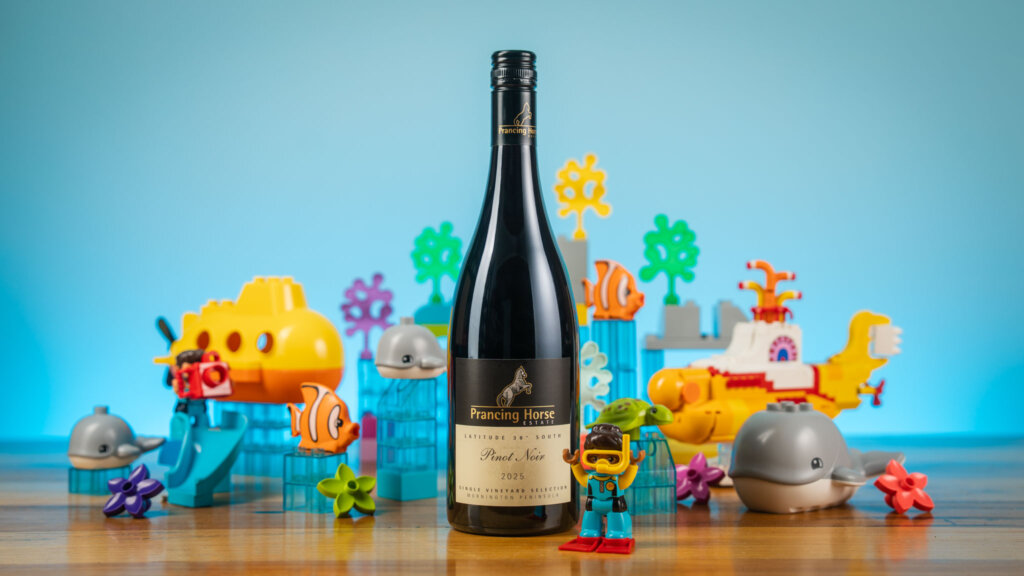
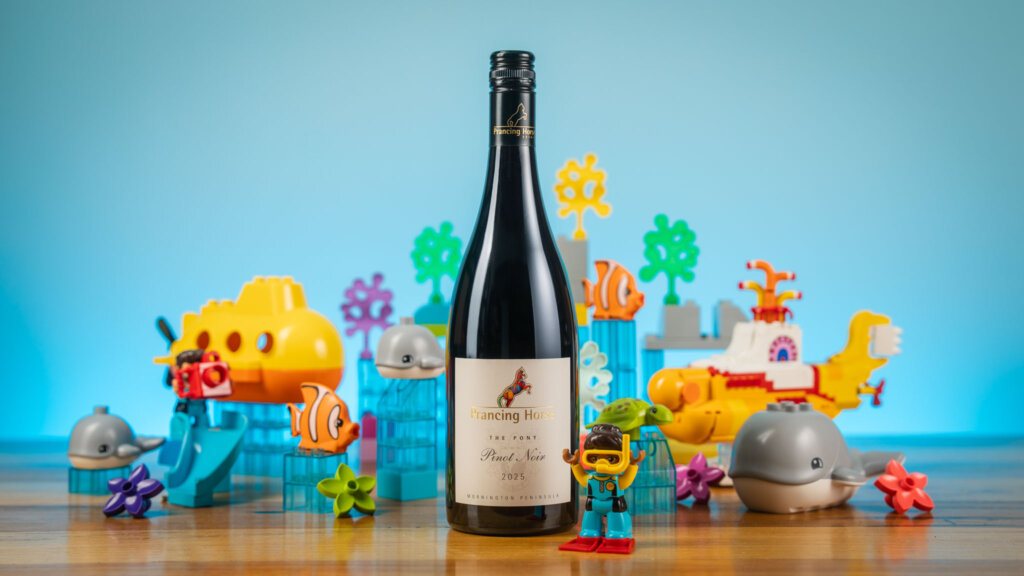
2025 Prancing Horse ‘The Pony’ Pinot Noir $50 RRP
Duffy included this among her standout six wines in the blind tasting. “Plush, delicious red berries and strawberries meet with fresh thyme, tarragon and vanilla bean on the nose,” she noted. “Well-integrated oak shows up as baking spice and toast notes. When married with the punchy fruit on show on the palate, that oak makes for a delightfully complex wine without sacrificing freshness or vibrancy. An appealing and easygoing example of what Mornington Peninsula pinot noir does best.”
Aylward chose this as one of his top six selections in the tasting lineup. “This wine shows a little more age and development in the glass, but is holding its character beautifully – demonstrating excellent cellaring potential,” he assessed. “Once the fruit loses its dominance on the palate, savoury characters emerge, creating layers of flavour and complexity that are incredibly rewarding. It has a lovely gamey character that I find especially appealing. I thoroughly enjoyed this wine and would happily drink another bottle any day – its evolution in the glass continued to reveal more nuance, making it a wonderful example of a mature pinot noir.”
The backstory
Mornington Peninsula is one of the ‘dress circle’ wine regions surrounding Melbourne, and it arguably has the best view – whether casting one’s eye back down the bay along the beachside suburbs to Melbourne and across to the Bellarine, or over the east side into Western Port Bay and to French Island, or more wildly out onto the Southern Ocean. That rich environment makes for many pleasure-seeking activities on the peninsula, and a good deal of fancy second homes, too. All of this gives the wine region a dose of glamour that is enhanced by some of Victoria’s best restaurants and cellar doors. And while they could coast along on this beachside conviviality, Mornington Peninsula’s winemakers have instead been cutting a very serious path, with quality and individuality the driving forces, and with pinot noir as the region’s most emblematic red variety.
“From when the vines wake up, to flowering and fruit set, and through to vintage time, there can be a difference of two or three weeks between different sites, so individual weather events and different seasons can affect every part of the Mornington Peninsula differently,” says Moorooduc Estate’s Kate McIntyre MW. “The different combinations of soils, aspect, altitude and latitude add up to many unique sites that express themselves through pinot noir in their own, diverse and special way.”
A little history
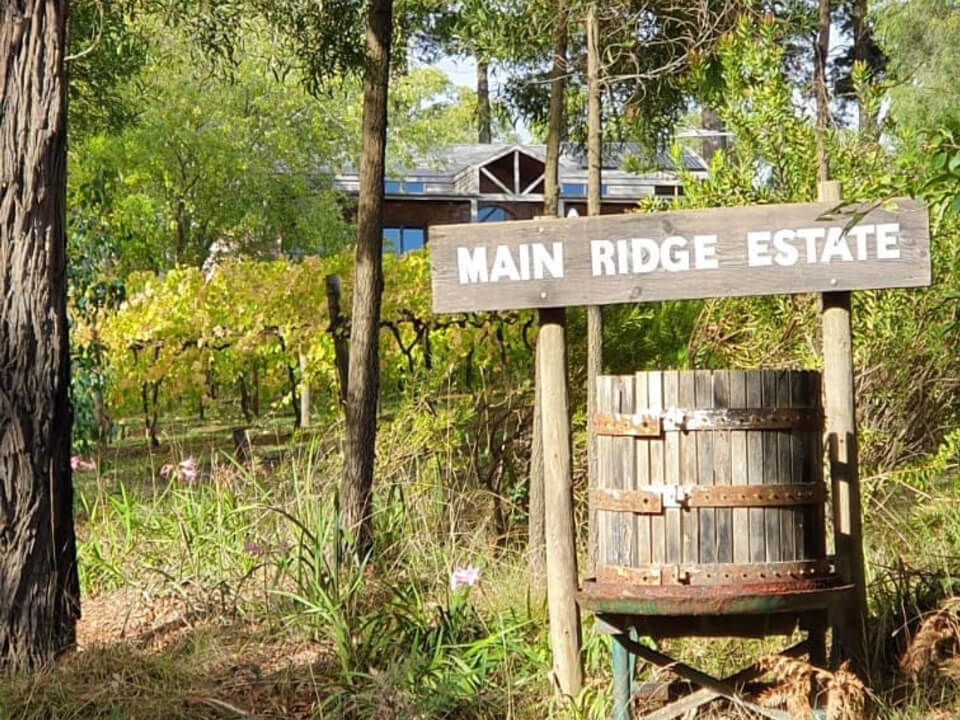
The first commercial pinot noir was officially planted on the Mornington Peninsula by Nat and Rosalie White when they founded Main Ridge Estate in 1975 on the site of an old lemon orchard – cabernet, riesling and pinot meunier also went into the ground. With an interest in Champagne, Brian Stonier planted the first chardonnay in 1978, with pinot following in 1982, the same year Garry Crittenden established Dromana Estate.
Pinot noir had been planted many years earlier, in the late 1930s, in a small plot at what is now Morning Star Estate. That vineyard’s fruit was likely intended for altar wine and personal consumption by the Franciscan monks whose monastery and boy’s home still stands today, albeit with the monks long gone, and it primarily employed as a wedding venue and contract vineyard.
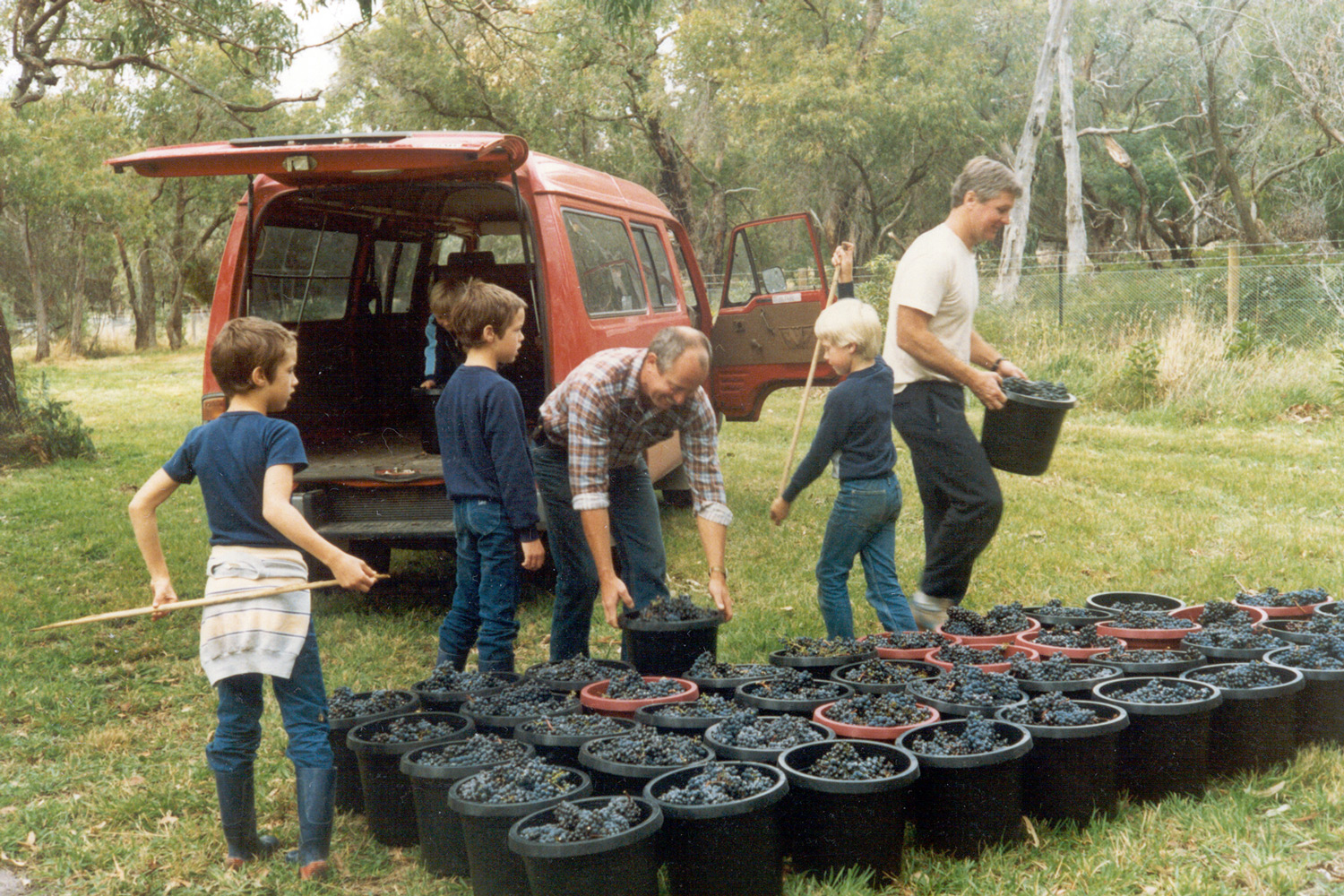
Opposite: Garry Crittenden planting vines at Crittenden Estate in the 1980s. Above: Grape harvest at Crittenden Estate, circa 1980s.
Those first pinot vines are still productive today, though it is unlikely that they were ever selected based on any predictions about suitability to the site, with it taking a considerable amount of time to properly identify the viticultural strengths of the region.
A false start
Like Tasmania, what has become one of this country’s key regions for the Burgundy pair of pinot noir and chardonnay started its modern life with a presumption that Bordeaux varieties (cabernet sauvignon, merlot et al) would be key to the region’s success.
On the Peninsula, the maritime climate and a supposed similarity in heat summation and the like were touted as being uncannily close to Bordeaux. A homoclime (similar climate), in other words, which has been a yardstick for selecting many New World vineyard sites, though a not an infallible one. Many early plantings contained some of the Bordeaux red varieties, though principally cabernet sauvignon, along with riesling, a buzz variety in the ’70s and early ’80s.
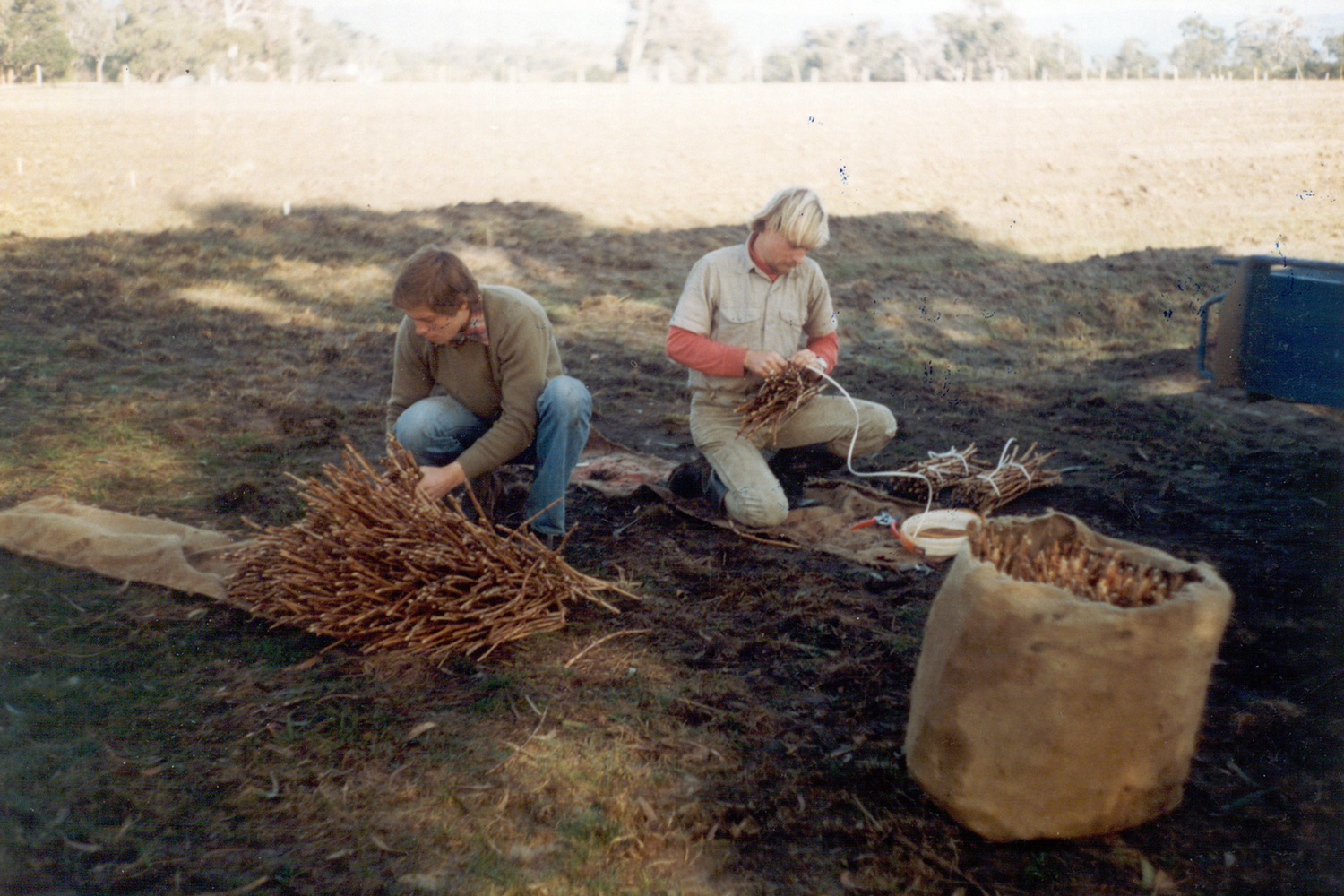
Above and opposite: The first commercial pinot noir was officially planted on the Mornington Peninsula by Nat and Rosalie White when they founded Main Ridge Estate in 1975.
Indeed, plenty of the early success of the region was on the back of cabernet sauvignon and blends, notably by Garry Crittenden, whose cabernet under the Dromana Estate label had considerable success in the 1980s, both being critically lauded and peppering restaurant wine lists in Melbourne as Victoria emerged again as a winegrowing force after decades of stalled output due to economic pressures at the start of the 20th century.
Crittenden, a horticulturist by trade, scouted for a Peninsula property in the early 1980s alongside surgeon Dr Richard McIntyre, who was also looking for a suitable site. The latter landed in Moorooduc, and the former in Dromana, and both planted their vineyards mainly to cabernet and family, though now are both (with the Crittenden family using the old vines but now their Family name on the label) acclaimed makers of pinot noir and chardonnay, with cabernet a fading memory.
Pivot to pinot
Pinot noir had never been outside the orbit of Crittenden and McIntyre, with a well-honed appreciation for the wines of Burgundy. But the data suggested that it would simply be too hot for the grape. That data proved to be incorrect, and the early evidence in their vineyards, along with the pioneering wines and mentorship of Nat White, guided a change of direction in the vineyard.
McIntyre had already devoted half his 2-hectare vineyard to chardonnay, with 160 pinot vines “just in case”, while cabernet sauvignon, cabernet franc and merlot made up the rest. The figures that Crittenden and McIntyre were relying on had been harvested from a hot, built-up area, and were a poor reflection of the prevailing conditions across much of the Peninsula.
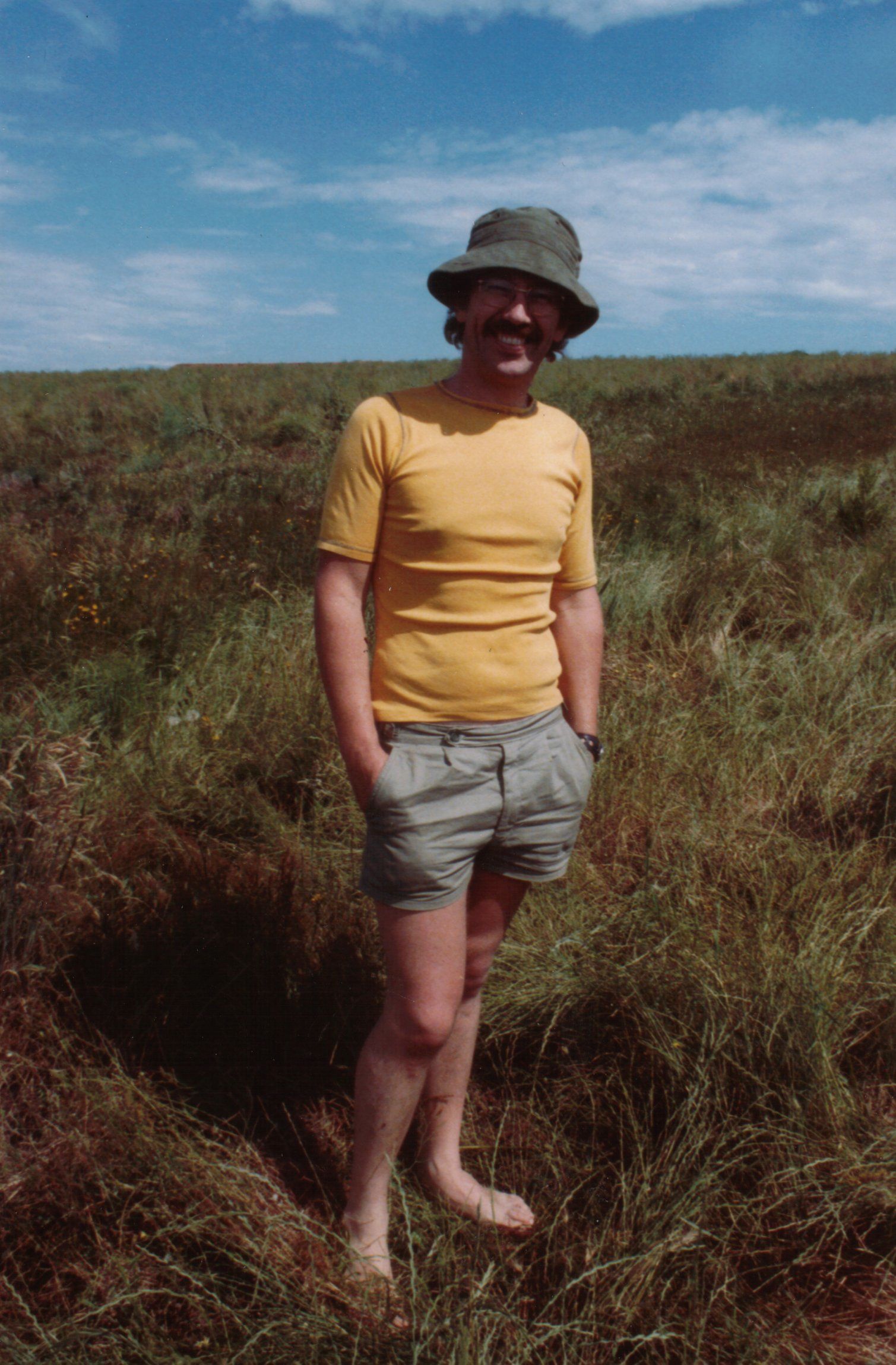
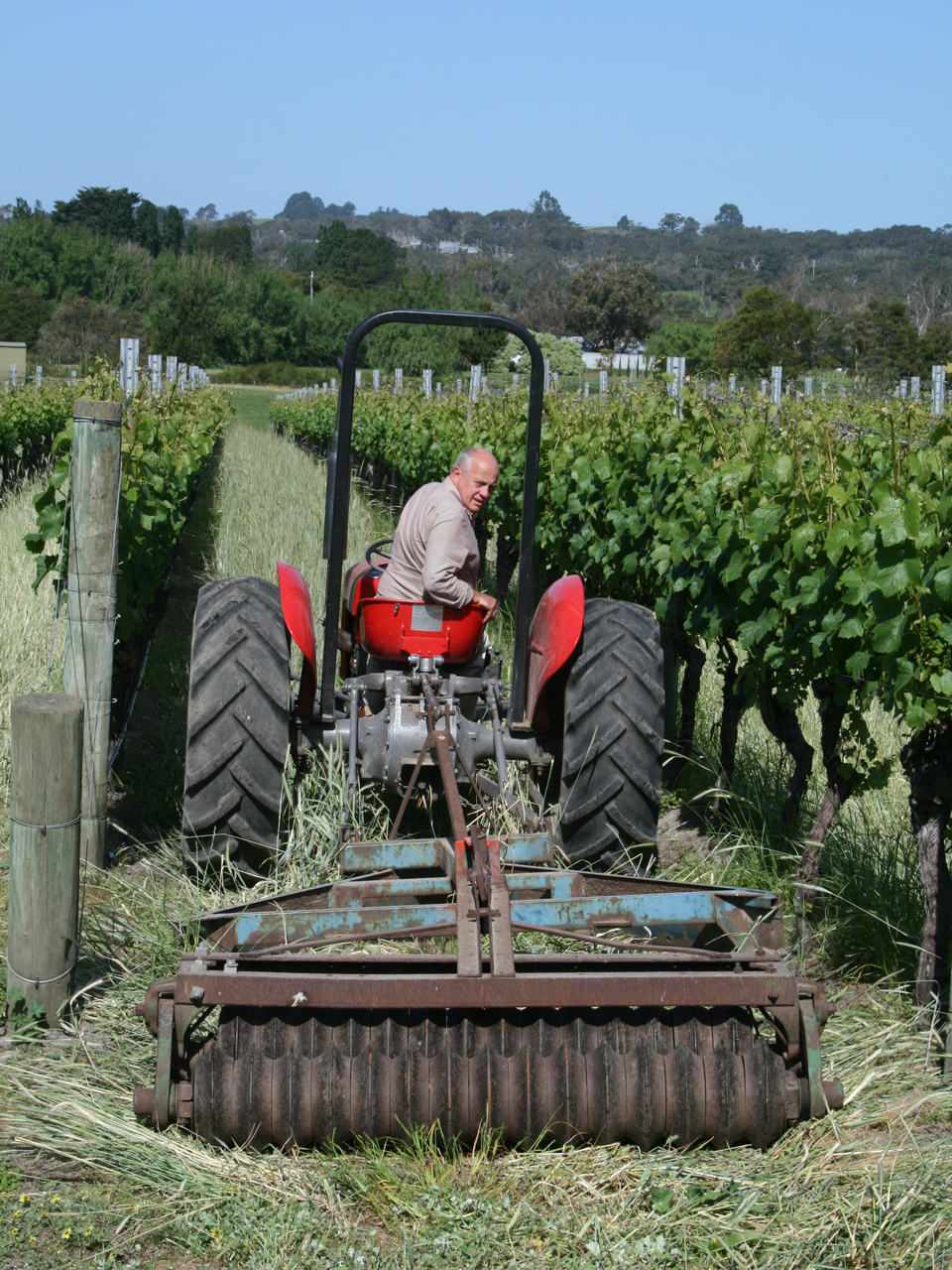
Above: Richard McIntyre in 1983 just before the first Moorooduc Estate vines were planted. He devoted half of his two-hectare Moorooduc vineyard to chardonnay, with 160 pinot vines “just in case”. Opposite: Garry Crittenden, a horticulturist by trade, working in the vineyard today.
The swift pivot to pinot and the resulting wines became pillars of Mornington’s success, alongside those of Main Ridge, Stonier, Eldridge and Paringa, amongst others, in helping to shape the vinous identity that we now all know so well.
“The different combinations of soils, aspect, altitude and latitude add up to many unique sites that express themselves through pinot noir in their own, diverse and special way.”
It was in the ’90s that significant growth began, with landmark estates like Kooyong and Yabby Lake being planted to pinot and chardonnay. Their success would begin in the 2000s, and further cement the reputation of the Peninsula as a premier producer of the Burgundy varieties.
Today, there are just under 1,000 hectares of vines on the Peninsula, with pinot noir accounting for about 45 per cent of production based on the tonnes harvested (Wine Australia data for 2021/22), with chardonnay at 31 percent (cabernet is not even a blip, although it can be a success in warmer sites and is still produced).
Small but detailed
“Despite its geographical compactness, Mornington offers significant diversity of style for pinot noir,” says Simon Black, winemaker at Red Hill South’s Montalto. “Vineyards can sit anywhere between sea level and up to around 200 metres elevation, affecting temperature and rainfall. The undulating hills and valleys mean vineyards are planted with the full gamut of potential site aspects, each with a unique mesoclimate and growing conditions.”
Like many youthful Australian wine regions, that exploration of site differences and mapping out areas of similarity to identify subregions is a critical one. Also like many regions, the borders employ existing political boundaries, with the edges blurring together, even if the generalities hold true.
Opposite: Simon Black, winemaker at Red Hill South’s Montalto, at our previous Mornington Peninsula Pinot Noir Deep Dive blind tasting. Above: Montalto’s vineyard and cellar door.
“In the more elevated Main Ridge and Red Hill sites, clay soils have greater water and nutrient status meaning the vines are usually more vigorous, requiring intensive canopy management to limit disease, ensuring good airflow and light interception,” says Black. “The lower lying subregions are generally composed of free-draining sandy loams. Canopies are often smaller, and care needs to be taken during warmer weather to limit exposure.”
Black notes that the higher sites, though the elevation is relatively modest, make distinctly fine-boned wines. “I tend to see more fragrant, delicate, red-fruited styles hailing from the Main Ridge and Red Hill sites, with darker fruited and more structured wines noted in the northern subregions, like Merricks, Tuerong and Moorooduc.”
“Vineyards can sit anywhere between sea level and up to around 200 metres elevation, affecting temperature and rainfall. The undulating hills and valleys mean vineyards are planted with the full gamut of potential site aspects, each with a unique mesoclimate and growing conditions.”
The complexities of soil, aspect, elevation and variations in exposure make for a rich diversity, and that is only enhanced by geography. “As opposed to other Victorian pinot regions, the defining thing is that we’ve got three bodies of water around us,” says Garagiste’s Barnaby Flanders, who has worked in the region for two decades, including at Moorooduc Estate.
The influences of Port Philip and Western Port Bays and the open ocean provide some advantages. “Proximity to the bays provides moderating influences of temperature and airflow, depending on the prevailing wind direction,” says Black. The effect on temperature by the bays is a welcome influence during the warmer seasons, and it’s a welcome frost preventer during the spring period.”
Drilling down
Flanders believes that the knowledge of growers is now very advanced, with a broad understanding of where works better for pinot than other varieties, and indeed which areas are not suitable for high-quality viticulture. It is this understanding, he believes, that is driving the quality ever upwards.
“We’re farming accordingly,” says Flanders. “If you’re on sand around Moorooduc and Tuerong, you’d be farming differently than if you were up in Main Ridge or Red Hill on volcanic soils. And that can be everything you put in the ground from clonal material to rootstocks to how you physically farm, and the work you need to do day to day. It’s quietly been happening for a while, but there are far more people now drilling down on it.”
“If you’re on sand around Moorooduc and Tuerong, you’d be farming differently than if you were up in Main Ridge or Red Hill on volcanic soils. And that can be everything you put in the ground from clonal material to rootstocks to how you physically farm.”
Flanders also sees a growing consumer awareness of those differences, where people are genuinely interested in the difference between say Tuerong and Merricks. “Then again, there are a lot of people that just think Mornington is Mornington and Yarra Valley is Yara Valley,” he says, noting that there is a general view of Mornington pinots being on the more fruit-rich side.
“I think Mornington pinot is definitely juicier than some of the other Victorian pinot regions, but behind that – depending on who’s making it – there is savouriness, structure and detail,” says Flanders. “But if you were to line up Geelong, Macedon, Yarra, Mornington and Gippsland, there is a juiciness, a fruit density, maybe power, that consistently sits as a defining factor for Mornington.”
Closing ranks
The established vineyards on the Peninsula now have the significant advantage of meaningful vine age. That has positive implication for viticulture with established root systems and better access to water, and it also pays off in the glass, with improved concentration, natural balance, tannin evolution and more character, when handled correctly. But the reality is that many of those vineyards would likely be planted with different clones, different densities and sometimes different orientations based on today’s knowledge.
“There have been more vineyards gong in over the last couple of years than the decade, decade and a half before that,” says Flanders. “But we’re not going to see the fruits of that for a few years. There are new growers entering in, but to see what’s good and what isn’t will take time.”
Above and opposite: Ten Minutes by Tractor's Spedding vineyard has been planted at over over 12,000 vines per hectare.
A key development is a foray into increased planting density. Martin Spedding at Ten Minutes by Tractor planted a high-density vineyard in 2017, while Sandro Mosele (who rose to fame at Kooyong) is due for his first commercial crop in 2023 from an ambitious project that saw him plant 10.6 hectares at 11,111 plants per hectare, with a third of the site panted to chardonnay and the lion’s share to pinot noir.
“High-density enables the vines to be deep-rooted,” says Mosele. “The vines compete, and the roots descend further rather than going laterally. Although there are more vines, there’s a much smaller yield – about the same as a conventional vineyard – and greater concentration of fruit and structure at a much earlier development in the vines’ life. You get more character and detail, and you get it much earlier. Plus, the stems lignify [go from green and sappy to woody] much earlier, potentially making them good candidates for whole bunch ferments.”
“High-density enables the vines to be deep-rooted. Although there are more vines, there’s a much smaller yield, and greater concentration of fruit and structure at a much earlier development in the vines’ life. You get more character and detail, and you get it much earlier.”
It’s early days for Mosele, but he is excited by the prospect of what those deep-rooted vines might express about his site, which is situated on the east side of the Peninsula in Balnarring. “We know these varieties work here, and that justifies us doing it – I wouldn’t do it anywhere else,” he says, noting that many wines on the Peninsula are more characterised by the climate, and are certainly distinctive, but the next step is to attempt to draw more character from the site itself.
“Some of the vineyards that are going in now that are of higher density will be the ones that we’ll be looking at to see if it elevates things,” says Flanders. “We’ll see if that density and new clones will make world class wine faster than what has been achieved so far with vine age. And I think they will.”
Young blood
Although in regions like the Yarra Valley it is becoming harder and harder to find fruit at a reasonable price for young makers to start their own endeavour, Mornington has become near to impossible to source quality grapes, and certainly for pinot noir. “It’s very hard for a start-up,” says Flanders. “If we were to start now, it would be cost prohibitive. Even if you had the money, the availability of fruit is very tight. It is changing, but mainly with multi-generational businesses that can be passed onto family members.
Opposite: Kevin McCarthy and Tom McCarthy, working together in the family business, Quealy Winemakers. Above: Kate McIntrye of Moorooduc Estate and Kathleen Quealy at a Young Gun of Wine Deep Dive panel tasting.
That generational change is often a collaborative one, with the hard-earned wisdom of the older but still very much active generation working alongside their often very much grown children to drive the quality ever higher. Good examples of this are at Paringa Estate with Jamie McCall as winemaker, alongside his father Lindsay McCall; Tom McCarthy at Quealy Winemakers with his Peninsula pioneer parents Kathleen Quealy and Kevin McCarthy; Rollo Crittenden at Crittenden Estate; and Kate McIntyre MW who has a broad ranging role at Moorooduc Estate under the title of business development manager.
“I feel the Mornington Peninsula is sometimes viewed as being a little older and less exciting than some other pinot regions. We are not seen as ‘cool’, and people sometimes miss the quality and originality of the wines, and the innovation happening here.“
“I feel the Mornington Peninsula is sometimes viewed as being a little older and less exciting than some other pinot regions,” says McIntyre. “We are not seen as ‘cool’, and people sometimes miss the quality and originality of the wines, and the innovation happening here. Maybe we need to talk more loudly about our quest for quality and diversity in this region. I have heard from some that there is a sense the region is resting on our laurels – and I don’t agree with this assessment!”
A bright future
With a generally vaunted reputation, Mornington Peninsula pinot noir is already in an enviable position, even without the significant advantage of tourism that its idyllic location and surrounds encourage. The foundation was laid long ago, and the wines have found their place around the country and indeed around the world, with many estates exporting broadly, albeit often in small quantities.
“The Peninsula has gone from strength to strength over the past few decades as we and our vines mature,” says Black. “There is a greater understanding of our vineyards and a greater knowledge of how best to capture quality. There’s always room for improvement and growth. Thoughtful and innovative viticulture and winemaking to capture the personality of what you think is the best expression of your site is key to the future.”
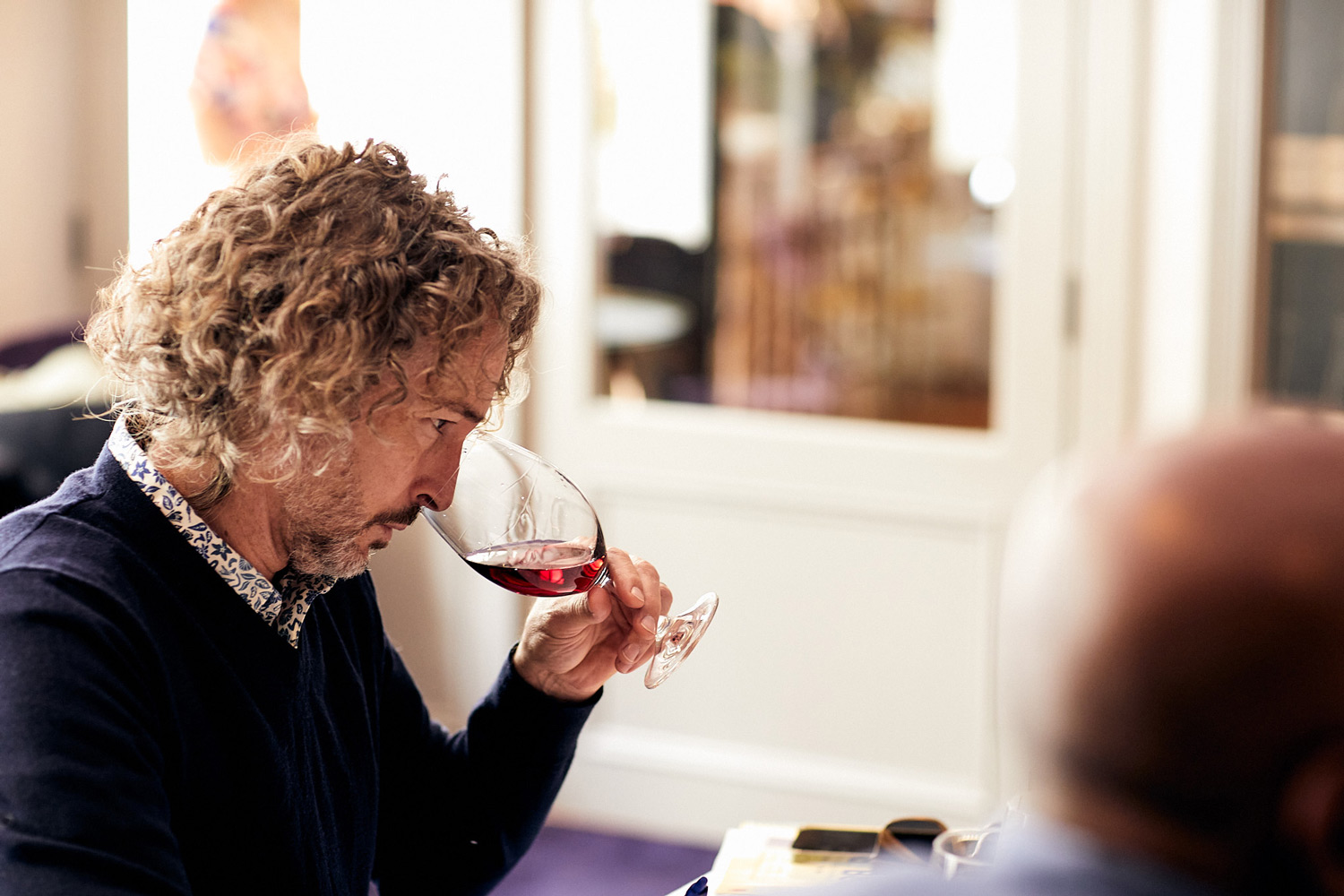
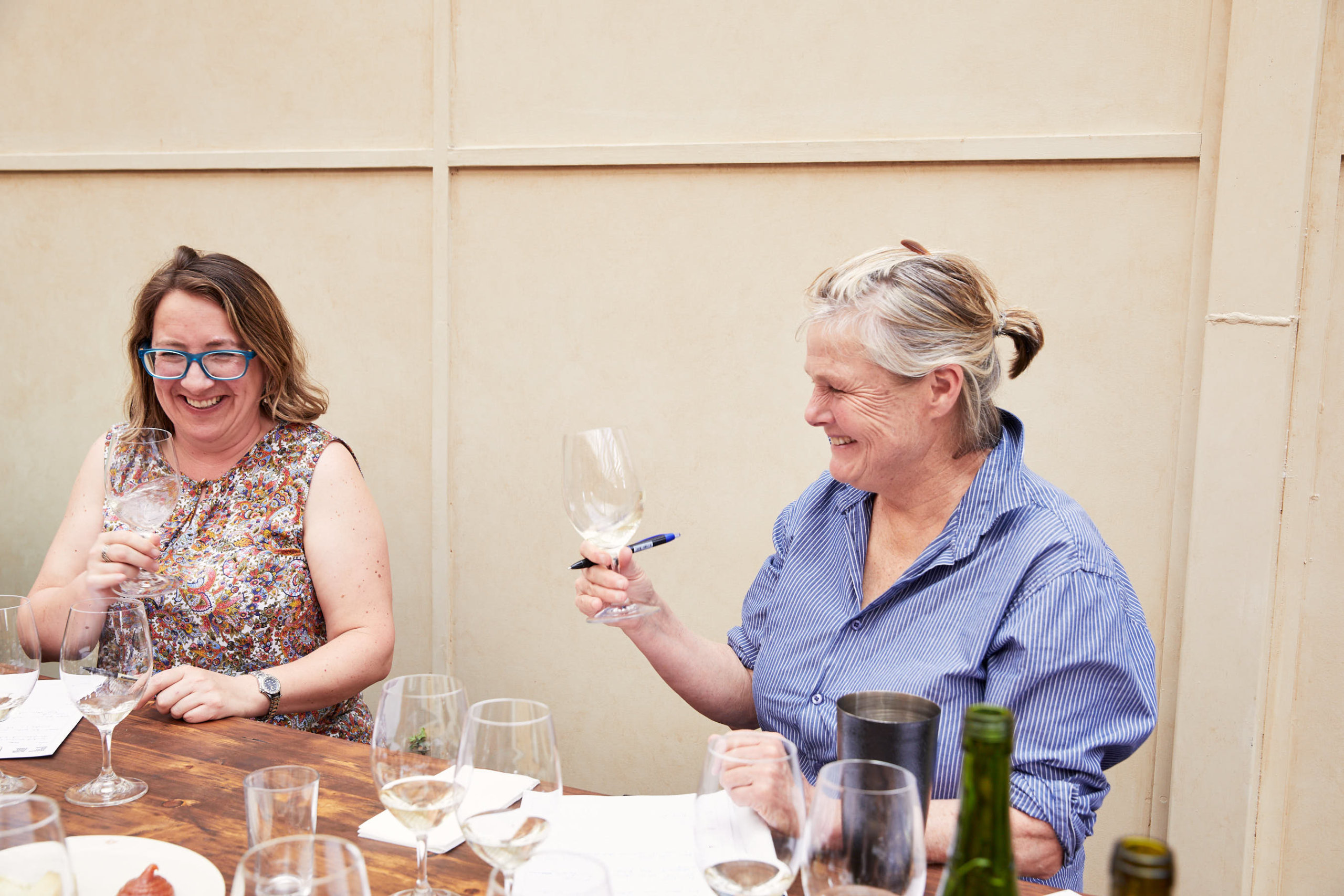
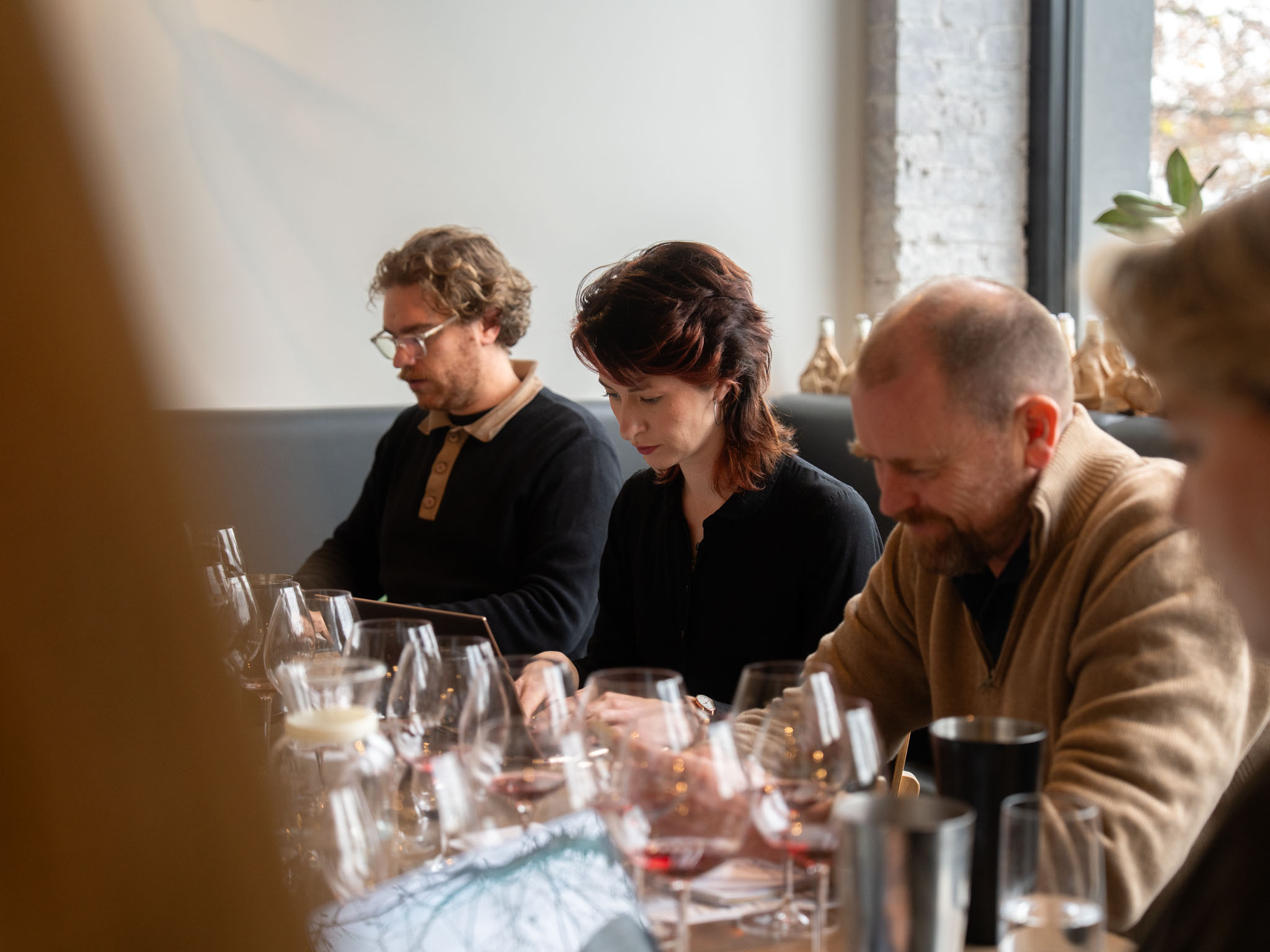
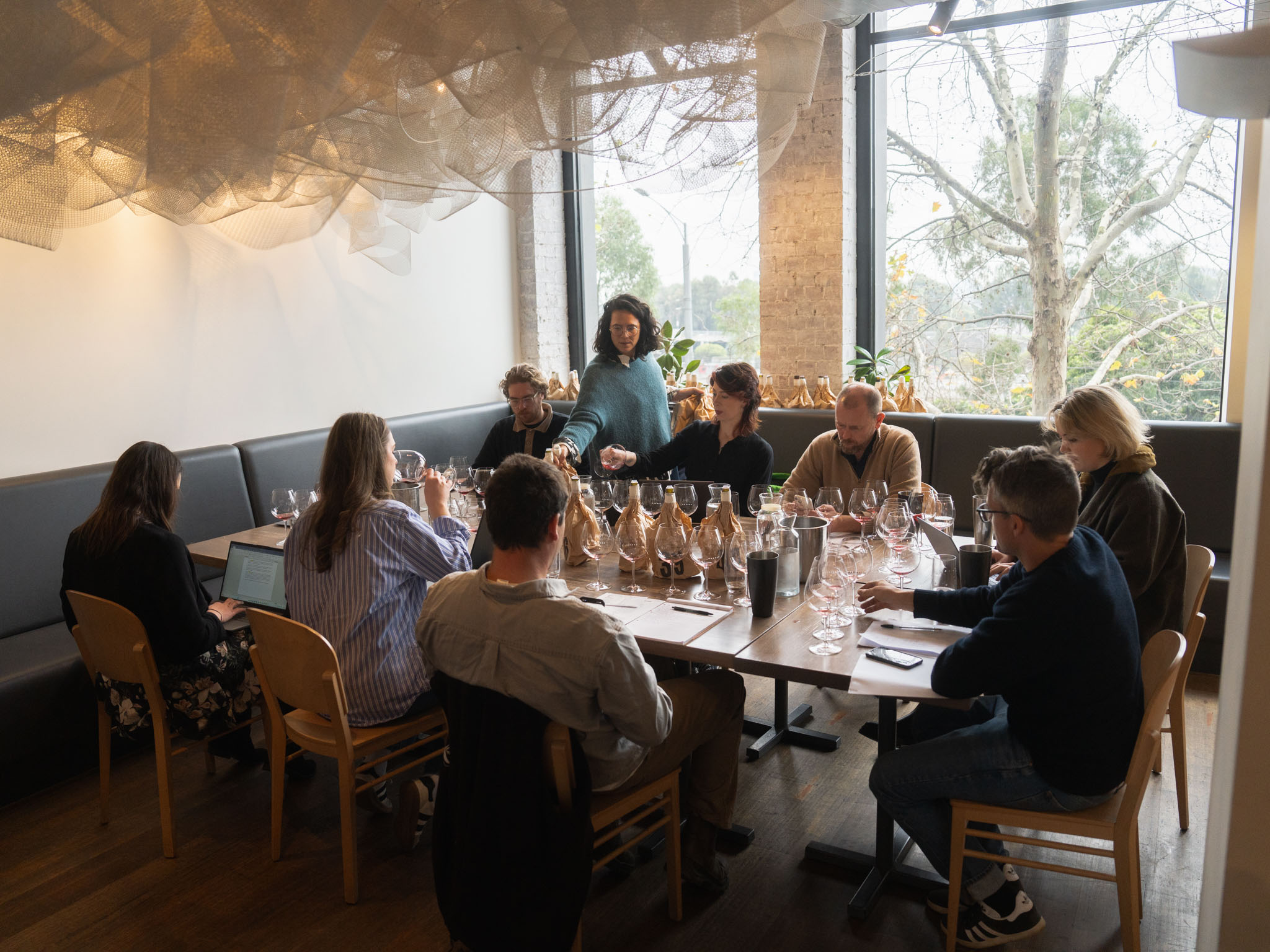
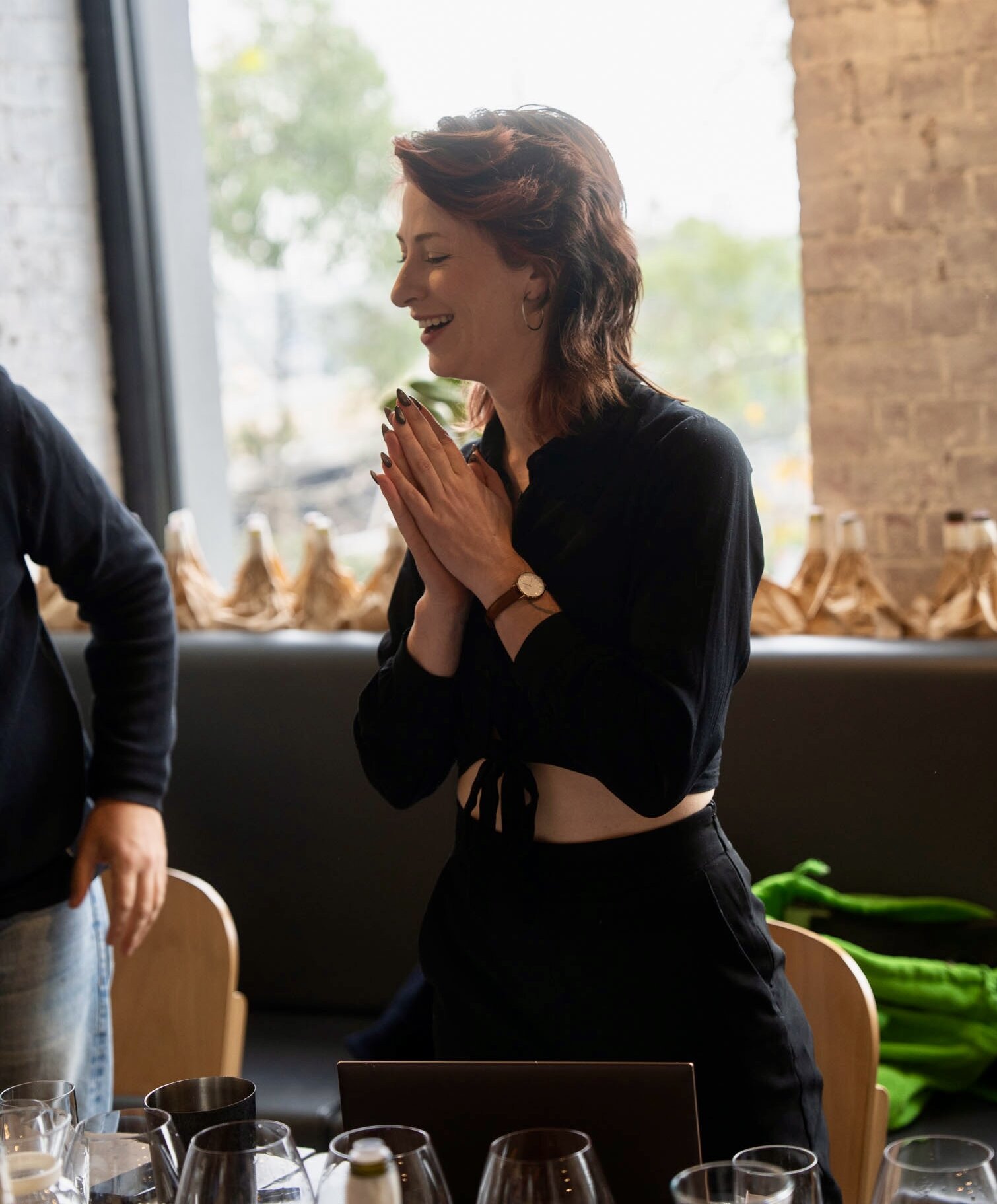
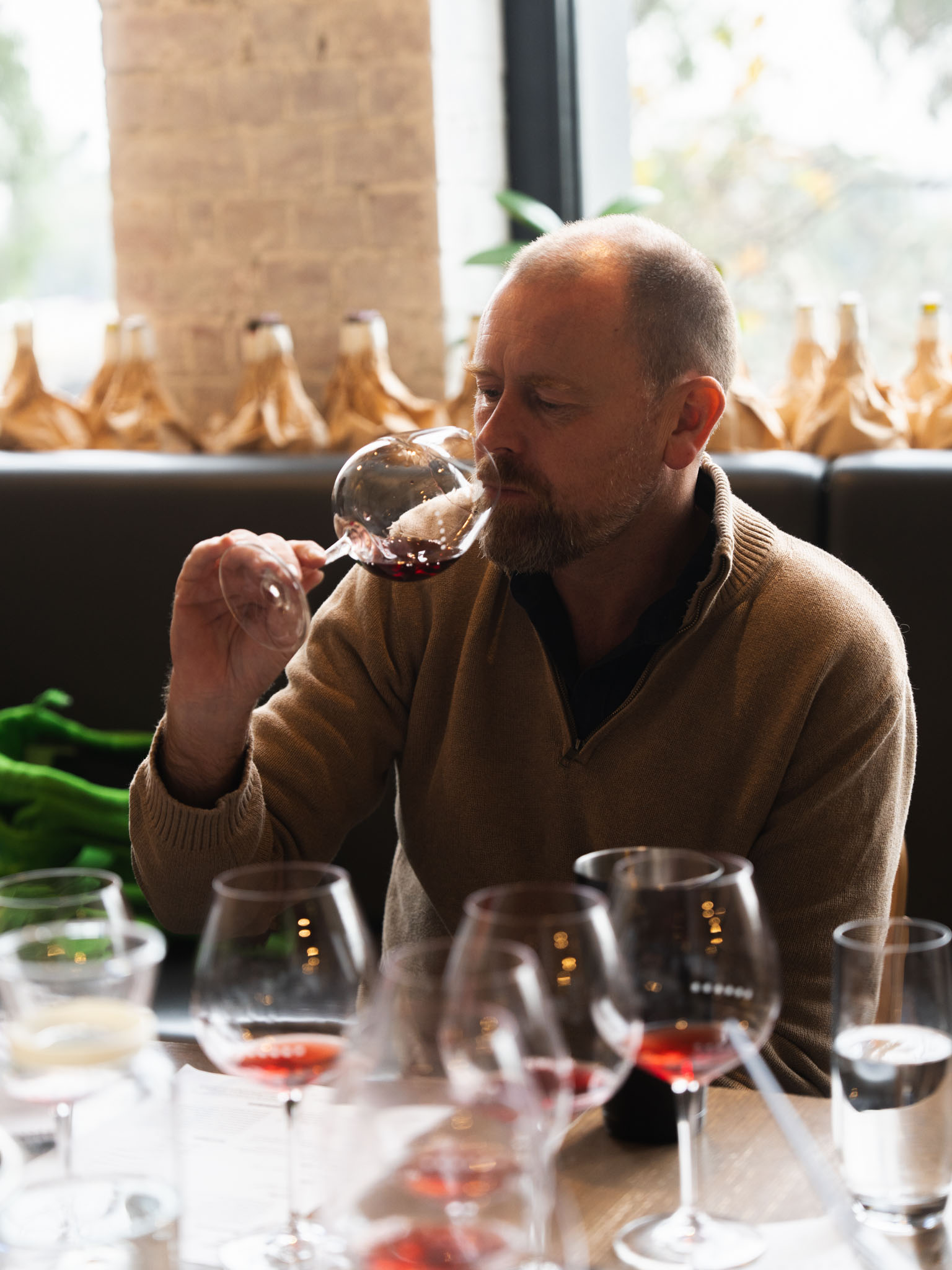
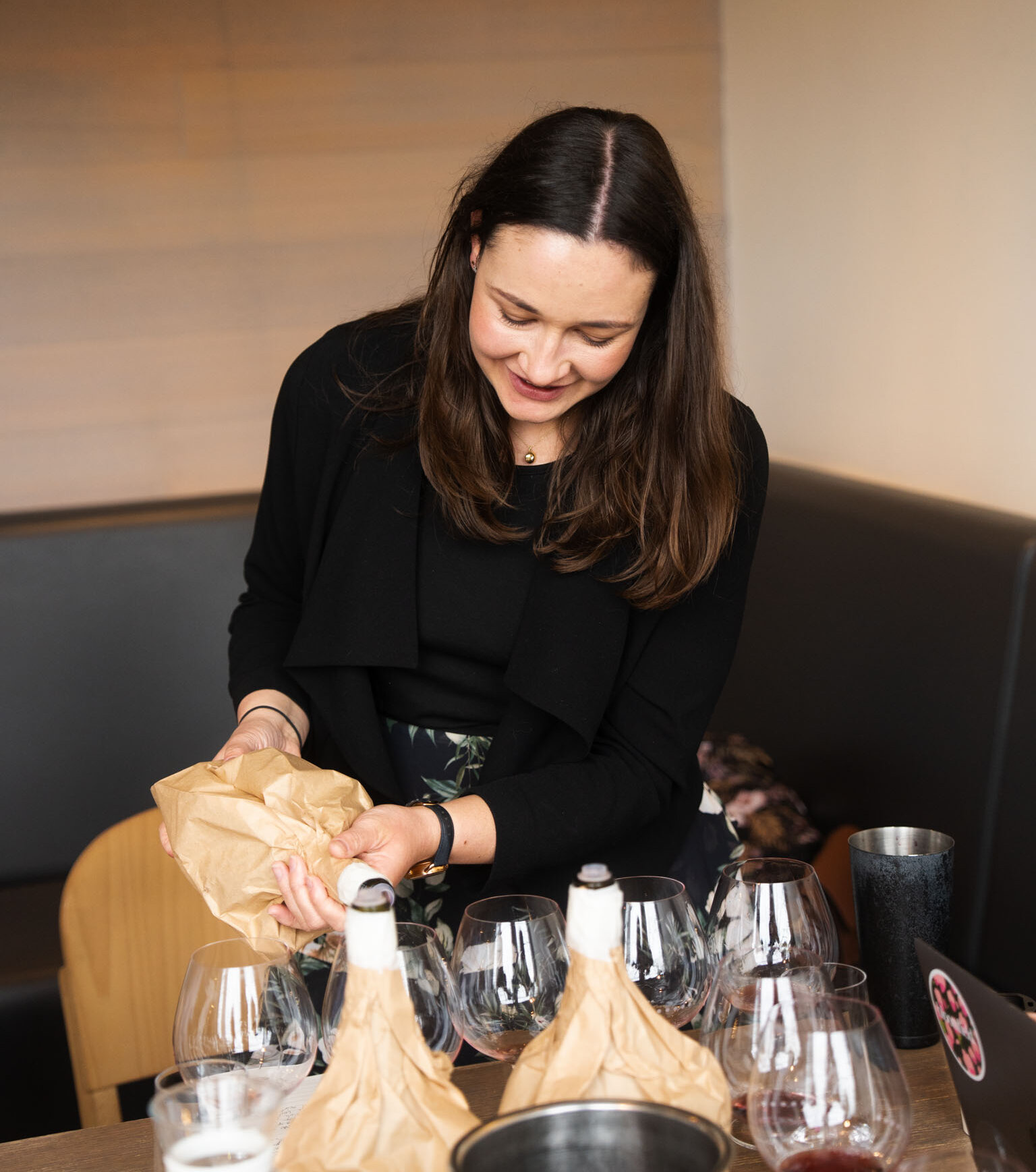
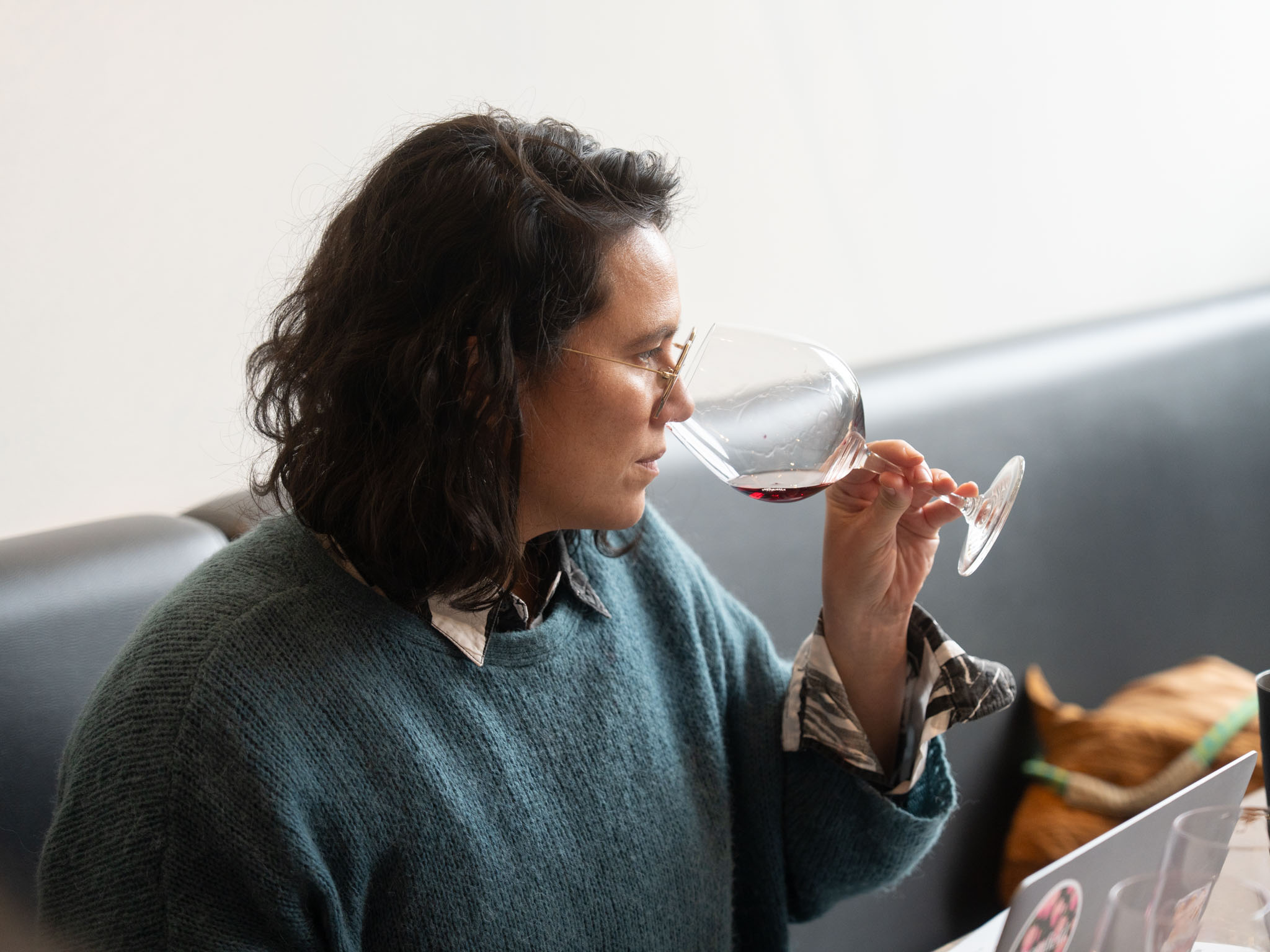
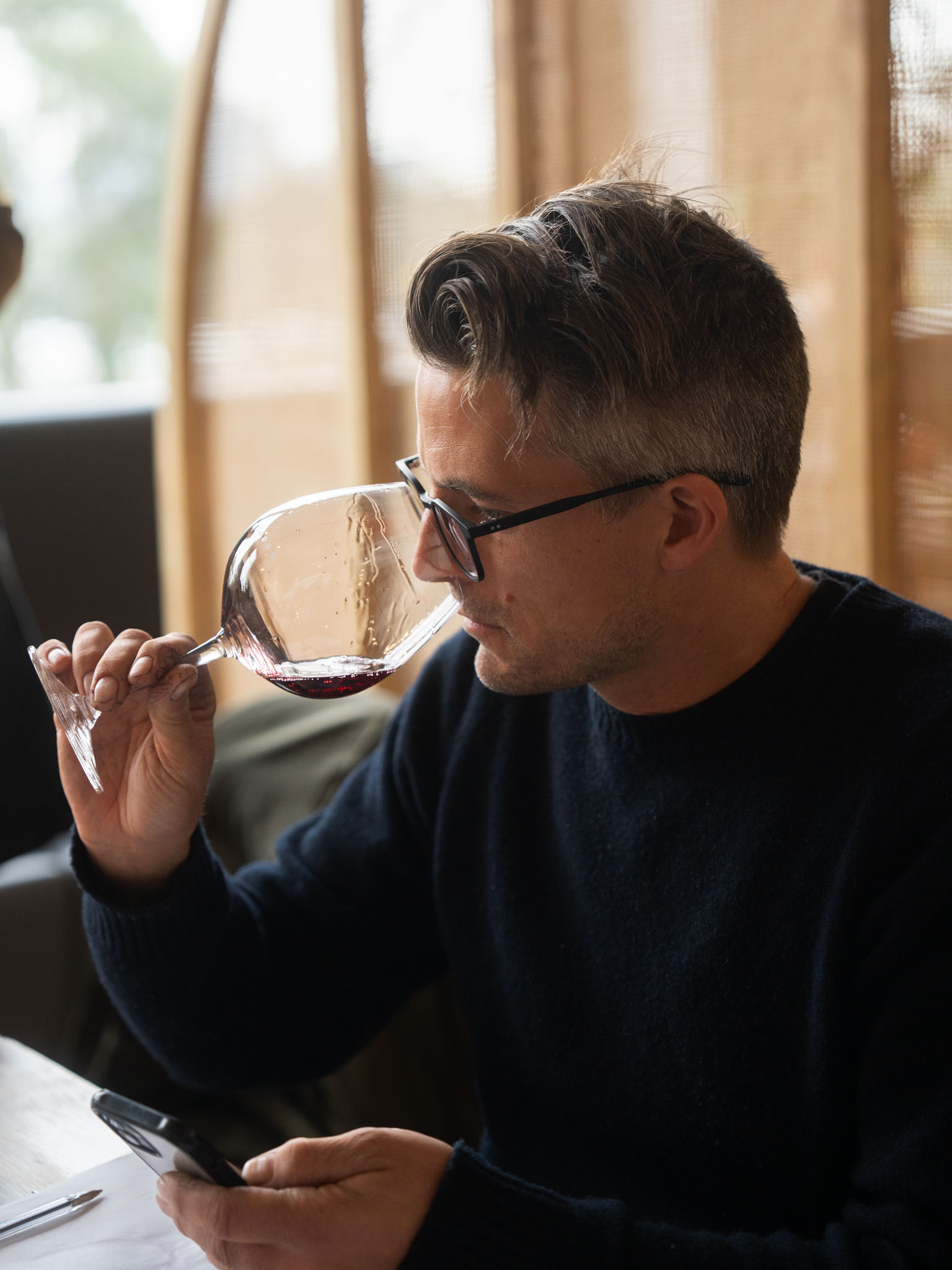
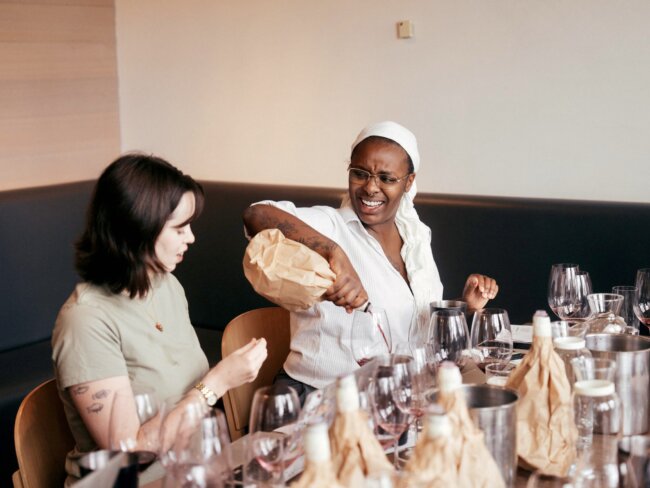
Above and opposite: Our expert panel gathered at Tonka, Melbourne CBD.
Outtakes from the tasting
We gathered every example of pinot noir from Mornington Peninsula that we could find and set our expert panel the task of finding the wines that compelled the most. All wines were tasted blind, and each panellist named their top six wines. Below are the wines that made the panellists’ top-six selections from the tasting.
Our panel: Mike Aylward, owner and winemaker, Ocean Eight; Kaspar Hermann, winemaker, Onannon, Rochford Estate, and Toolangi; Lucas Blanck, vigneron, Kerri Greens; Grace Jiranek, winemaker, Eldridge Estate; Jess Duffy, trainee winemaker, Moorooduc Estate; Sarah Hilliker, sommelier, Vespa Pasta & Vino; Sophie O’Kane, freelance sommelier; Noah Ward, wine communicator, Bottle Shock; Tully Mauritzen, freelance sommelier.
Aylward commenced the discussion by arguing that the differences between vintages of the wines showed more strongly than the differences between producers or sites. “The vintages stood out as the main differences between the wines,” he said. “Anything with age stood out – that was really quite pronounced. And then the ’25 vintage coming through – it’s still young, but it’s going to be a great year. They’re going to be fantastic wines – there’s a lot of power there. So that’s what came out of the tasting for me – vintage, rather than even up or down the hill.”
Opposite: Sarah Hilliker. Above: Mike Aylward.
Talk of the region’s traditional distinction between vineyards that are ‘up the hill’ or ‘down the hill’ lead to a discussion regarding whether more nuance might be required when communicating about where the region’s pinot noir wines are grown. “When you think about the peninsula and the way that it’s broken down – there’s not a huge amount of elevation difference, but there’s so many different pockets of aspects and elevation, and also soil types,” Hilliker said. “There’s all those different little microclimates – it’s really difficult to just talk about ‘up the hill’ or ‘down the hill’. You have to take that more focussed Burgundian approach – to unfortunately throw that comparison in there. This vineyard might be only one hundred metres away from that vineyard – but it’s going to be half a degree to a degree warmer or cooler. So you really have to treat them as completely distinct.” Aylward concurred: “It’s hard to simplify it to ‘down the hill’ or ‘up the hill’,” he said. “It’s very undulating, and the way that the winds come off the water, too, is different on every site, and every vintage is different. So it’s very hard to simplify the region like that – and I don’t think we should.”
“This vineyard might be only one hundred metres away from that vineyard – but it’s going to be half a degree to a degree warmer or cooler. So you really have to treat them as completely distinct.”
Duffy emphasised that vintages weren’t the only factor that created diversity within the wines of the region. “I feel like clonal variation is something that makes such a big difference that is really, really overlooked,” she said. “You can have a block of Abel clone growing right next to a block of MV6. The bunches, they look different. They smell different. The ferments are completely different. They show completely different characters. And yet these two rows of vines, they’re essentially in the same area – sure, maybe there’s a minute, microscopic microclimate difference. But really, they’re different grapes genetically – so they have so much different character, and it’s just something that is really glossed over in our industry.”
Above: Sophie O'Kane. Opposite: Jess Duffy.
O’Kane argued that while the region was geographically diverse, winemaker style offered some clear through lines in the tasting. “I definitely saw groups of wines that were almost chasing a style – whether they were chasing a style on purpose, or they just fell into the one style of pinot,” she said. “There were a few outliers, of course – but possibly two or three different styles emerged for me, without being asked to find them.” She added, “There was only maybe like one or two wines where I was like, ‘The way the fruit is presenting and the winemaking characters of what I’m tasting don’t really make sense.’ So that’s nice evidence that obviously the winemakers and viticulturists down there are really honing into what makes their region unique, and therefore matching winemaking decisions to that.”
“Obviously the winemakers and viticulturists down there are really honing into what makes their region unique, and therefore matching winemaking decisions to that.”
Ward agreed, and added that this might be the result of winemaking culture on the peninsula. “There was a lot of winemaking on show,” he said. “It is a relatively traditional region – when I think about Mornington, I think about that more robust style, a bit more medium-bodied rather than fragrant. But you can see this starting to shift in the range of wines here – there’s a lot of people playing with whole-bunch and fresher styles. I think there’s going to be a happy medium that develops over the next little while. So there’s that spectrum of so many different approaches and different winemaking techniques – but you can see parallels.” Aylward agreed, but added that winemaking decisions also varied significantly by vintage: “The ’24 vintage fruit was very brittle,” he said. “So when you were trying to process it and destem it, there was a lot of excess matter that went into the ferments that usually wouldn’t. So you can see that stemmy character is coming through as a vintage for the ’24s. Then with the ’25s, the integrity of the fruit was amazing. So you could destem and not have any excess matter in the ferments at all. So that’s why you’re seeing that ’25 is more jubey and rich and ripe.”
Above: Kaspar Hermann. Opposite: Noah Ward.
Hermann likewise saw a shift in the region’s general approach to winemaking. “The thing that stood out for me today was, by and large, the kind of lightness and brightness of all of the wines,” he said. “We looked at a lot of different vintages, obviously – but I would say that, as a collection, it probably showed a more pretty version of Mornington than what we would have seen maybe ten years ago. There’s a lot less extraction in the wines – they appear to be a lot more gently handled in general, which I think is to the benefit of making them very accessible, easy-to-drink wines.” He added, “You could see the oaky wines, you could see that that vintage variation was pretty evident, and there were a couple of quite bunchy wines in there – which were probably more about playing with whole bunches rather than vintage as well – but overall the quality standard was pretty high.”
“As a collection, it probably showed a more pretty version of Mornington than what we would have seen maybe ten years ago. There’s a lot less extraction in the wines – they appear to be a lot more gently handled in general.”
Mauritzen argued that the vintage variation seen in the line-up was an inherent byproduct not just of the region’s climate, but also of the resolutely small-scale wine economy of the region. “The fact that we do see vintage variation in the wines of Mornington so often is a nice story to tell,” she said. “The fact is that everyone there, pretty much, is a small producer that has very limited access to fruit – they work with things they work with. If, for whatever reason, that vineyard is not producing the right fruit that year, or there’s just something that goes wrong, that’s what you have to work with – you can’t just go, ‘Oh, you know what? I don’t need to be able to make this many tons of wine from here, so I’ll just pick from my neighbours, or go to the market, and then be able to fill the wine out with something that can at least produce some sort of house consistency of style that we want to make.’ I feel like there’s very few regions in Australia that have that kind of really genuinely small-batch, small producer, independent kind of story to them.” She added that while this small scale makes for an appealing narrative, it does make purchasing decisions harder: “It can be hard from a consumer point of view to go, ‘How do I know that if I’m spending $70 year-on-year for this particular pinot that I like, it’s going to be the same?’ And the answer is like, ‘Well, it’s not’.”
Above: Tully Mauritzen. Opposite: Lucas Blanck.
Blanck agreed that the small scale of the region’s growers and producers meant that producers had to lean into a more site-specific approach that some might call ‘Burgundian’ – although he registered an objection against the continual use of Burgundy as the measuring stick for all pinots worldwide. “There’s a lot of smaller producers who don’t have much choice – whether they’re classified down or up the hill – because they only have the one vineyard on their property, and they can only do whatever they can from that place. Maybe they’re going to have two different clones, and make a couple wines out of the vineyard, but it’s just whatever they can make out of that.” He added that while pinot noir is famously a difficult variety to grow, conscientious producers could make clever decisions to reduce the workload. “It’s a bitch to grow – and yeah, you’ve got to be quite hands-on sometimes,” he said. “But it is a vineyard in the end, and there’s a lot of things you can also not have to do, and don’t have to think about. You can let it do its thing, in its own way. and it can grow its own thing and become its own thing as well in the cellar as well. There’s not much you actually need to do, if you did the right thing at the start in your vineyards. And pinot noir is also very delicate, so you’ve got to be very delicate in the cellar. So you try to avoid it once it’s in a barrel, you don’t touch it until you put it in the bottle, basically.”
“It can be hard from a consumer point of view to go, ‘How do I know that if I’m spending $70 year-on-year for this particular pinot that I like, it’s going to be the same?’ And the answer is like, ‘Well, it’s not’.”
Jiranek linked the scale of the farming to another hot topic for the region – that of the price of finished wines. “The price is often more a reflection of the scale that we’re farming at as opposed to the quality we think our wines have,” she said. “Often it’s because we’re farming three hectares. So you’re paying for the joy of it being one person farming a small block, as opposed to it being a larger scale operation where – like you were saying earlier, Tully – you’re able to hide faults and things like that. I think it comes back to, are you willing to pay for more of a boutique style of winemaking? Rather than, are you willing to pay for quality? Those are two different things. If your values align with that, then yeah – great. If not, start with some cheapie pinots from elsewhere, because we don’t exist if we’re not charging that price.”
Opposite: Grace Jiranek. Above: Our tasting in progress at Tonka, Melbourne CBD.
In response to this, Hilliker observed that while Mornington Peninsula pinot noir isn’t often cheap, it can often be good value. “If you’re working as a somm, or working in a bottle shop, or customer facing in the Australian market, this is something you can talk about,” she said. “Yes, Mornington Peninsula pinot is generally a premium product, as is Burgundy – but when you compare Peninsula pinot to Burgundy and look at things that are of the same price, per volume, you’re not looking at the import taxes. You’re not looking at, you know, all of the fees that the importer is putting onto that bottle. You can get just really incredible quality local products for the same price point as a Burgundy – and it’s probably going to outperform that Burgundy, because it’s a local commodity and you’re not paying all those actual taxes and fees on an import.”
Above and opposite: Scenes from our tasting at Tonka, Melbourne CBD.
The Panel
Mike Aylward leads his family winery, Ocean Eight, with an unwavering dedication to cool-climate winemaking. From the volcanic soils and ocean breezes of Red Hill on the Mornington Peninsula, Mike and his team craft wines of precision, purity and poise, each bottle a true expression of the region’s character. Guided by family heritage and driven by innovation, his wines reflect the balance between nature, craftsmanship and time. He was the recipient of the 2011 Young Gun of Wine Award.
Kaspar Hermann started his career at Seville Estate in the Yarra Valley in 2004. In 2005 he traveled to Southern Italy and worked at Viticoltori de Conciliis in Campania. Returning to Australia, he worked at Coldstream Hills and Punch (formerly Diamond Valley) as the assistant winemaker. While at Coldstream Hills he launched the collaborative chardonnay and pinot noir label Onannon with fellow winemakers Will Byron and Sam Middleton, which swiftly developed a focus on Mornington Peninsula wines. He moved to a winemaking role at Mount Mary in 2011, where he honed his craft on some of the country’s most exalted pinot noir and chardonnay wines while completing a Bachelor of Wine Science at Charles Sturt University. He became the chief winemaker at Rochford Wines in 2019, a position he still holds, and has most recently amicably left the Onnanon project to focus on the Toolangi vineyard and wine label.
Lucas Blanck grew up at Domaine Paul Blanck in Alsace – one of that region’s most respected family estates – before a vintage in Australia in 2010 led to a life on the Mornington Peninsula instead. Kerri Greens, the label he runs with his wife Alyce, launched in 2015 and has grown from a single-vineyard chardonnay into a range spanning riesling, chardonnay, pinot noir, sauvignon blanc, rosé and a small clutch of aromatic and experimental wines. A grower-maker in the truest sense, Blanck leases and farms four vineyards across Red Hill South, Balnarring and Tuerong with organic practices across all sites (not certified). He was the recipient of the Vigneron trophy at the 2026 Young Gun of Wine awards.
Grace Jiranek’s winemaking experience started by osmosis from a young age, hailing from the wine-heavy state of South Australia and growing up with a professor of wine microbiology as her dad. During a European gap year in 2015 she accidentally stumbled upon the VinExpo in Bordeaux, and this ignited her first genuine interest in pursuing a career as a Viticulturalist and Oenologist. As a result, Grace changed her University course preferences and commenced a Degree with Honours in Viticulture and Oenology at the University of Adelaide. Her part time university job at Penfolds Magill Estate and then her first job with Brian Croser at Tapanappa in the Adelaide Hills provided the perfect grounding and training. Recognising her love for cool climate wines, Grace made the move to the Mornington Peninsula in 2020 and has since worked at Stonier and Ten Minutes by Tractor before commencing work as the vineyard manager and winemaker at Eldridge Estate alongside consulting winemaker Steve Flamsteed.
Jess Duffy is a current winemaking student and trainee winemaker at Mornington Peninsula producer Moorooduc Estate.
Sarah Hilliker has worked in hospitality since 2011 – but didn’t find wine until 2019, while at Treviso Bar & Dining, where she worked as the bar manager and also eventually became the wine buyer. During her four years at Treviso, she completed both the Wine & Spirit Education Trust (WSET) Level 2 Award in Wines and Level 3 Award in Wines. She landed her first sommelier position at Kisumé in 2023, and completed the Introductory Sommelier Certificate and Certified Sommelier Certificate with the Court of Master Sommeliers (CMS) during her time there. She took the position of Venue Manager at Bijou bottle store at the start of 2025, where she also headed up the wine program and ran training sessions for the four venues in the Gin Palace hospitality group. She has recently moved to a new Yarra Glen venue, Vespa Pasta & Vino, where she works as the venue manager and hopes to curate an Italian- and Yarra Valley–focused wine list.
Sophie O’Kane most recently worked as the head sommelier and venue manager for Julie Restaurant in Abbotsford, Melbourne.
Noah Ward DipWSET joined Unico Zelo in 2017, when they first opened their cellar door in Gumeracha. Since then, he’s worked in pretty much every aspect of the business – at the cellar door, in the winery, on social media, and in marketing and sales. He now looks after global distribution of Unico Zelo’s wines, alongside a burgeoning portfolio of imports – in addition to being one of the hosts of Bottle Shock, Unico Zelo’s YouTube channel dedicated to wine education. He completed his Wine & Spirit Education Trust (WSET) Level 4 Diploma in Wines and Spirits in 2025.
Tully Mauritzen DipWSET is a freelance wine professional who developed a love for wine through her time in hospitality. Since then, she has worked her way through sales and buying roles while undertaking the Wine & Spirit Education Trust (WSET) Level 4 Diploma in Wines and Spirits, and is now chasing her passion for Australian wine through harvest and winemaking experience. She is an enthusiastic advocate for Australian wines, and has a passion for communicating the quality and value of these wines on an international scale.
GET FIRST ACCESS TO THE NEXT WINE ICONS – DELIVERED
The Sicilian red wine variety nero d’avola first landed in Australia relatively recently, with the first vines being planted in 2001. In the two and a half decades since, it has grown from a curio planted by adventurous growers to a fixture in the minds of growers, makers, and drinkers alike, with the number of plantings and bottled expressions expanding exponentially. And not without reason – it thrives in the kind of hot conditions that can turn shiraz into raisins, uses about half the water of other grape varieties, and hangs on to its acidity well as it ripens. It also happens to make exceptionally approachable juicy, fresh, and fruit-forward wines – perfect for Australian drinking culture. The nero d’avola train shows no sign of slowing down any time soon – so we thought it was time to once again take a Deep Dive.
With six of the brightest wine minds in attendance, and 36 wines carefully selected and decanted for this blind tasting, we set out to get a better image of where the grape currently stands in an Australian context.
The Mornington Peninsula has become firmly entrenched as an epicentre of chardonnay and pinot noir, duelling with the Yarra Valley for top billing in Victoria. The 2020 Young Gun Top 50 features some makers anchored in the Mornington Peninsula, as well as those that have roamed there from other regional bases, with micro makers and some of the most established names.
Subscribe to our newsletter
Young Gun of Wine is your shortcut to cutting edge wines, the places to go, and the people behind it all.
Subscribe to be amongst the first to know of our latest discoveries in wine.
We'll bring you the inside running from the growers, the makers, the wholesalers, the retailers and the sommeliers, too.