Touriga nacional is Portugal’s most cherished red grape variety, and one that many Portuguese makers would argue deserves the same level of respect as any of the better-known ‘noble’ varieties of France, Italy, or Spain. Its unusually small berries act as a natural handbrake on yields, leading to wines of impressive concentration, strong tannins, and exuberant fruit character. Yet this potential to make exceptional wines has historically been hampered both in Portugal and Australia by its association with now-unfashionable styles of fortified wines. With small parcels of touriga nacional scattered widely across Australia’s different growing regions, is it time for Australia’s growers and makers to look more closely at the potential for – and the potential pitfalls of – this highly distinctive variety? We took a Deep Dive to find out …
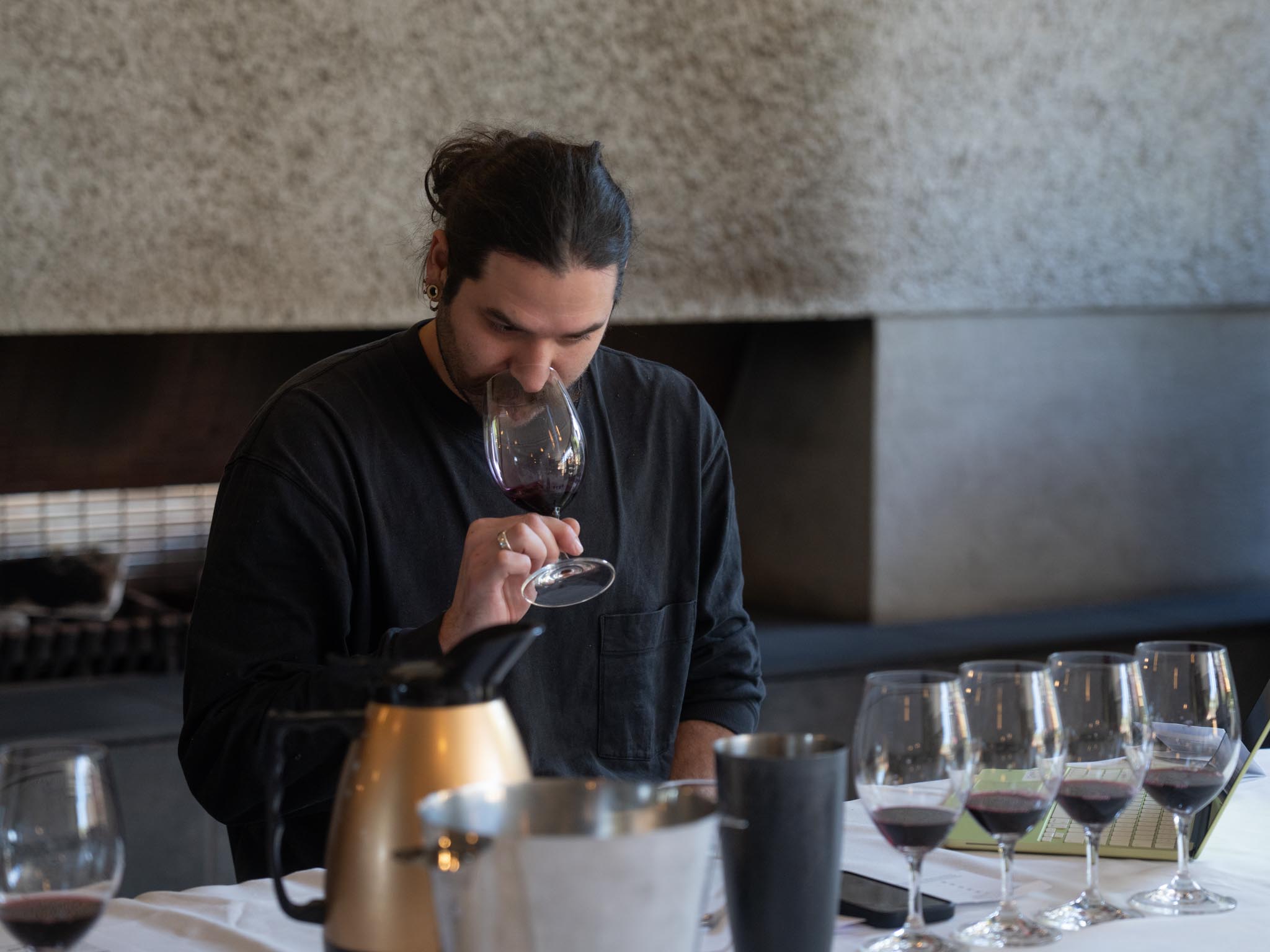
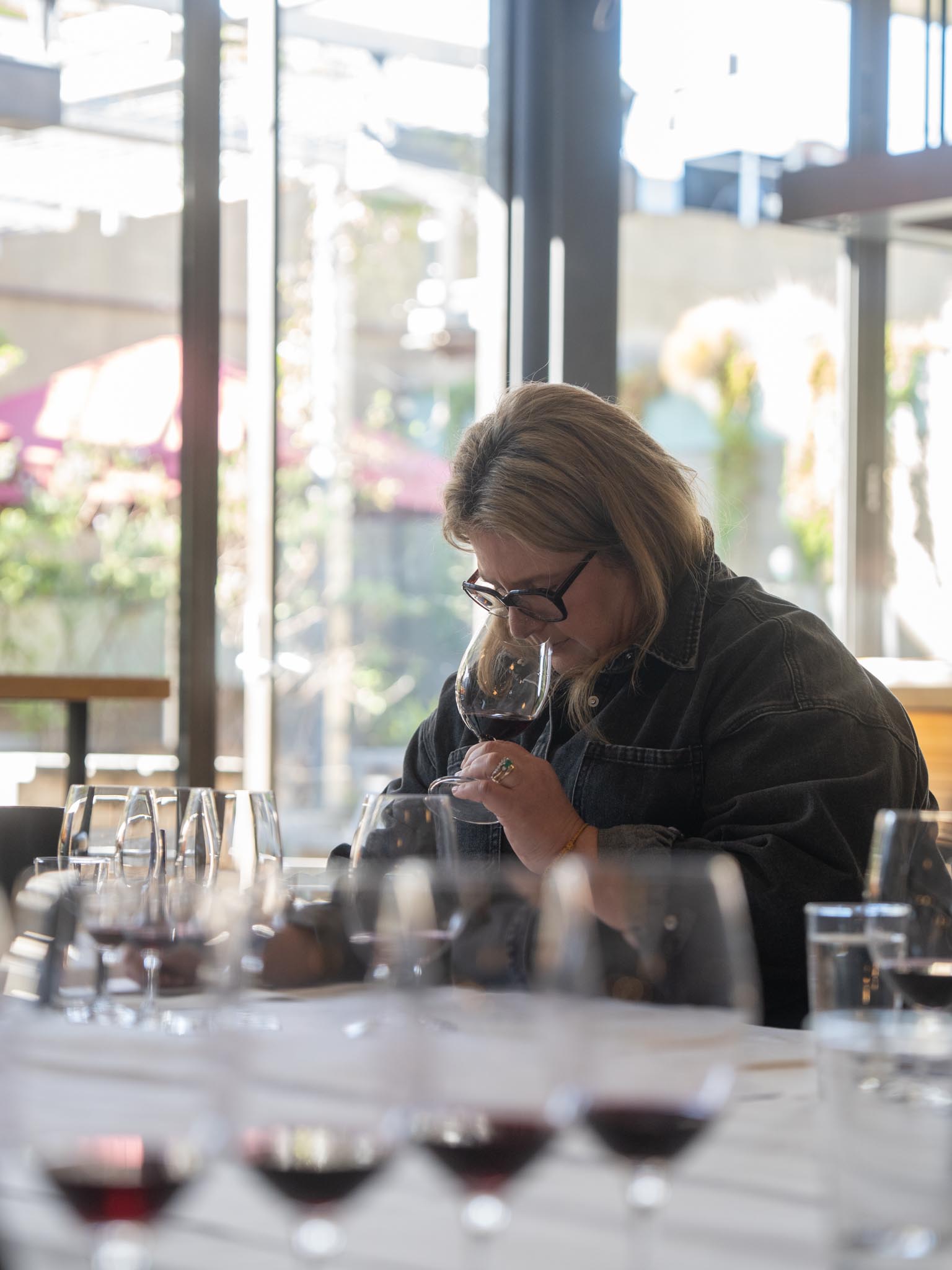
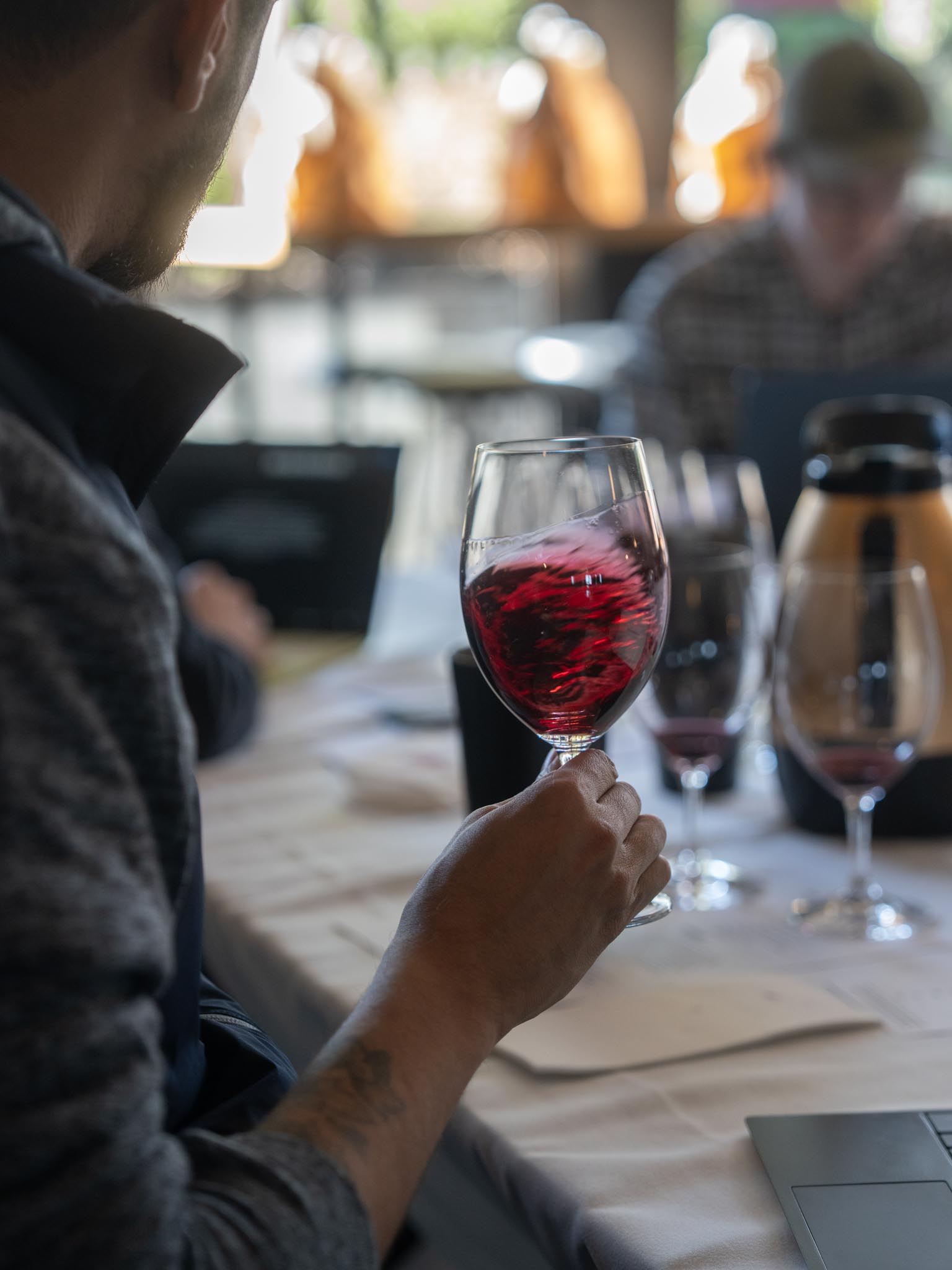
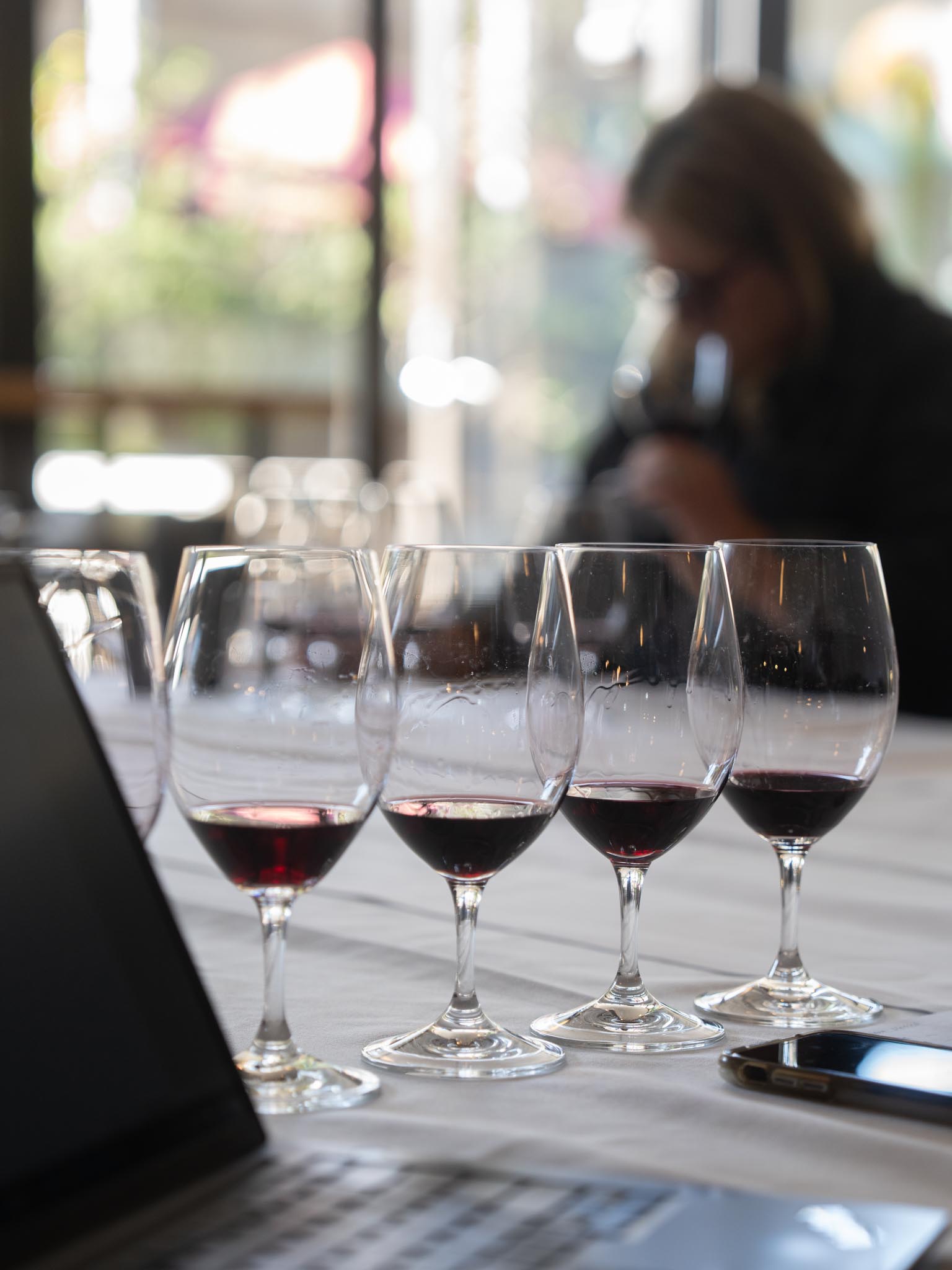
We gathered every example of Australian touriga nacional – made as an unfortified table wine – that we could find and set our expert panel the task of finding the wines that compelled the most. All wines were tasted blind, and each panellist named their top six wines. Below are the wines that made the panellists’ top-six selections from the tasting.
Our panel: Liam Heslop, vigneron, Heslop Wines; Bonnie Spain, head sommelier, Navi; Jarryd Menezes, sales representative, Alimentaria; Erena Crowley, wine merchant, Barwon Heads Wine Store and winegrower, Nurringa Park; Soma Déak, co-owner and wine buyer, Glovers; Luke Carlin, sommelier, Navi.
From the Deep Dive
Discover more in The Outtakes below.
Discover more in The Outtakes below.
Discover more in The Outtakes below.
The Top Wines
This isn’t an ordered countdown. There’s no ranking – just the top six wines each panellist found most compelling from the blind tasting, in all their different ways. Everyone’s palate is different, and that’s the point.
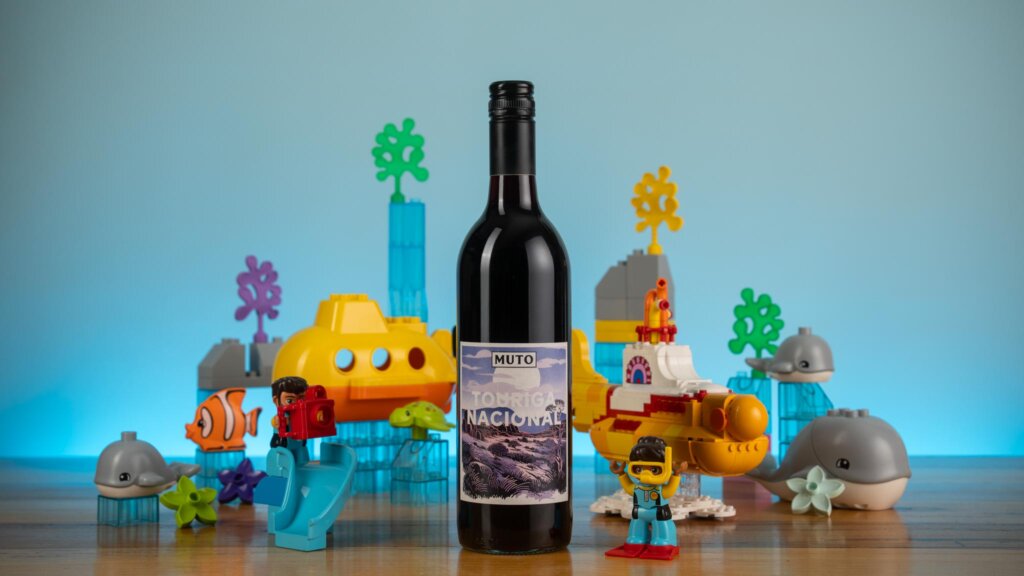
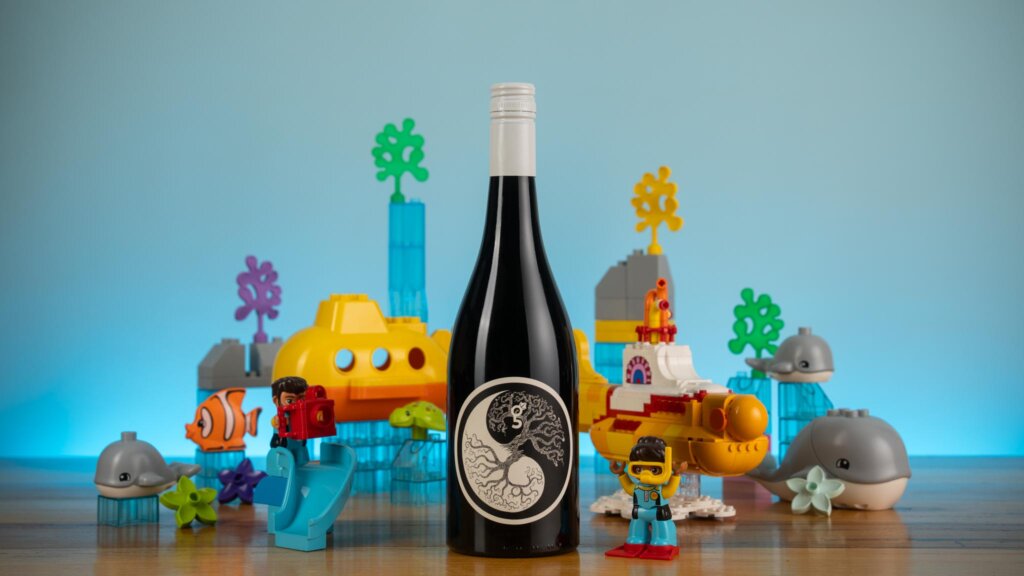
2022 Muto Touriga Nacional, Riverland $24 RRP
Spain, Crowley, and Menezes selected this among their standout six wines of the day. Spain found aromatic complexity: “Really opened up in the glass – capsicum, almost cabernet-like. Dusty clove, star anise, seaweed and kelp, pink pepper, black olive tapenade, raisins, fig leaf, blackberry, rosemary, and sage.” Crowley appreciated the wine’s herbaceous edge: “The herbal frame is appealing, opening with dried fennel and garrigue. Briny notes on the palate meet the fruit nicely – ripened dark cherry, sour plum and smashed mulberry. There’s a cola and amaro vibe that suits the ripe tannin with enough muscle and balanced acidity. I hope local drinkers get on touriga nacional as an option. It’s got all the tick box elements: fruit, interest, acid, and length and ageability. This one shows how this variety integrates curves and corners in the glass – a multidimensional interpretation of this Portuguese variety.” Where others saw complexity, Menezes found understated generosity: “A touch of white blossom drifts across a herbal frame, but the fruit shines through. Dense, weighty mulberry and boysenberry fruit notes pack a real punch on the palate. It’s understated on the nose, generous in the mouth.”
Menezes, Déak, Heslop, and Crowley selected this among their top six picks from the day. Menezes found something untamed: “A wine that wears its wildness proudly. Sun-warmed berries and ripe damson plum tumble alongside native thyme and garrigue, threaded with sweet baking spice and menthol. Something primal – yet undeniably charming. Rustic character that speaks of place rather than polish.” Déak discovered textural coziness: “Very textural on the nose, almost milky. Lighter body yet complex, heavy on blueberries – Ribena comes to mind. Opens nicely, like sitting by the fire on a cold rainy day.” Heslop appreciated the savoury drive: “This wine is driven by herbal notes rather than fruit. Tobacco and dried oregano with seaweed saltiness transported me to the seaside. Savoury palate has graphite character giving great length and interest.” Crowley found spicy complexity: “This savoury, spice-driven example of touriga nacional shines in the line-up. Blueberry palate and violet aromatics are accented with a complexity of earth and herbal notes like bergamot and cola. It’s upright rather than soft – tomato leaf and rose thorn cut through the palate, holding the fruit element solidly in the middle. Sour cherries, an amaro note, and chalky tannins sit well with linear acid and a long finish.”
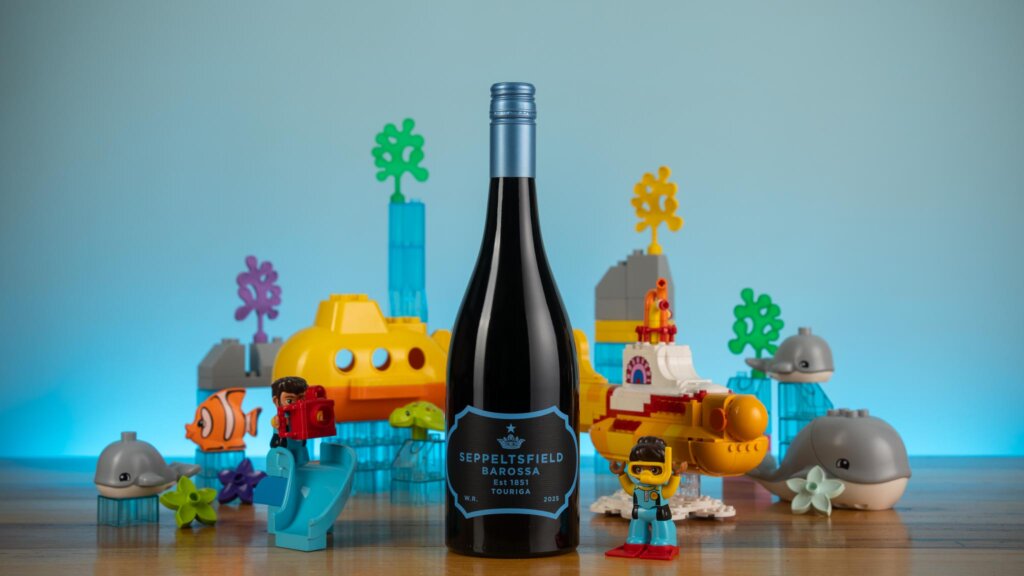
2025 Seppeltsfield Touriga, Barossa $32 RRP
Menezes, Heslop, and Spain selected this among their top six selections from the day. Menezes found playful indulgence: “Bramble-strewn with cassis liqueur at its core, layered with whispers of dark chocolate and cigar box. As it opens, the fruit turns almost confectionery – candied lollies, Turkish rosewater, the sweet, perfumed swirl of falooda. Genuinely lovely, and playfully indulgent.” Heslop appreciated the bright, youthful character: “This wine is most definitely in the fruit-forward camp. Aromas of fresh plum and blackberry coulis jump from the glass. The palate is vibrant and fresh, with a soft and velvety texture.” Spain found rich varietal solidity: “Rich, lush, varietal. Baking spice, rhubarb, sumac, golden raisins, blackberry, baked plums with impressive length, picking complexities and characteristics even on the finish. Great interplay of jammy fruit and texture. Macerated blueberry, açai, hints of esters like banana cream and passionfruit leaf. Really solid.”
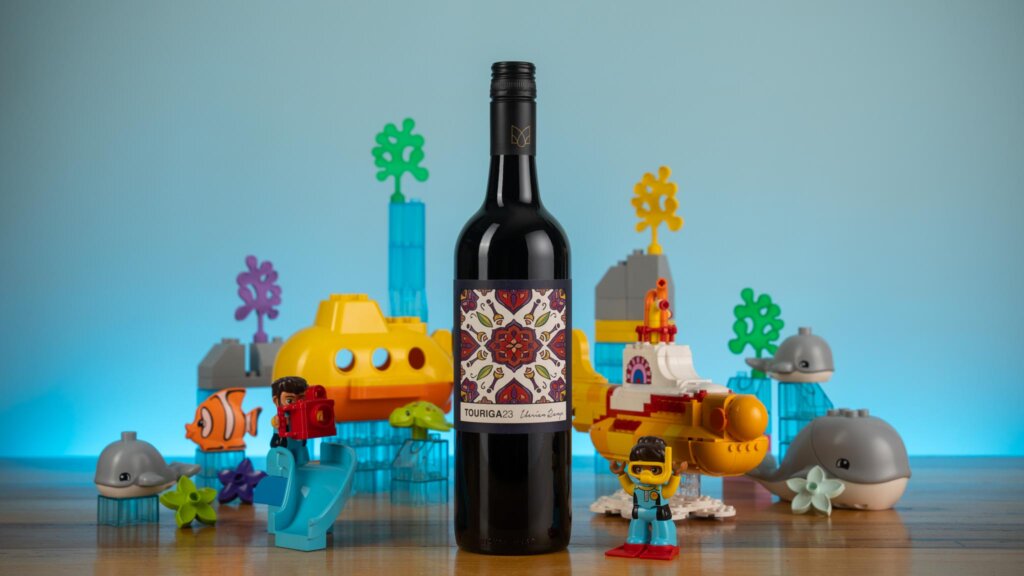
Déak, Carlin, and Spain selected this among their standout six wines from the day. Déak found delightful fruit-driven elegance: “This is a very interesting expression. Very fruit-heavy with plums on the forefront, yet not so tannic or boozy. Delightful drinking wine. The bright red colour makes it very pretty. Getting a little bit of almost fortified quality here – like a random sweetness or concentrated elegance.” Carlin discovered playful textural fun. “Bubblegum, cherries, bright fresh red and black fruits, banana, blueberries – so much fun. Sherbet-y sourness is balanced by a little residual sugar, giving this confected sour gummy feel. Lots of structure and tannin, with a savoury salty-iodine character and kola nut. Lots and lots of length.” Spain championed the more developed expression: “This is the best example of the wines today that felt more mature. Dried fig, pine cone, plum skin and red miso on the aged nose, moving into umeboshi plum, cardamom, black tea, fig, quince paste and tobacco. A balance of fruit and structure – it’s very cohesive, everything ageing together and holding up. Hints of cola and red cherry on the finish, sweet liquorice, Turkish fig, apricot jam, dried goji berry, hints of chocolate almond.”
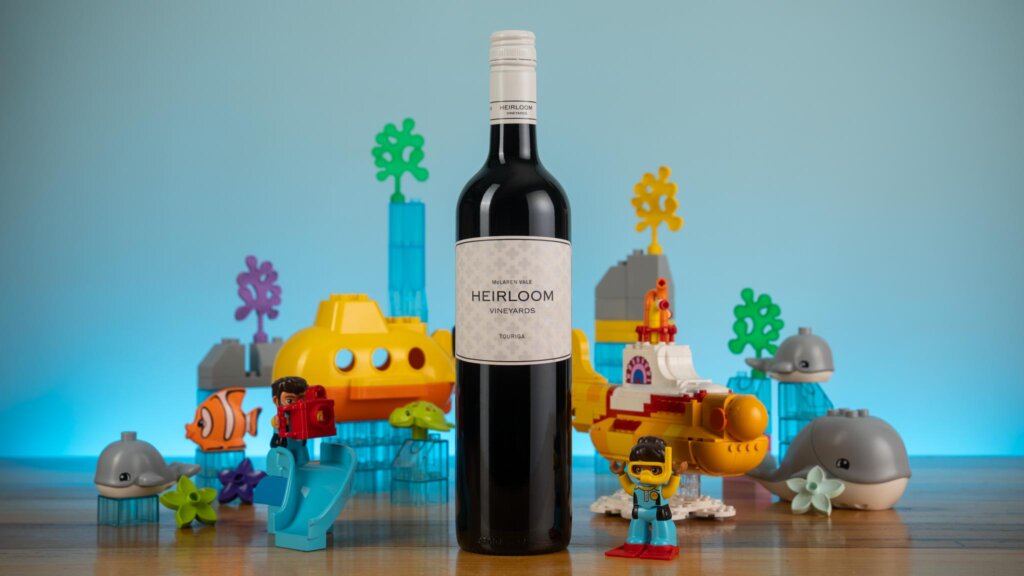
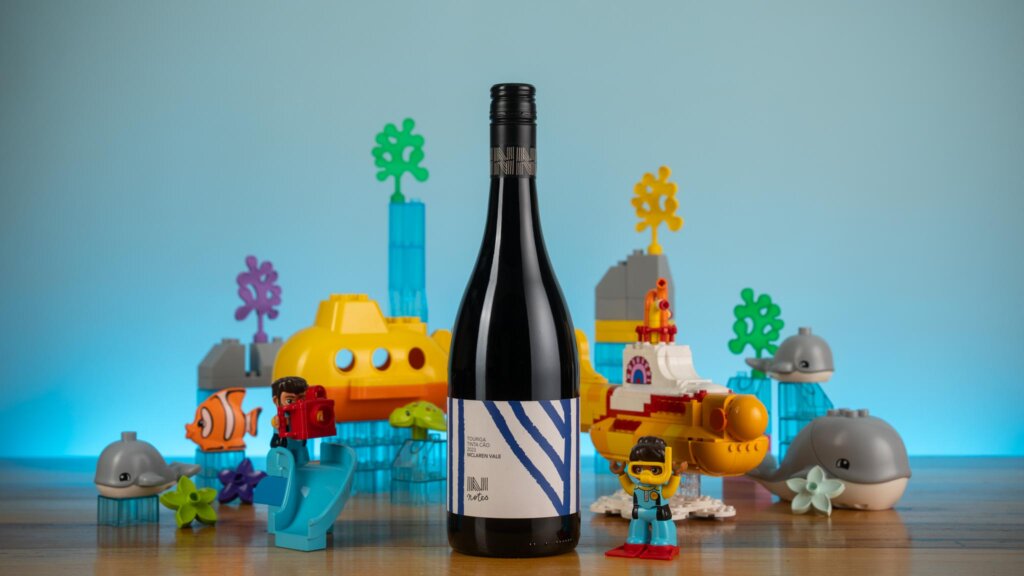
Heslop and Crowley selected this wine – which has a small portion of the Portuguese variety tinta cão blended in – among their top six wines in the blind tasting. Heslop found sheer enjoyment in the glass: “A pleasant drink! Intriguing aromas of cherry cola, dried tobacco, and a subtle seaweed character. On the palate, it shows a lovely balance of fresh ripe blackberry and earthy spice characters like clove and star anise.” Crowley discovered nuances floral sophistication: “A delicate take on touriga nacional with dried thyme, rust and aniseed aromas up front with plenty of floral notes reminding me of violets and herbaceous geranium stem. Blueberries and tinned dark cherries add a lovely lift of fruit in the glass whilst the aniseed cola is met with a slew of wet slate in the middle of the palate. The spearmint note adds to the character rather than overpowers the balanced tannin. Fresh fine acidity and a long finish. Serve the steak!”
2023 Dogrock Touriga Nacional, Pyrenees $30 RRP
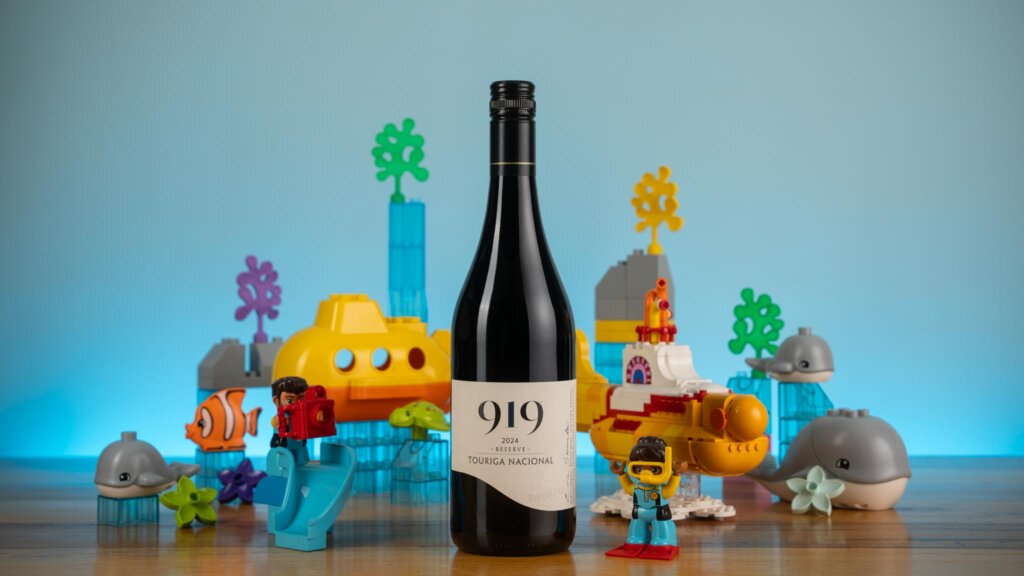
Heslop and Déak selected this among their top six picks in the blind tasting. Heslop appreciated the developed character: “The slight terra cotta hues in the glass and dried tobacco notes on the nose hint at some age on this wine. This aged character is balanced by ripe blackberry fruit and interesting cardamom and clove spice characters to round out the silky-smooth palate.” Where Heslop found smoothness, Déak embraced the grip: “Nice and dry with grippy tannins bringing some booziness behind it. Very peppery – mainly black pepper but also a little red capsicum.”
Spain, Carlin, and Heslop selected this among their standout six selections of the day. Spain found savoury-sweet balance: “Macerated strawberry, Turkish delight, quince, pink peppercorn, sweet paprika – a savoury and sweet fruit combo with rosemary and hints of balsam. A really promising food wine that leans into smart use of tannins and the savoury edges of the variety.” Carlin embraced the sensual complexity: “Elegant cherry, red plum, dried apples, tea cake, toasted nuts, spice – oily, sexy, perfumed and rich. Turkish apple tea, early grey, cinnamon, blood plum, sour cherry with a little spritziness. Some nice oak use – maybe a little American oak? – adds a coconut tone, framed by tea-like tannins.” Where Carlin found indulgence, Heslop appreciated accessibility: “A wine with great drinkability. Bright fresh fruits of plum and blackberry are accompanied by a cherry-cola character and subtle hints of tobacco. The palate has a juiciness that keeps you coming back for more.”
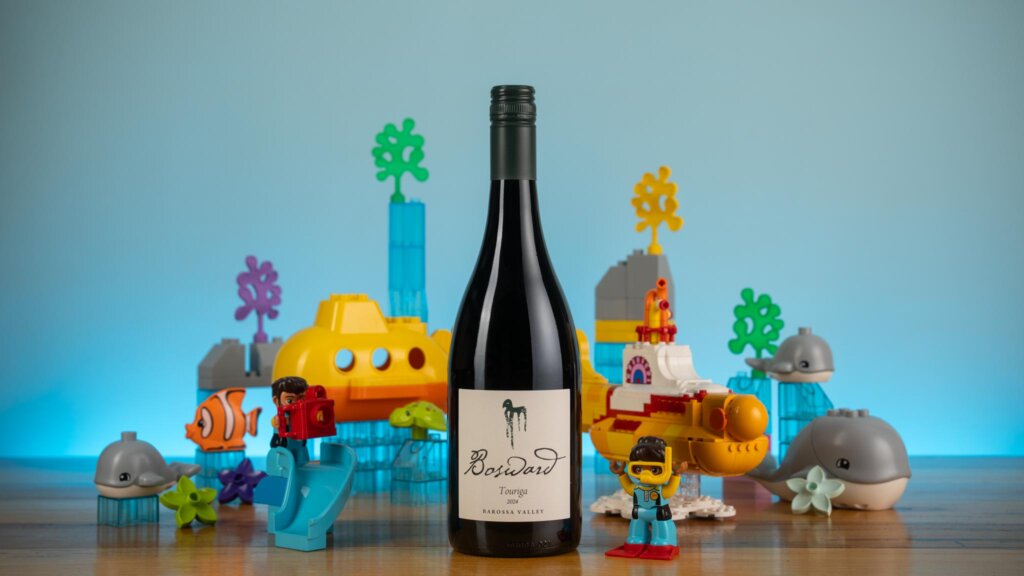
2024 Bosward Touriga, Barossa Valley $40 RRP
Carlin and Déak selected this among their standout six picks from the blind tasting. Carlin found structured finesse: “Candied red fruits, magenta red fruits, parma violets, rhubarb and cranberries with great structure and finesse. There’s a little residual sugar adding body to the wine but it keeps persevering on the palate – just prowess and structure. Fruit-focused but it isn’t stewy, with nice integrated tannins.” Déak appreciated its elegant character: “Very light, some age perhaps, but not necessarily – a nice representation here. Really bringing those black and purple fruits, especially plums and currants.”
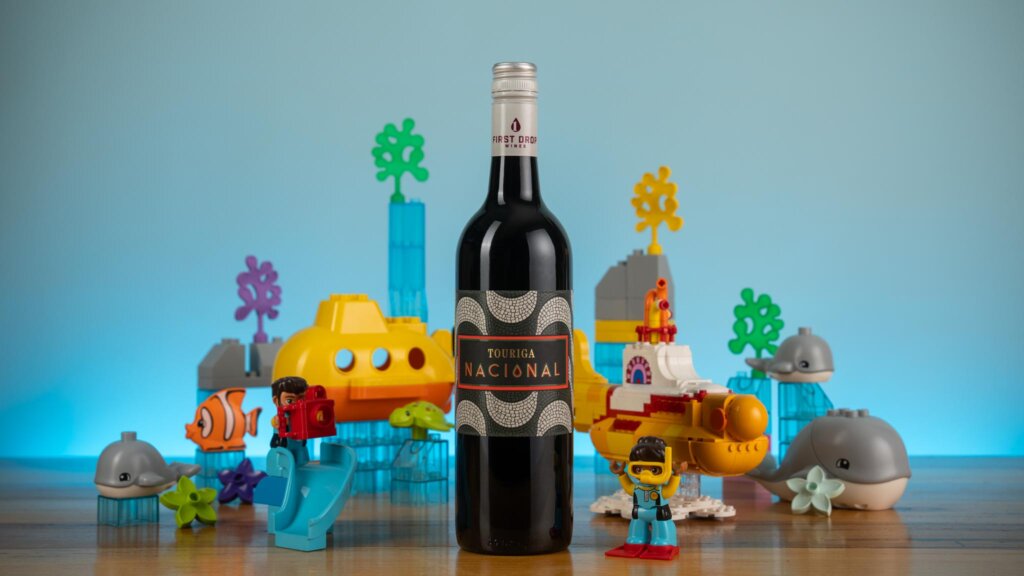
2023 First Drop Wines ‘Nacional’ Touriga Nacional, McLaren Vale $30 RRP
Menezes, Déak, and Carlin selected this among their top six selections in the day. Menezes found comfort and generosity: “Full-bodied and velvet-textured. Blueberries, blackcurrant leaf and damson plum all shine through, being carried by ripe, well-rounded tannin and a pleasing, lingering finish. A wine of comfort and generosity.” Déak discovered a wine of contrasts: “Smells very savoury, light-bodied, almost concentrated. Floral notes as well as spices. Velvety with black fruits showing up – blackcurrant, blackberry. Big pepper notes as well, bay leaf perhaps.” Carlin found a wine of sheer pleasure: “Red apple skin, rhubarb and violets on the nose. Fantastically balanced on the palate, with tension built between the sour-fruited flavours – think Morello cherry – and the rich body of the wine. Really enjoyable – tart, punchy, and crunchy.”
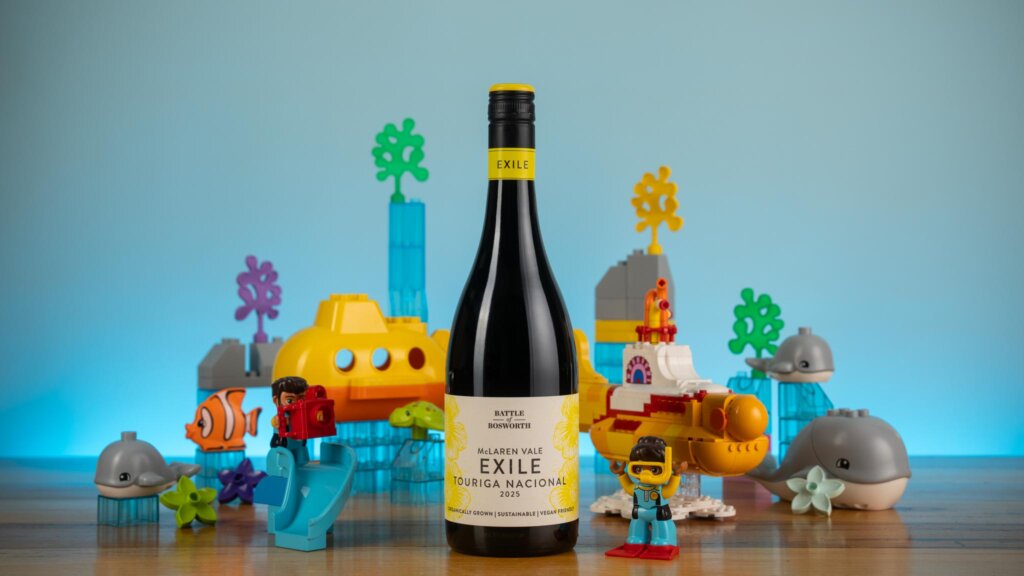
2025 Battle of Bosworth ‘Exile’ Touriga Nacional , McLaren Vale $30 RRP
Carlin selected this among his standout six wines of the blind tasting, finding textural sophistication: “A little high in alcohol with Luxardo cherries, cherry brandy, elegant florals and dried rose. Great structure and elegance with lots of floral sexy characters. The weight on the palate is just second to none – it feels elegant, weighted, and the tannins are woven through so intricately. Textural bliss.”
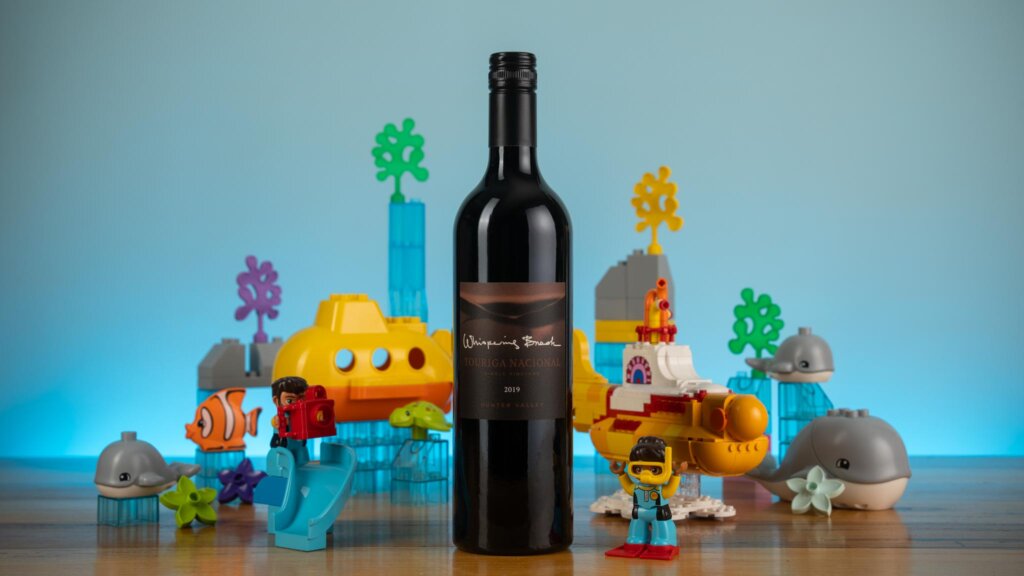
2019 Whispering Brook Touriga Nacional, Hunter Valley $100 RRP
Crowley and Déak selected this among their top six wines of the blind tasting. Crowley found a compelling aged character: “Such an interesting wine in a line-up where fresh fruit has been the order of the day. Immediately savoury, opening with woodsmoke, dried oregano, leather, sage alongside sour cherries and ripe black plums. There’s a bit going here, with the fruit unwinding nicely in the glass along with cinnamon, earth and a lip-smacking wet rock, flinty centre. The characterful vegetal notes and ripe tannin finished with lovely length. I heart morello cherries.” Déak likewise appreciated the more developed expression: “Some age on this wine – less fruits, more barrel, plus huge tannins that indicate further ageing potential. Perhaps a little muted on the nose for this reason, but very enjoyable and a little different on the palate. It’s a yes from me!”
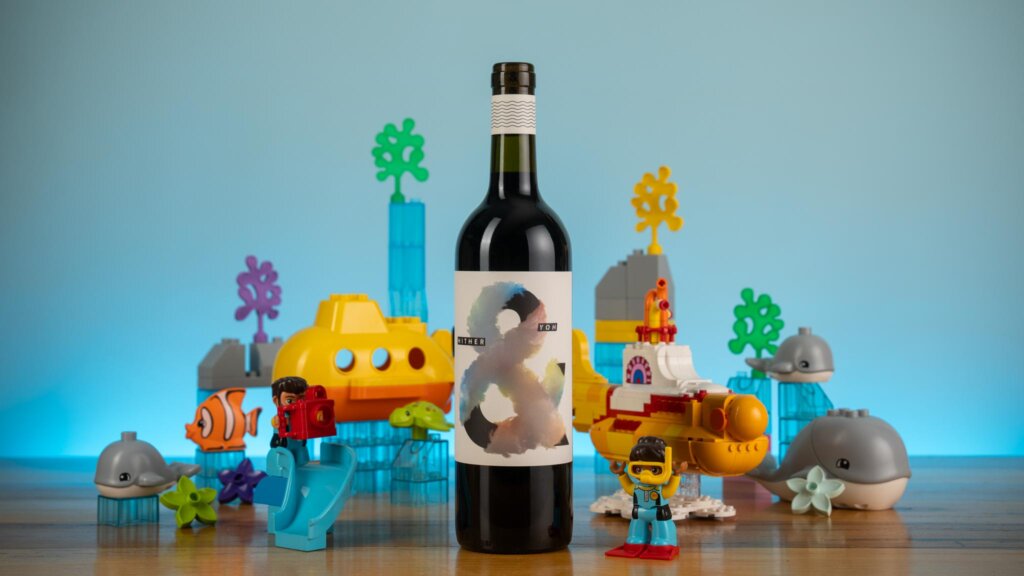
2022 Hither & Yon Touriga, McLaren Vale $33 RRP
Crowley selected this among her top six picks of the blind tasting, finding compelling complexity in it: “Touriga is so much more than a generic ‘dry red wine’ variety, particularly when it has seen some time in the bottle. Rich intense spice and a slightly fortified aroma lead into a nicely medicinal, Ribena-infused palate. The spice leaning dark plum, blood orange and blueberries slot together with the herbal undertones and slight liquorice and sit well with the ripe tannin. A lovely example that shows there is so much complexity and variation in the Australian take on Touriga Nacional.”
2025 Gant & Cia Touriga Nacional, Margaret River $32 RRP
Carlin and Crowley selected this among their standout six selections from the blind tasting. Carlin found food-pairing promise: “Carbonic notes, quite ripe – more into those cola notes with a little meaty and gamey character, some spice. Fantastic acidity balanced by the oiliness, with savoury tannins that are just begging for some lamb and fatty rich meats.” Crowley discovered an unexpected contrast between nose and palate: “The depth of this wine was a surprise given the freshness on the nose and purple hue. There is a delicacy to the aroma with violets, rose and cinnamon spice and a back note of cooked plums. In the glass, there was a bit going on with a touch of vanilla which melded around the ripe sour cherries, brambly notes such as cranberry and leaf. I felt there was a blood orange spice bent here – but it all came together with plenty of depth and a long finish.”
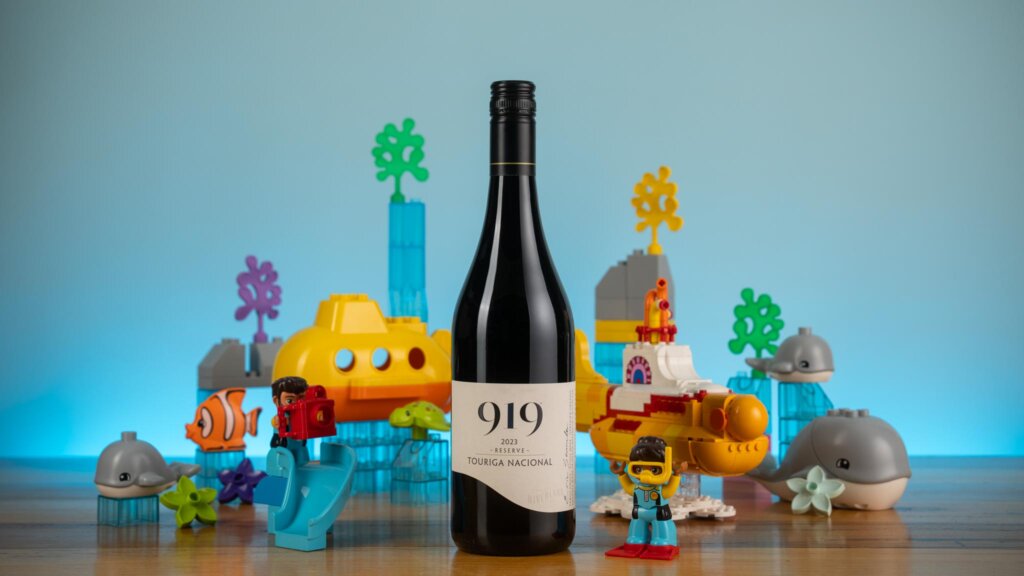
Spain selected this among her top six selections of the blind tasting, revelling in its aromatic and textural complexity: “Chocolate mousse cups, liquorice, clove oil, blackberry, Thai basil, hemp, coconut husk move into red plum, raspberry, strawberry blossom and leaf, coriander seed, cherry cobbler. Really great length and mid-palate structure – the acid and length are begging for fatty meats.”
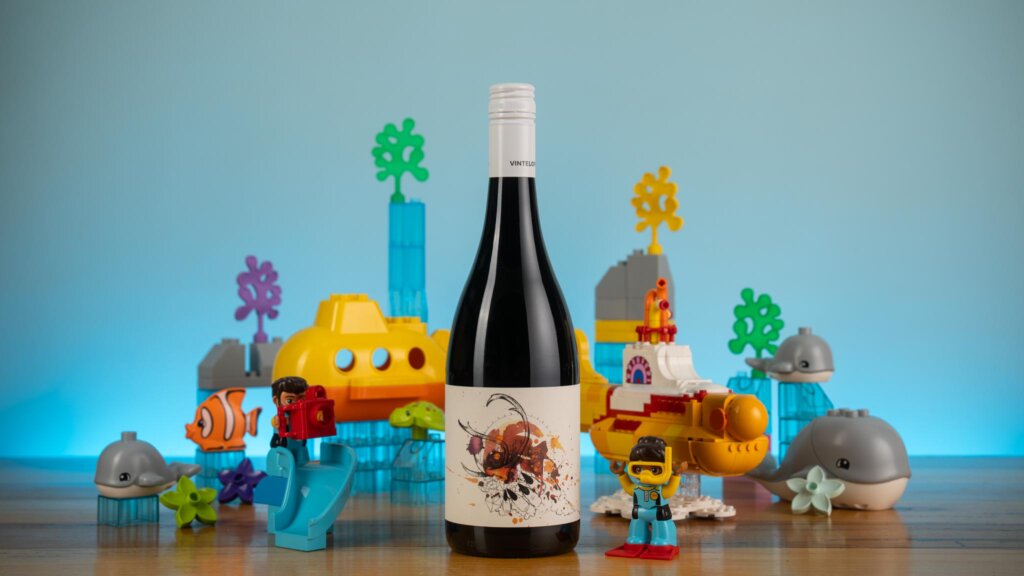
2021 Vinteloper Touriga Nacional, Langhorne Creek $27 RRP
Menezes selected this among his standout six picks of the day, finding it effortlessly honest: “Juicy and unguarded, brimming with the bright tang of early-season blackberries and plump black cherry – that slightly tart, just-picked edge before full ripeness sets in. It’s easy-drinking, sure – but there’s also real structure underneath and admirable length. File this one under ‘straightforward, honest, and satisfying’.”
Heslop selected this among his standout six wines in the blind tasting, finding shy elegance and moreish appeal: “A shy nose with blackberry, tobacco and hints of leather. The tannins are silky and the acidity provides some freshness and length. Overall, a wine of moreish drinkability – perfectly suited to the Australian red wine palate.”
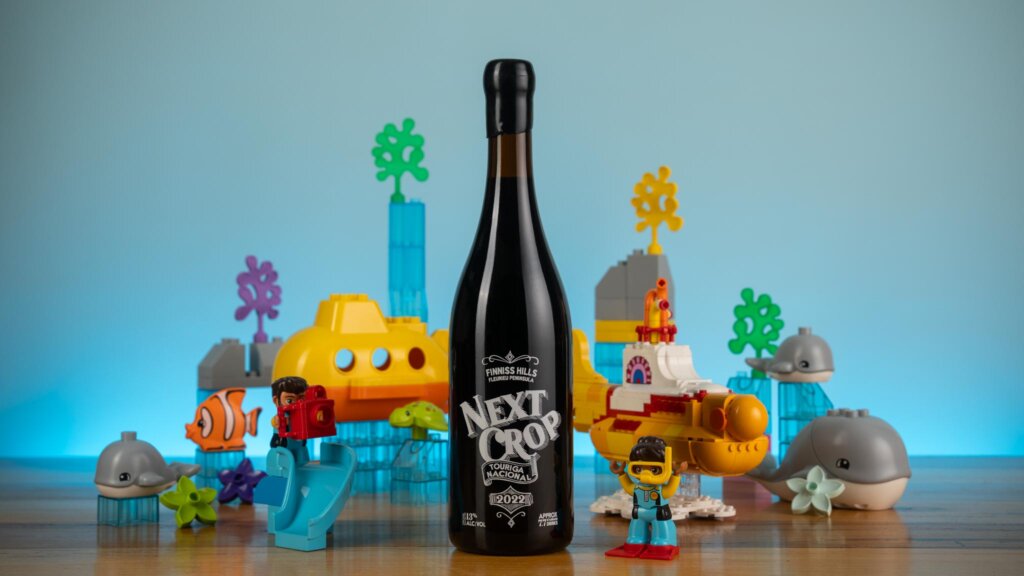
2022 Next Crop Touriga Nacional, Fleurieu $28 RRP
Menezes selected this among his top six wines from the day, championing its exuberant individuality: “Red-fruited and vivacious – red currant and blackcurrant mingle with dark plum skin and a dusting of pink peppercorn. Ethanol heat runs heady and warming throughout the finish. It’s perhaps not conventionally elegant, but it’s refreshingly its own thing.”
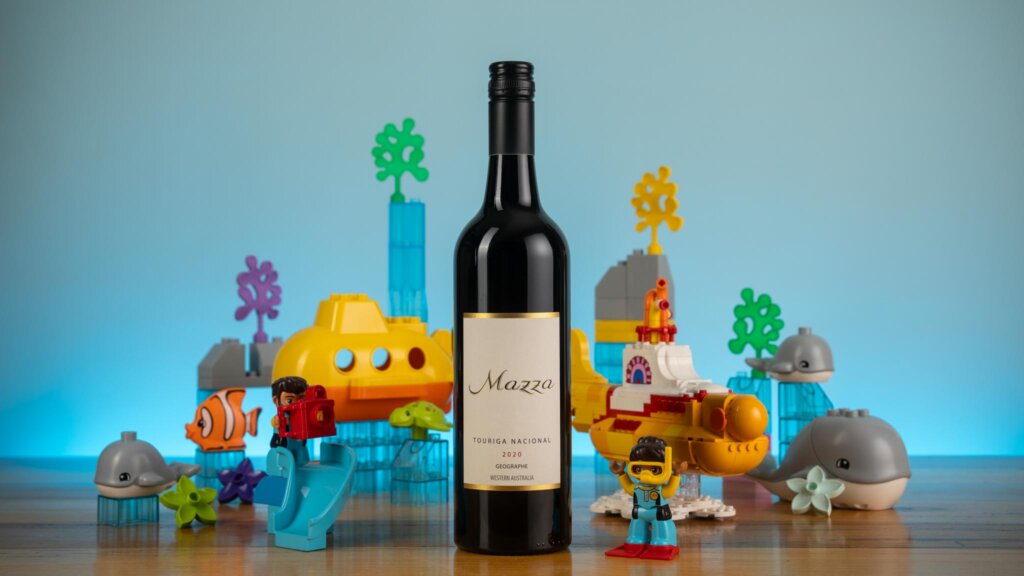
2020 Mazza Touriga Nacional (Museum Release), Geographe $35 RRP
Spain selected this among her standout six selections of the blind tasting, appreciating its welcoming accessibility: “Raspberry, black cherry, oregano, sage, herbal and black tea, roasted plum, hints of vanilla, roasted rice – a simple and easy-going style, perfect for easy afternoon drinking. It doesn’t need to be overly flashy – I think it’s a perfect introduction to the variety.”
The backstory
Touriga nacional is Portugal’s most cherished red grape variety, and one that many Portuguese makers would argue deserves the same level of respect as any of the better-known ‘noble’ varieties of France, Italy, or Spain. Its unusually small berries act as a natural handbrake on yields, leading to wines of impressive concentration, strong tannins, and exuberant fruit character. Yet this potential to make exceptional wines has historically been hampered both in Portugal and Australia by its association with now-unfashionable styles of fortified wines. With small parcels of touriga nacional scattered widely across Australia’s different growing regions, is it time for Australia’s growers and makers to look more closely at the potential for – and the potential pitfalls of – this highly distinctive variety?
Touriga nacional enjoys a vaunted position in its home country of Portugal, where it is considered the country’s finest red grape variety, and one worthy of the same respect as cabernet sauvignon, pinot noir, tempranillo, or sangiovese. Despite being closely associated with Port – the fortified and sweet red wine grown in the Douro Valley – touriga nacional likely emerged further south, in the mountainous Dão region, where it was first described in 1822. The variety’s reputation for quality – aided by its naturally low yields – saw it migrate to the nearby Douro and become an important part of the varietal mix by the 1860s, alongside its close relatives touriga franca and touriga fêmea. Meanwhile, back in its home region, it was so popular that it went on to form nearly the entirety of the Dão’s red-wine plantings until the 1880s.
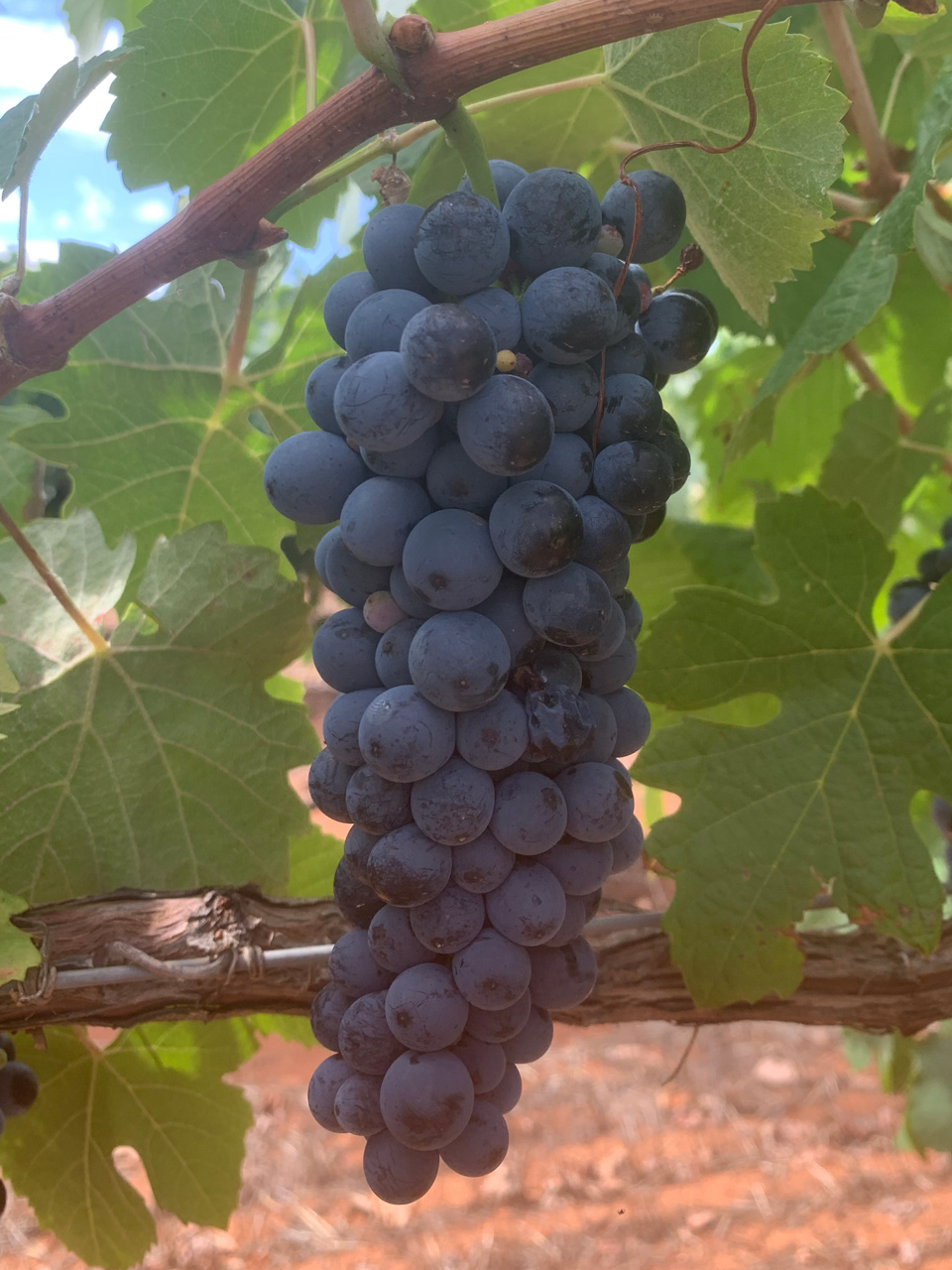
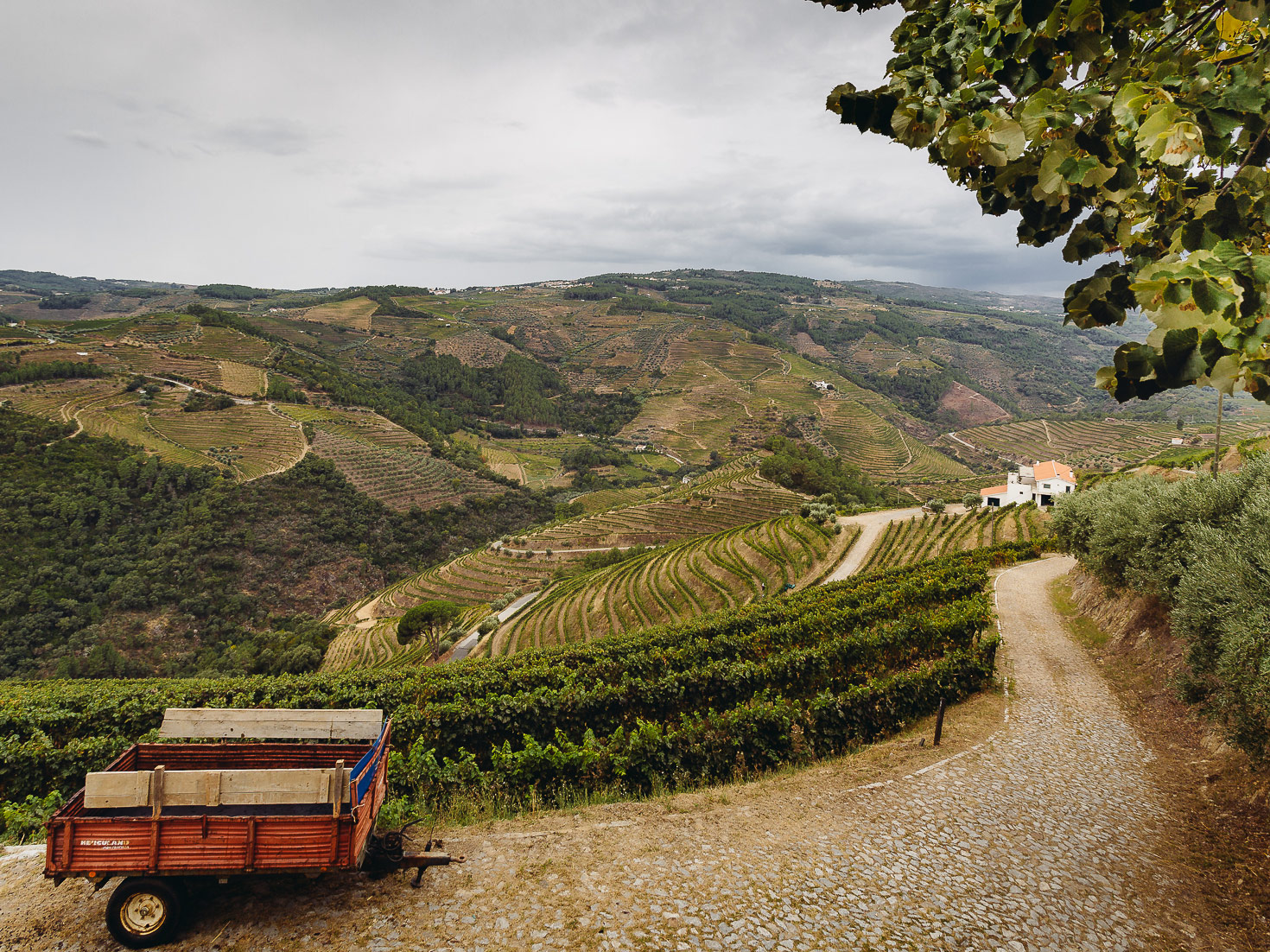
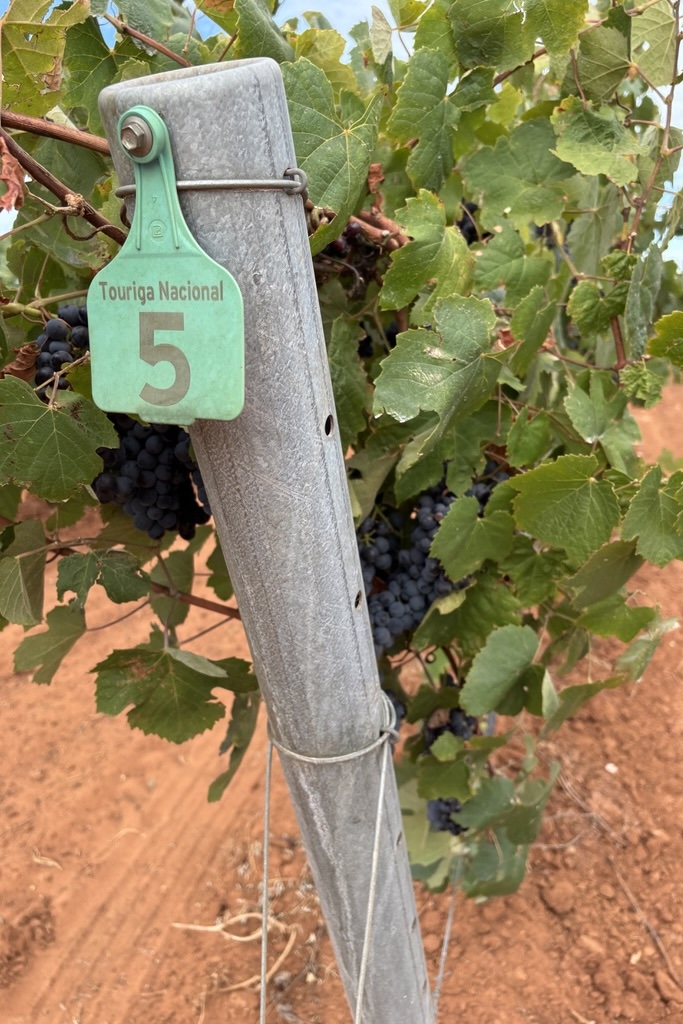
Opposite: Touriga nacional grapes on the vine at the Ricca Terra vineyard in the Riverland. Above: The terraced vineyards of Portugal’s Douro Valley – likely not the birthplace of touriga nacional, but the home of its most famous expressions.
The arrival of the American vine pest phylloxera in both regions saw touriga nacional’s fortunes wane significantly. It was initially grafted on to unsuitable rootstocks, which combined with its naturally low vigour to generate unsustainably low yields for the growers of both the Douro and the Dão – whose grapes were often funnelled into the system of volume-focused co-operatives set up by Portuguese dictator António de Oliveira Salazar. It has only been since the death of Salazar in 1970 and the dismantling of his repressive Estado Novo that serious research into specific clones and rootstocks made planting touriga appealing for Portugal’s wine growers. Since that time, touriga nacional has established itself as Portugal’s signature red variety by reputation – although not by planted area, coming in at fifth place on the national league charts – and it has now spread widely across the country, including the warmer southern regions such as the Alentejo. Whether made into fortified wines or regular dry table wines, the variety’s naturally low yields tends to make wines of intense concentration – full of deep colour, intense flavour, and high levels of tannins, often showcasing unique floral and herbal aromas of bergamot, rosemary, and violets. That concentration can mean that touriga nacional is often perceived as a variety best suited to blending – but in the right hands it can make a compelling varietal table wine.
Tracing Touriga in Australia
While phylloxera might have laid touriga nacional low in its home country, this dreaded vine louse was indirectly responsible for bringing the variety to Australian shores. The discovery of phylloxera in the Geelong region in 1875 swiftly decimated the Victorian wine industry, and by 1907 it was close to terminal collapse. In response, the Victorian government reappointed the famed wine expert François de Castella to the role of state viticulturist (a title he had briefly held in the early 1890s), and tasked him to travel to Europe to learn more about the ways various regions there had recovered from the devastation wrought by the louse. De Castella not only gained valuable experience in the mechanics of grafting European varieties onto phylloxera-resistant European rootstocks, but also gained access to a vast quantity of varieties that had yet to enter Australia, including tempranillo, durif, picpoul, mondeuse – and touriga nacional. (Some touriga nacional vines may have previously entered the country under the name of ‘black Portuguese’ or ‘black Oporto’ from John Macarthur’s 1817 vine importation – but if so, they did not survive. Just over a century after those vines landed, the same François de Castella would determine that the few remaining ‘black Portuguese’ vines were likely to have been the unrelated Portuguese variety tinta amarela, also known as trincadeira.) These varieties were brought back to Australia on phylloxera-resistant rootstock and planted at the Rutherglen Viticultural Station in or around 1908.
Opposite: Liam Heslop of Heslop Wines. Above: Liam and Bob Heslop at work in the winery – Bob Heslop’s 1995 touriga nacional (for Mudgee label Mansfield Wines) was likely Australia’s first varietally labelled dry table wine made from touriga nacional.
Touriga’s association with the fortified wine styles of the Douro saw it planted widely, if not in great quantity, across Australia after its arrival in Rutherglen. Many of those plantings retained something of the experimental flavour of de Castella’s initial importation – it was a notable part of the varietal mix in Gippsland’s early plantings, for example – and in the hands of the CSIRO’s Alan Antcliff it became one of the two parent varieties of tarrango, a new grape variety bred for the climatic conditions of Australia’s warm inland winegrowing regions. Other growers, however, planted it for its connection to Portuguese fortified wine tradition – most notably St. Hallett, who planted their Barossa vineyard with touriga in 1976 with the intention of turning it into fortified wine, and Yarra Yering, who planted a plot of mixed Portuguese varieties including touriga nacional in 1990 for their now-discontinued fortified wine known as ‘Portsorts’. (The name of this wine was later changed to ‘Potsorts’ because the term ‘Port’ is a protected European appellation name, similar to ‘Champagne’.) Somewhat ironically, this developing interest in touriga’s potential for fortified wine production came at a moment when Australian tastes were definitively turning away from fortified styles towards table wines. As such, the fruit from many of these pioneering plantings has now found its way into various table wines, often as blends, such as the St. Hallett ‘Gamekeeper’s Reserve’ (first released in 1999) or the Yarra Yering ‘Dry Red No. 3’ (first released in 1996).
“My father’s idea was to make some Portuguese-style ‘Ports’, and actually write the variety name on the label, ’cause that was still quite a new thing back in the ’80s. In his naïveté, he didn't realise that there was actually quite a bit of touriga already around being used for fortifieds – and obviously they weren’t writing it on the labels.”
A similar story played out in Mudgee at Heslop Wines during the 1980s, resulting in what may is most likely to have been Australia’s first dry table wine made from touriga nacional. “My father planted our touriga in ’84,” says Heslop Wines’ winemaker and owner Liam Heslop of his father, Bob Heslop. “His idea was to make some Portuguese-style ‘Ports’, and actually write the variety name on the label, ’cause that was still quite a new thing back in the ’80s. In his naïveté, he didn’t realise that there was actually quite a bit of touriga already around being used for fortifieds – and obviously they weren’t writing it on the labels. So he sort of missed that boat – but the first time he had some fruit, he made a red [table] wine. Everyone loved it so much that he’s just always made a red wine from it.” That wine – initially made by Bob with fruit from his own vineyard for local label Mansfield Wines, starting with the 1995 vintage – become something of a local sensation, winning multiple trophies at both the Mudgee wine show and the Australian Alternative Varieties Wine Show. The fruit from those touriga vines is now earmarked exclusively for table wine produced under the Heslop Wines label, even though Heslop Wines continues to produce fortified wine styles. “Dad wanted to make those ‘Ports’ – and we just use other things these days to make the fortifieds,” Liam says.
Lightening up
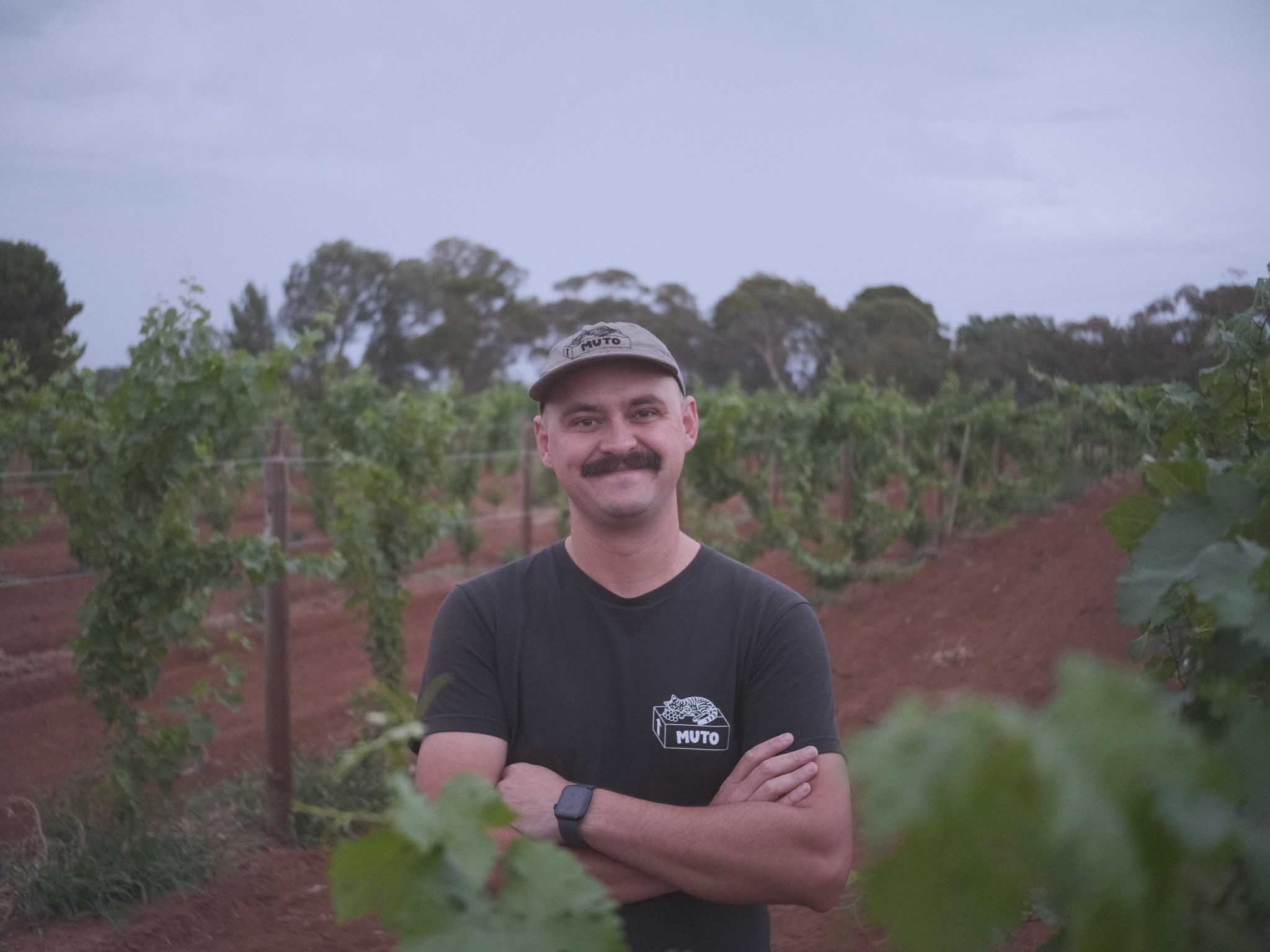
Winemaker Waldo Smit of Muto Wine first discovered the virtues of table wines made from touriga nacional as a wine retailer in the early 2010s. “There were some fantastic examples of Portuguese wines coming in from some importers, and when I first tried some of the dry reds coming out of Portugal, I was like, ‘Whoa, this is amazing’,” he says. “I’ve always been a massive fan of cabernet franc, and I feel like touriga hits that flavour profile that you can get in a great cab franc – but it’s obviously very well suited to a drier climate. So I was like, ‘Great – when we start doing wine, I really want to make a touriga’.” Those wines were not, strictly speaking, single-varietal touriga nacional wines – rather, they were blended wines from the Douro Valley and Dão regions with a predominance of touriga – but Smit was initially inspired to make a varietal wine in order to help himself and others understand the variety. “I thought, ‘Why not try a single varietal, just to get people trying it and seeing what it’s like?’,” Smit says. “I had tried a few Aussie examples, but they were a little bit like just ‘big dry red’ for me. So I thought, ‘What if we turn back the extraction a little bit and make it in that more aromatic, beautiful style? Maybe we can do something more cab franc-y’.”
Above: Waldo Smit of Muto Wine in the Bassham Vineyard, Riverland. Opposite: Touriga nacional fruit on the vine at the Bassham Vineyard.
Smit started by sourcing his touriga fruit from the Bassham vineyard in South Australia’s warm, dry Riverland region. “They’ve been growing it for quite a while now,” Smit says. “I’d say it’s probably close to fifteen years. And they love growing it as well – it performs really well in the vineyard, doesn’t need much water, and is very good in terms of disease pressure as well. So they can’t be happier with it – and good fruit makes good wine at the end of the day.” For Smit, part of the appeal of sourcing fruit from the Basshams was their long-standing commitment to (certified) organic and biodynamic farming: “They identified that early on that there was a demand for organic and biodynamic fruit,” Smit says. “Bruce and Val’s kids grew up playing in the vineyard, and it’s pretty nasty, what can be applied in a [conventionally farmed] vineyard. They want it to be a safe place for their family and their visitors because they’ve got a nice little cellar door right next to their vineyard as well. It just makes it a nice, holistic place that is a bit more friendly to humans.”
“I’ve always been a massive fan of cabernet franc, and I feel like touriga hits that flavour profile that you can get in a great cab franc. So I thought, ‘What if we turn back the extraction a little bit and make it in that more aromatic, beautiful style? Maybe we can do something more cab franc-y’.”
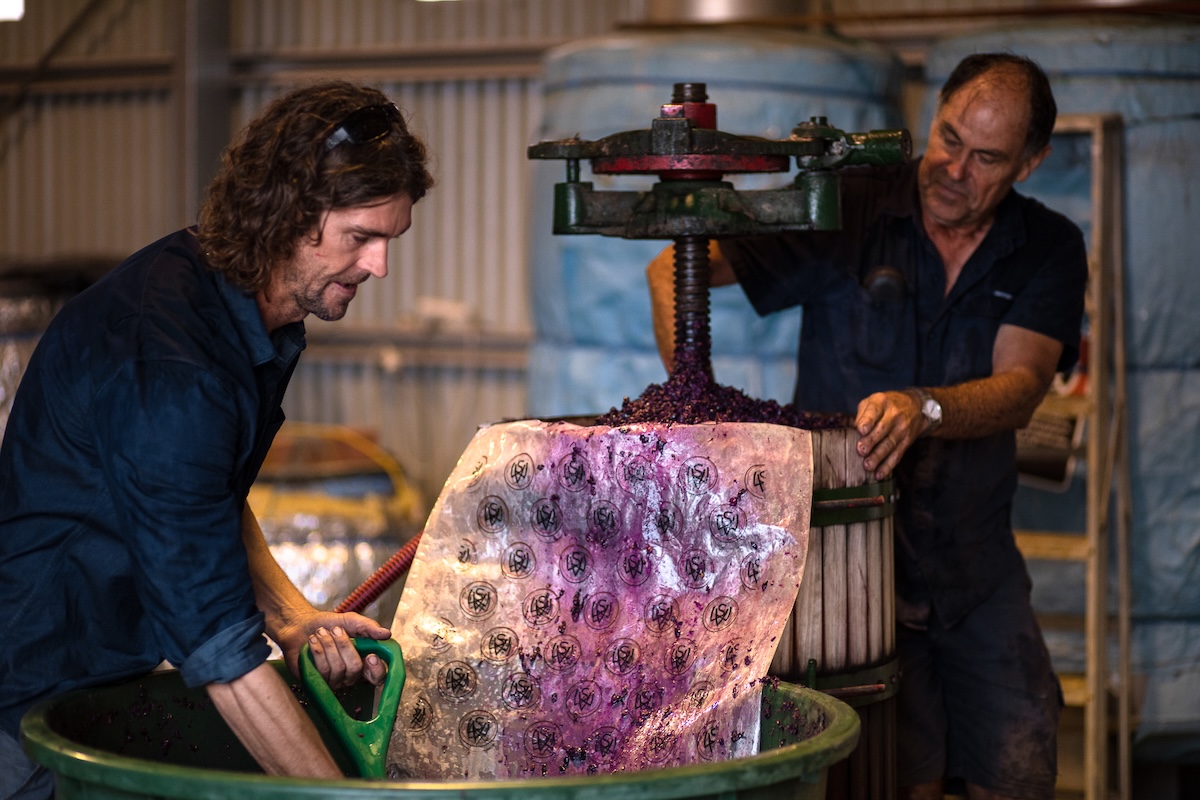
Smit’s winemaking philosophy for his touriga nacional emphasises drawing lightness out of a variety that, thanks to its small berries and high skin-to-juice ratio, often makes dense, concentrated wines. “I’ve always had the approach that we’re in a warm climate,” he says. “There’s already so much flavour – it has already so much extract and tannin that for me to show the variety in its best light, it’s best to not extract much.” As such, he favours a light touch in the winery, inspired by South African winemaker Eben Sadie’s analogy about the difference between making tea and making coffee: “I always say that I like to make tea rather than coffee,” Smit says. “So we’re just steeping the grapes. We’re not extracting it with heat or pressure.” For his touriga, he started off by making it with 100% whole bunches, but dialled this back to a mix of 50% whole bunches and 50% fruit that has been destemmed as it was harvested by machine. “We just get the fruit in, put it in a fermenter and let it do its thing, really,” Smit says. “It’s probably technically a semi-carbonic ferment, just because we keep the berries whole and the ferment starts in the berries themselves a little bit … we hand plunge once a day just to keep the cap wet, stop any VA [volatile acidity] or anything, then let it go dry.” In line with this relatively minimalist approach to the making, Smit doesn’t use new oak on his touriga: “It’s such a spicy, cedar-y style of wine anyway,” he says. “And with that use of stems, it doesn’t need much new oak – if anything, maybe 5% to 10% with a little bit of chips or staves, just to add a little bit of spice. But it’s really just about keeping it simple, letting the fruit talk, and nice, careful, slow maturation.”
A hot take on cooler-climate touriga
Margaret River-based winemaker Matt Gant of Gant & Co. has been working with touriga nacional since 2002. He first encountered the variety while working at St. Hallett in the Barossa – an experience that has since lead him to question some of the frequently-repeated bromides about the variety’s suitability for growing in warm climates. “There are a few plantings in the Barossa, and you can make a quaffable wine from it – but it’s not the best region, really, for the variety,” Gant says. “Contrary to a lot of popular opinion, it’s not a particularly drought-tolerant variety. It’s a variety that stresses very easily with extremes of heat and with a lack of water. So what you see in the Barossa is that it will often get to 12° Baumé, but then start to struggle to ripen – the vine starts to defoliate, and the fruit just sits there.Acid drops out and pH rises.” Gant argues that these higher pH measurements push the fruit into a winemaking danger zone when the common practice is to aim for pH values of 3.5 or lower. “You’re typically picking touriga with a pH of four – so you’re having to acidify, et cetera,” he says. “A few years later, with First Drop Wines, I got a friend to plant it in the McLaren Vale, and that is definitely a better region – a maritime climate, more moderate temperatures, not so extreme, and obviously more rainfall as well.”
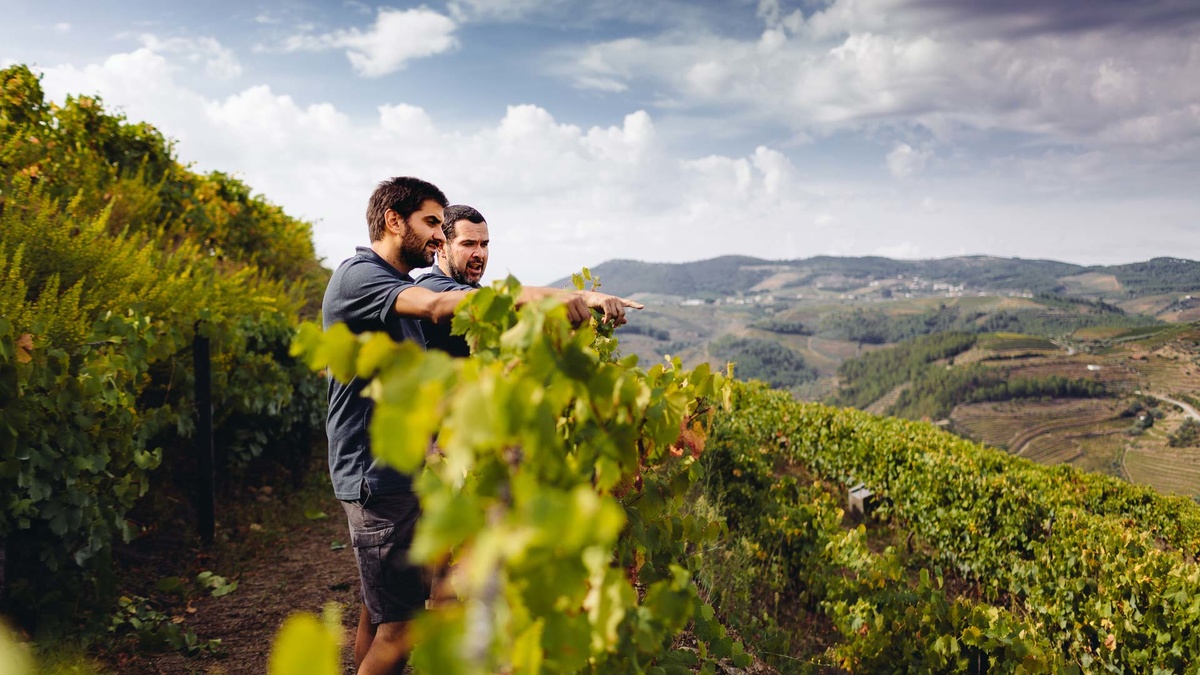
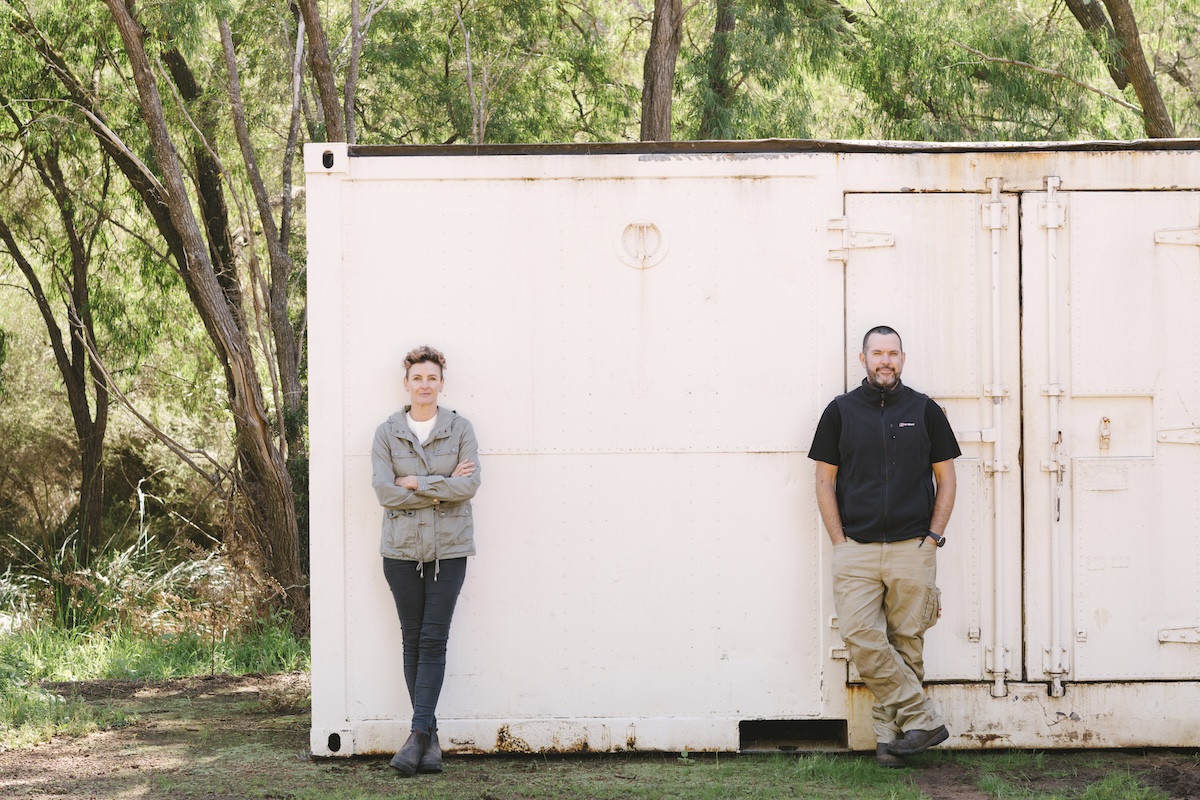
Opposite: Matt and Claudia Gant of Gant & Co. at their home vineyard in Karridale, Margaret River. Above: Matt Gant with fellow winemaker João Pires at Quinta da Pedra Alta in the Douro Valley, Portugal.
Gant’s perspective on this topic is informed by his work in Portugal, particularly at the Douro Valley producer Quinta da Pedra Alta, where he currently works as a winemaker (during the Australian off-season). “We think of Portugal as a warm climate,” he says. “And touriga nacional is what people think of as the essence of the Douro – but where it really flourishes and thrives is at elevation, at that 400–500 metres above sea level territory, and certainly in the cooler vintages.” He argues that the vines that tourists see growing on the famous terraces that tower above the Douro river are more likely to be touriga nacional’s close relative, touriga franca, while the touriga nacional plantings tend to be further up in the hills behind: “Pretty much half of the reds planted in the Douro is touriga franca – and that’s planted in warmer sites, because it tolerates the heat,” he says. “Probably the best examples in Portugal of standalone nacional – as opposed to as a blender, which it’s brilliant at – come from the Dão, which is closer to the ocean and has higher rainfall.”
“Where touriga really flourishes and thrives is at elevation, at that 100–500 metres above sea level territory, and certainly in the cooler vintages. Probably the best examples in Portugal come from the Dão, which is closer to the ocean and has higher rainfall.”
Observing the conditions in the Dão, and their similarity to the conditions in Margaret River, inspired Gant to experiment with the variety at his wife Claudia’s vineyard in Karridale. “That got me thinking here in Margaret River about grafting some vines to touriga,” he says. “We’ve got 1200 mm of rainfall – it falls mainly in the winter, which is ideal, some in the spring, and then it dries out in the summer. So we’ve grafted onto some cabernet vines.” While the project is still in its early days, Gant is bullish about the results thus far, and argues that the fruit coming in tells the story of vines that are suited to the climate. “We’ve had three vintages now, but I think it’s showing real promise,” he says. “And the key thing, for me, is that we’re getting full ripeness – that’s 13° Baumé, that’s full flavour, full ripeness – but with acidity as well. We’re picking with a pH at 3.5, so we’re not having to acidify the wine. And with that pH, that tells you that Margaret River is a happy place for the variety.”
Defining touriga’s niche
Despite his reservations about where Australian producers are planting it, Gant is a strong proponent of the virtues of touriga nacional. “It’s a brilliant variety,” he says. “It’s highly aromatic – it goes from rose petals and florals, to bergamot and Earl Grey tea, to something more inky the riper you pick it. And a little bit goes a long way – 5% in a blend can really lift the aromatics. It works brilliantly with cabernet from that point of view – which is, I think, one of the reasons why Bordeaux has included it as one of the six new red varieties that are now permissible in the region.” He cautions winegrowers who are interested in its potential to understand the variety to fully understand its needs. “It needs to be looked after,” he says. “It’s certainly not a variety that you can just set and go. It’s not grenache; it’s not mataro. People are being encouraged to plant it in warmer dry regions, and I really think that is not good advice, basically.”
“Touriga’s highly aromatic – it goes from rose petals and florals, to bergamot and Earl Grey tea, to something more inky the riper you pick it. And a little bit goes a long way – 5% in a blend can really lift the aromatics.”
While Smit defers to Gant’s experience with the variety, and says that Gant’s argument is “something to be conscious of,” he counters that his experience shows that the variety can be successfully grown in warmer conditions: “I think as long as it’s still grown responsibly, then that’s great,” he says. “And I think the Basshams are doing a good job of that.” He adds that picking dates are of paramount importance for warmer climate examples of the variety: “We pick so much earlier than the average producer, too,” he says. “So there’s a good two to three weeks during those really hot periods where it’s not hanging on the vine. In the Riverland, acidity is not your friend, so we’re definitely picking closer to 12° Baumé – whereas I think other producers would be going all the way up to 14–14.5° Baumé. And having that variety hang that long, I think, is definitely not great in a warm climate in Australia.” He concurs with Gant on the subject of blending, though, and deploys a portion of his finished touriga wine in his ‘Dark Matter’ blend, alongside malbec (50%) and another Portuguese variety, tinta barocca (25%). “It’s an unknown variety – and even for us at Muto, it’s probably our slowest-moving wine,” he says. “That’s why I made the ‘Dark Matter’ – just to put a variety in front of people that they understand, like malbec, but with the context of touriga in the blend as well. I’ve actually had a few of our customers try a ‘Dark Matter’ and really enjoy it, then go, ‘What’s this touriga nacional?’ They then buy a bottle of the touriga as well to just try it – and they absolutely love it, too.”
“The shiraz drinkers like it because it’s got body, it’s got colour, and it’s got flavour. The cabernet drinkers like it, because it’s got something other than that herbaceousness – it’s got a little bit more of a silky smoothness that cabernet doesn’t have sometimes.”
For his part, Heslop argues that the variety’s broad appeal makes it a no-brainer for Australian consumers. “The shiraz drinkers like it because it’s got body, it’s got colour, and it’s got flavour,” he says. “The cabernet drinkers like it, because it’s got something other than that herbaceousness that cabernet people love – it’s got a little bit more of a silky smoothness that cabernet doesn’t have sometimes. It’s more for people that like a full- bodied red wine. If you’re a pinot noir drinker or a nebbiolo drinker, it might not be something to warm up with – but have it with your main meal, when you want something a bit richer and with a bit more volume.” He adds, “It’s the best of all of those worlds. It has drinkability. It has plushness. It has a lot of different characters, those dried herb flavours, so it’s not just a fruit bomb. But it’s also not just savouriness. It has all those things, which makes it a really good food wine – but also a really good wine for just sipping on and enjoying.”
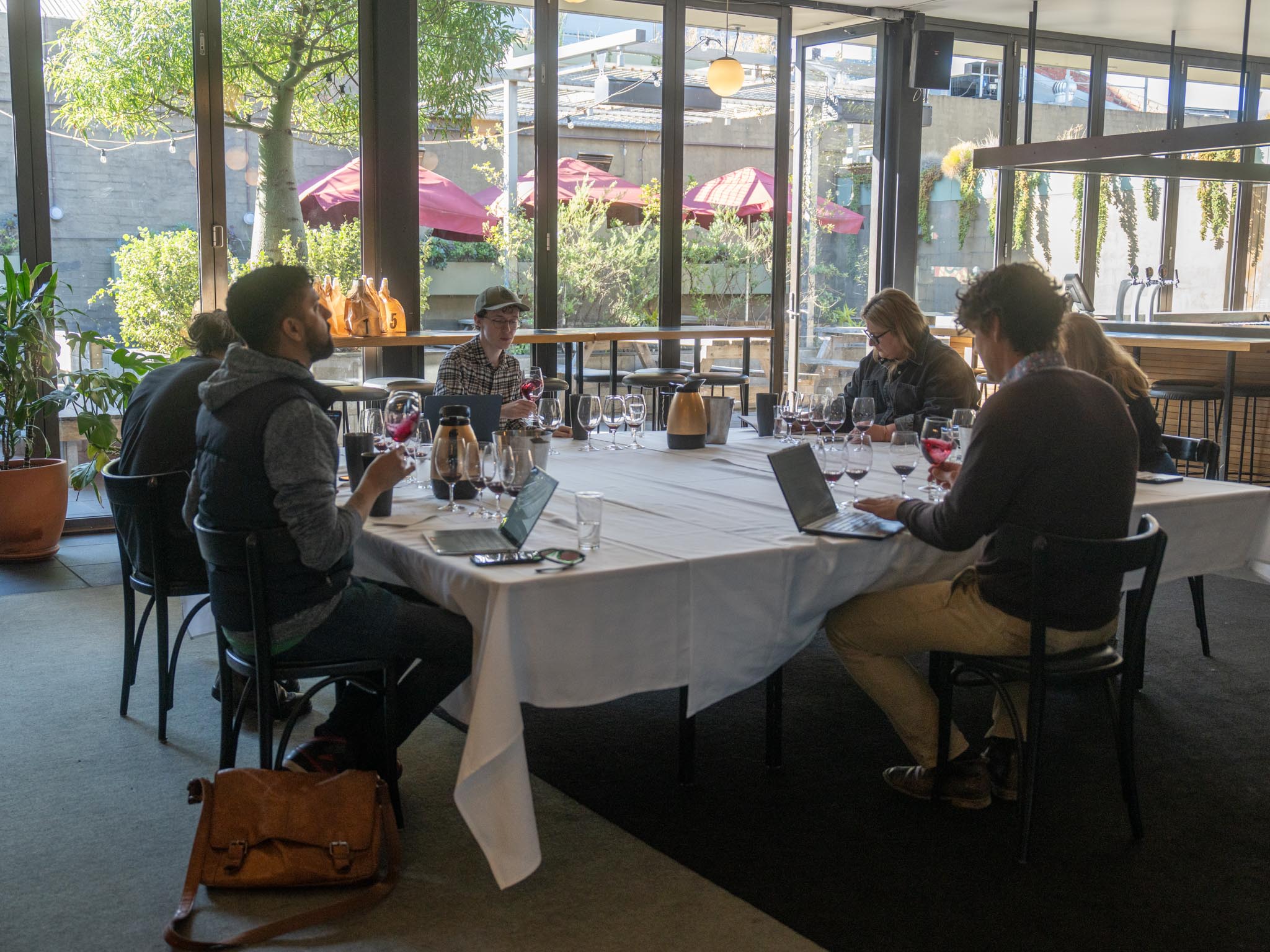
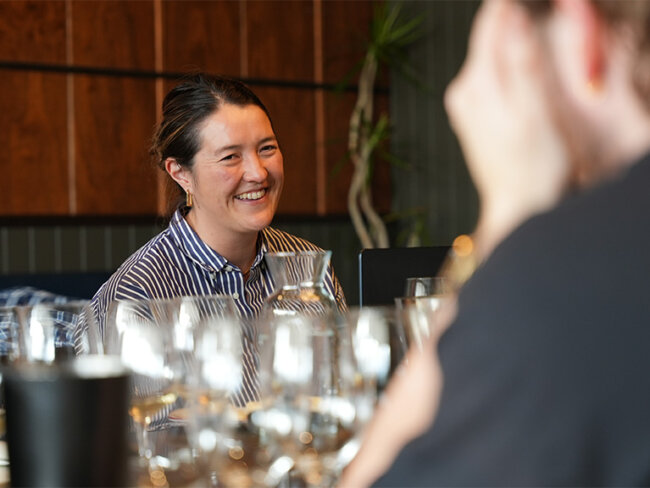
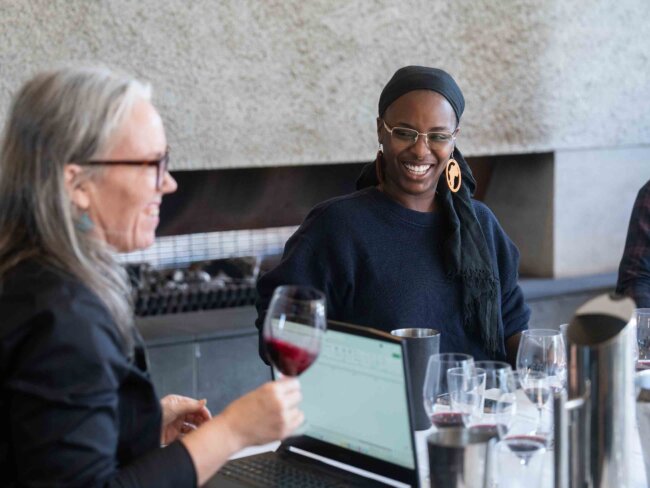
Above: Our tasting panel in session at the Bleakhouse Hotel, Albert Park (Melbourne).
Outtakes from the tasting
We gathered every example Australian touriga nacional – made as a table wine – that we could find and set our expert panel the task of finding the wines that compelled the most. All wines were tasted blind, and each panellist named their top six wines.
Our panel: Liam Heslop, vigneron, Heslop Wines; Bonnie Spain, head sommelier, Navi; Jarryd Menezes, sales representative, Alimentaria; Erena Crowley, wine merchant, Barwon Heads Wine Store and winegrower, Nurringa Park; Soma Déak, co-owner and wine buyer, Glovers; Luke Carlin, sommelier, Navi.
Heslop kicked off the discussion by enumerating the viticultural virtues of touriga nacional – and by arguing that it’s often better employed as the basis of a dry table wine rather than as the basis for Port-style sweet fortified wines. “We initially planted touriga for fortified wines, but now we use other things for the fortifieds,” he said. “In some ways, unless you’re really renowned for your fortifieds, it kind of doesn’t matter – you can make a really nice-drinking fortified from almost anything.” He added: “Touriga’s really consistent for us. It’s a consistent grower; it always gets ripe; it always has good colour; it always has good flavour. In the cooler years, it has this really intense dried herb or oregano kind of character. In the riper years, it’s more plums and hints of jamminess – but still with that hint of herbal character. What I found really interesting with a lot of these wines – and it’s probably in all the wines that I chose for my top-six as well – was this really interesting seaweed flavour that I haven’t really tasted before, and maybe a bit of oyster shell, or things like that … what I like about touriga is that it has both that jammy character but also this savoriness that saves it from being one-dimensional.”
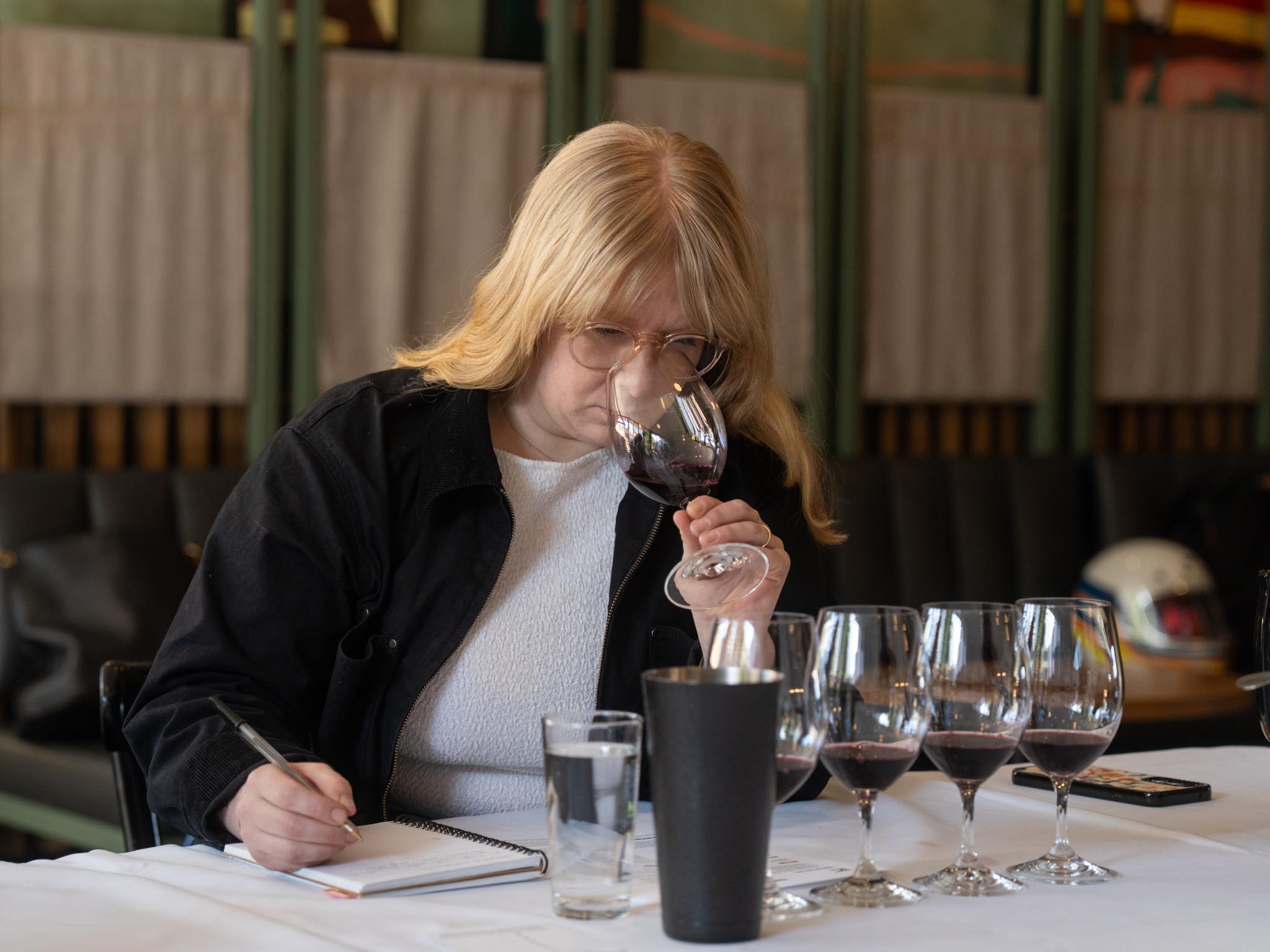
Above: Bonnie Spain. Opposite: Liam Heslop.
Talk of the variety’s association with fortified wines from Portugal prompted Spain to observe that this association often does the variety something of a disservice. “From a sommelier’s perspective, the unfortunate thing about trying to sell touriga to a table is that, as soon as you touch the topic of Port, people don’t want to have anything to do with it,” she said. “You can talk about it being one of the most important varieties in Port, because it’s the thing that gives you structure, and it tends to give a lot of the red fruit quality, and then you can talk about touriga franca, which is where the colour comes from, it’s where the aromatics comes from, and so on. But as soon as you associate the Port name with it, people go, ‘Ugh, it’s going to be too sweet and sticky.’ And yeah – it can be a jammy variety. It does have a lot more of that purple fruit – it can be stewed fruit, macerated fruit. I think we saw plenty of that today – but none of it was sickly. None of it was anything more than, say, those more old-school examples of Barossa grenache.” She added that the association with Port could cruel the variety’s chances with even very adventurous drinkers, or those who would otherwise have no problem ordering a relatively unknown ‘alternative’ variety: “Even when I was at Marmelo, where we had a predominantly Portuguese list, we still had issues getting that particular Portuguese wine into people’s glasses because they had the association with Port,” she said. “Being smart about it is probably what we need to do. People love shiraz – people love high-alcohol, big red wines. There’s no reason why that clientele should not be drinking touriga.”
“The unfortunate thing about trying to sell touriga to a table is that, as soon as you touch the topic of Port, people don’t want to have anything to do with it. As soon as you associate the Port name with it, people go, ‘Ugh, it’s going to be too sweet and sticky’.”
Carlin countered that it might be more productive to contextualise touriga nacional not in terms of what it has done historically in Portugal, but in terms of what it could do for winemaking in a warmer future, both here in Australia and abroad: “I think it’s really important that we frame it as the grape of the future, rather than trying to frame it by its past,” he said. “You can say, ‘Touriga nacional – this is a grape you’re gonna see everywhere. You’re gonna see it in your Bordeaux blends. You’re gonna see it all over Australia – they’re planting it in the Barossa.’ And the guest will be like, ‘Oh – I guess I’d better learn how to pronounce it, then. It’s gonna come up.’ Then hopefully the next time they see another Portuguese grape variety they can’t pronounce – because phonetically you can’t always spell them out – they’ll think, ‘Well, I need to learn how to pronounce it, because it’s going to be everywhere’.” He added that touriga would play an important role as part of a mix of varieties that could act as a climate hedge in various Australian winegrowing regions: “It’s important that we have variation, and we have different grape varieties that winemakers can go for, so they don’t always have to go for shiraz,” he said. “Maybe one year the shiraz is going to be flabby all around for everyone – then we’ve got touriga nacional, and that can be the grape of the year that year.”
Heslop concurred, and added that the association with Port is not only inaccurate for the Australian context, but also in the Portuguese context: “Even in Portugal, there’s a hell of a lot of red table wine made from these same grapes,” he said, referring to the full suite of red varieties used to make Port. “So touriga’s no longer a traditional Port variety – it’s a traditional Portuguese variety. And that, hopefully, should be more of a compelling thing going forward.”
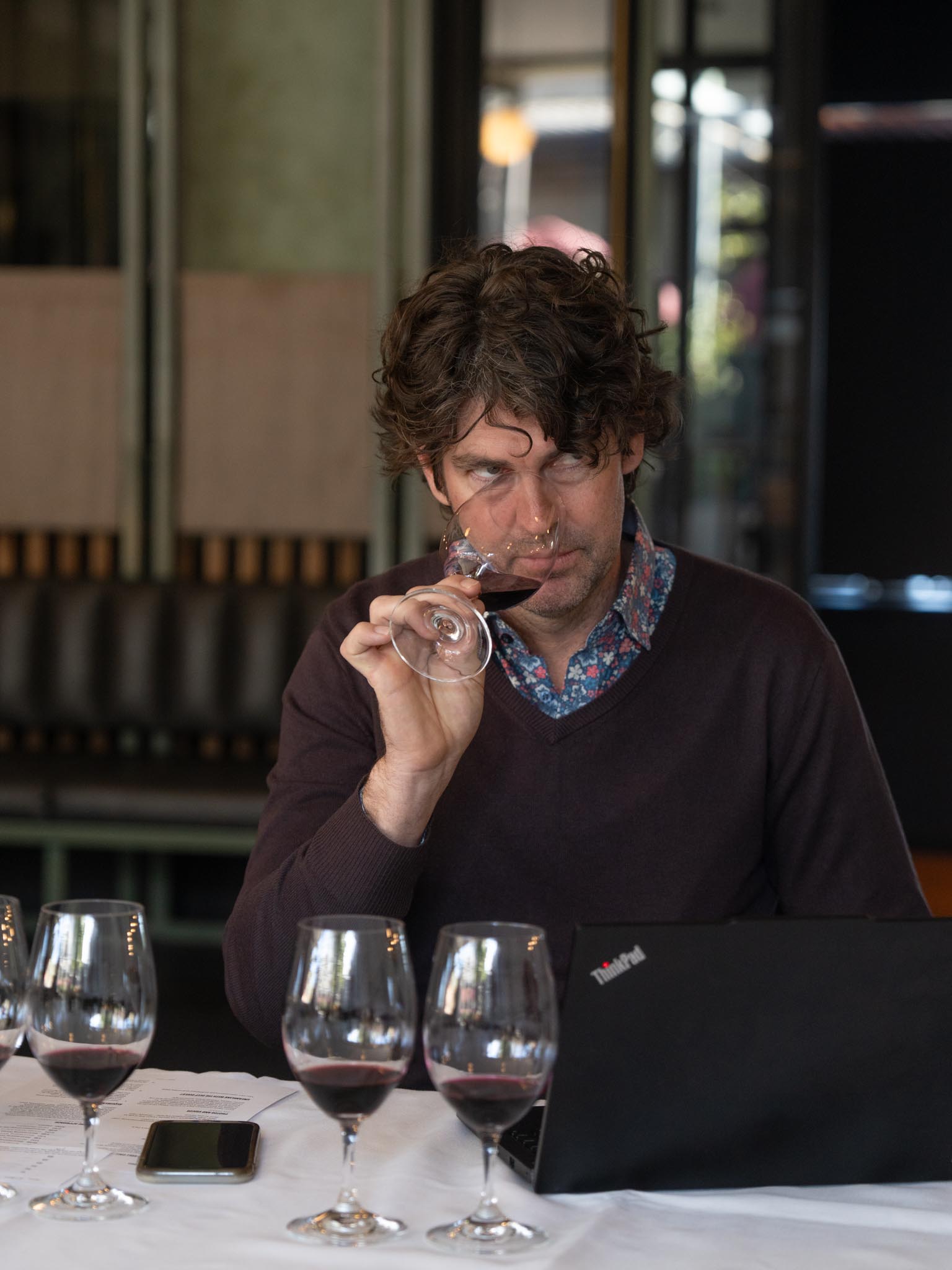
Above: Jarryd Menezes. Opposite: Luke Carlin.
Menezes emphasised the variety’s inherent malleability within the winery, starting with the question of oak use. “I don’t even mind if there’s some heavy oak on it, if there’s enough fruit to back it up,” he said. “There’s no reason why it can’t work. Obviously it’s important that everything is within the realms of balance, but heavily oaked touriga – why the heck not? As long as it doesn’t strip the lining from my teeth, it’s good.” Likewise, he added that the variety could gracefully wear the impact of a very different winemaking tool, carbonic maceration: “There was one carbonic-looking wine in particular that I really liked, just because it was just so approachable and fine-boned – bright and fresh. And ‘fresh’ is not something I associate with touriga very much. So I quite liked it. Is it something I’ll be ordering bottles and bottles of? Maybe not – but I also don’t typically order bottles and bottlesof any given wine.”
“Even in Portugal, there’s a hell of a lot of red table wine made from these same grapes. So touriga’s no longer a traditional Port variety – it’s a traditional Portuguese variety.”
This comment about buying wine turned the discussion to the mechanics of selling table wines made from touriga nacional. Crowley argued that selling these wines in a retail setting is a matter of finding the right audience and matching them to the right wine. “It’s about picking the customer – picking your adventurous customer from your everyday pinot gris customer,” she said. “There’s an opportunity in having the ‘same-same-but-different’ conversation. If people are already enjoying something with that sort of mineral middle-palate, and that kind of slightly chewy vibe, then there’s lots of parts of the touriga spectrum that they can pick. So it’s just about having the wines available for them. And it’s about finding good examples – ones that are varietal, but also ones that won’t freak people out by being über-herbaceous, or über-fennel-y, or just off the charts. Otherwise the customer will go, ‘I’ve tried that – it’s not really for me.’ We have to bring that customer back into the fold with something that’s a bit more everyday – which is where someone like Waldo [Smit, of Muto Wine] does so well.”
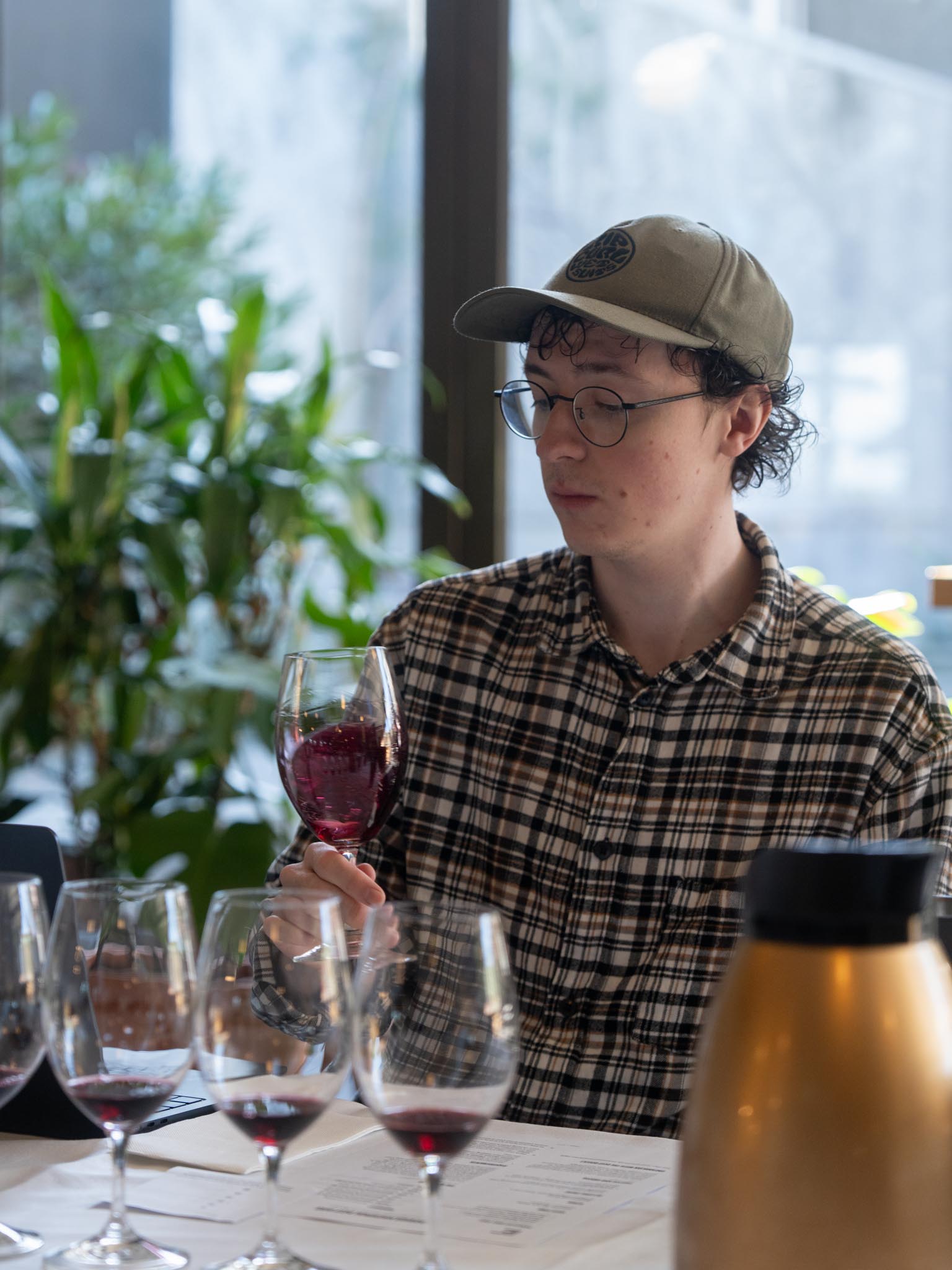
Above: Soma Déak. Opposite: Erena Crowley.
Déak emphasised that the variety’s generally accessible price point in an Australian context can do a lot of the heavy lifting of selling the wines in a restaurant setting, rather than abstract discussions about history or viticultural potential. “You pick and choose your battles with customers – usually after ten seconds of conversation,” he said. “Some people might be educated already, or would like to know more about this variety – and some people will just go, ‘Uh, can I have the wine, please, and can you shut up?’, which is also fine.” He added, “It’s nice that, at the moment – because it’s not a well-known variety – Australian tourigas can be a little bit cheaper than other wines. There are more affordable versions out there. Some tourigas from Portugal can be a little bit more pricey, of course. Are they better? Maybe some are. But I’ve yet to try them all – and there are plenty of very delicious examples grown right here.”
“It’s nice that, at the moment – because it’s not a well-known variety – Australian tourigas can be a little bit cheaper than other wines. There are more affordable versions out there.”
Menezes added that Australian touriga was an example of the types of wine that sommeliers could champion through the mechanism of the wine pairing in degustation-only restaurants. “The idea behind going to a restaurant and doing the wine pairing is that the guest does this when they don’t know what to do,” he said. “So at the end of the day, as long as you’re not giving them wine that tastes terrible with the food, they’re typically okay with something they don’t know. So outside of doing something like a high-end Burgundy or high-end Australian pinot and chardonnay wine flight, I’ve never poured a pinot or a chardonnay on a pairing – just because guests already know what pinot and chardy taste like.” (Spain agreed, adding, “Yeah, I’m putting weird shit on pairings at the moment.”) Menezes concluded, “Without trying to be too cocky about it, the idea is that I’m hopefully going to try and introduce you to your new favourite wine. That’s the whole point of the wine pairing. And I feel like more venues need to kind of keep going down that route, because that’s where you can introduce someone to touriga nacional. That’s when they go, ‘Hold up – this is twenty-five bucks a bottle retail right now. There’s that bottle of shiraz that’s forty-five bucks that I’ve been buying week-in, week-out. I’d rather drink the touriga’.”
Above and opposite: Our Deep Dive panel tasting in full swing at the Bleakhouse Hotel, Albert Park (Melbourne). All wines tasted ‘blind’.
The panel
Liam Heslop’s wine journey began at an early age on his family’s vineyard in Mudgee. As chief bucket-washer, there were always plenty of opportunities to help with jobs like picking, pruning, and bottling. After working his first real vintage in Mudgee during a gap year, he went on to study Oenology at the University of Adelaide. Graduating in 2005, Liam returned to his hometown where he gained as much experience as he could in different wineries. Between harvests in Mudgee, he travelled to renowned wine regions around the world, working two vintages in Sonoma County in California, a vintage in Piedmont in Italy and a vintage in the Pfalz region in Germany. In 2009 Liam started his own wine brand, Heslop’s Mr. Rascal, with zinfandel from his family’s vineyard. Finally, in 2017 he joined his family to help establish Heslop Wines. With a passion for producing small-batch premium wines, Liam’s primary goal is simply to make every wine the best it can be through the philosophy of allowing the grapes to express their own identity.
Bonnie Spain is a Melbourne-based sommelier with a particular expertise in Victorian and Iberian wine. After over ten years working as a waiter in hatted restaurants and various cellar doors in the Geelong region, she decided to hone her knowledge of wine and soon found herself at The Spanish Acquisition, working with Spanish and Iberian producers for over three years. Yearning to return to the restaurant floor, she spent time as a sommelier at Tonka before becoming a senior sommelier at the Iberian-focused Marmelo. She is currently the senior sommelier and wine buyer at two-hatted contemporary Australian restaurant Navi in Yarraville.
Jarryd Menezes is an Indian-born Kiwi sommelier who now proudly calls Australia home. With nearly twenty years of experience in the hospitality industry – fifteen of which were as a sommelier in fine dining – he has honed his craft in some of the world’s best restaurants. His journey includes esteemed establishments such as London’s The Ledbury, Copenhagen’s Restaurant Studio, and iconic Melbourne venues including Vue de Monde, Navi, and Amaru. In early 2023, Jarryd transitioned into the wholesale sector, seizing the opportunity to work with one of his favourite portfolios, Alimentaria. With a deep appreciation for the wines of the Iberian peninsula, both in terms of quality and incredible value, he is committed to enhancing their representation in the Australian market.
Erena Crowley’s career has evolved from curatorial and art gallery roles to freelance food and wine event management. She co-owns Barwon Heads Winestore, an independent wine shop and bar on the Bellarine Peninsula, with her husband, Richard. A love of wine has been a long thread through her professional life, having grown up working with her family on their local vineyard and wine label, Nurringa Park. She is a certified French Wine Scholar with the Wine Scholar Guild (WSG) and is currently studying the the Wine & Spirits Education Trust (WSET) Level 4 Diploma in Wines.
Soma (pronounced ‘Shoma’) Deák is originally Hungarian and has been lucky enough to have lived in a few places he now can call home: fourteen years in Hungary, five in England, and here in Australia since he was nineteen. He’s obsessed with food and drinks – he started cooking at fourteen, and can’t stop learning about it. Wine came along soon after – he’s worked everywhere from silver service and fine dining to cafés, bars, breweries, and wine bars, and wine always grabbed him the most. He’s yet to do any education with the Wine & Spirits Education Trust (WSET), but he reckons he could pass the Level 1 Award if he really tried. He is the co-owner, wine buyer, and front of house manager of Glovers, a wine bar in Yarraville.
After working in bars and restaurants in Scotland for seven years, Luke Carlin came to Australia where he started working at Yarraville’s Bar Romanée and two-hatted restaurant Navi as a senior bartender. While at Navi and Romanée he worked up through to the Wine & Spirit Education Trust (WSET) Level 3 Award in Wines, and he has since commenced study for the Level 4 Diploma in Wines. He has since left the bar and now works as junior Sommelier under Bonnie Spain at Navi, whose wine list was recently awarded three glasses at the Australian Wine List of the Year Awards.
GET FIRST ACCESS TO THE NEXT WINE ICONS – DELIVERED
In this second instalment of a seven-part series produced in collaboration with Vintage Cellars – 70 years of supporting wine in Australia – we look at Australian wine in the 1960s, at the influence of technology, the birth of iconic styles and the personalities that shaped that most pivotal decade.
What does a ‘skin-contact white wine’ mean in Australia in 2025? It’s certainly a much tougher question to answer now than it was when we first took a Deep Dive into the topic back in 2019. Following in the wake of a handful of trailblazing definers of the genre, a much more diverse array of winemakers – at all points on the spectrum from ‘natural’ to ‘conventional’ – are now macerating some or all of their white grapes on skins during fermentation. The resulting wines are as diverse as their makers: some so deeply coloured they could be mistaken for light reds, and others so light-on they could slip into the white by the glass section of your local bistro’s list. With such a huge palette of colour and flavour for makers to play with, we thought it was time to revisit the subject and do another Deep Dive.
Montepulciano is a real workhorse of a variety, capable of producing large quantities of deeply-coloured grapes with strong tannins and vibrant acidity even in warm and sunny conditions. That workhorse character has seen it widely planted across Italy, where it has become the country’s second most widely planted red grape variety, often used to add colour and structure to blended wines. That role as a blending agent has seen the variety dismissed within Italy itself, although single-varietal examples from Abruzzo have started to change that narrative. Australia’s own history with the variety is a relatively brief one, but it is already making an impression here, with consumers falling for the charms of ‘monte’ and winegrowers looking to it as a climate-apt variety capable of withstanding the demands of a warming world. With so much to love about this generous, hearty variety, we thought it was time to take a Deep Dive …
Subscribe to our newsletter
Young Gun of Wine is your shortcut to cutting edge wines, the places to go, and the people behind it all.
Subscribe to be amongst the first to know of our latest discoveries in wine.
We'll bring you the inside running from the growers, the makers, the wholesalers, the retailers and the sommeliers, too.