Rowly Milhinch Scion

Read more
  • Rowly Milhinch

    Some 20 years ago, Rowly Milhinch left a career in visual communication to set up a vineyard and a family life in Rutherglen. It’s territory that his family have lived in for generations, and he was intent on honouring the traditions of the region but recasting them through his own lens. Under his Scion label, he makes fortifieds, a staple of Rutherglen, but they are twists on the classics, including a ‘Muscat Nouveau’ and dry orange muscat, ‘Blonde’, as well as making dry red from syrah, grenache and durif, with the latter also getting the light red treatment, built to chill.
  • Nadja Wallington & Steve Mobbs

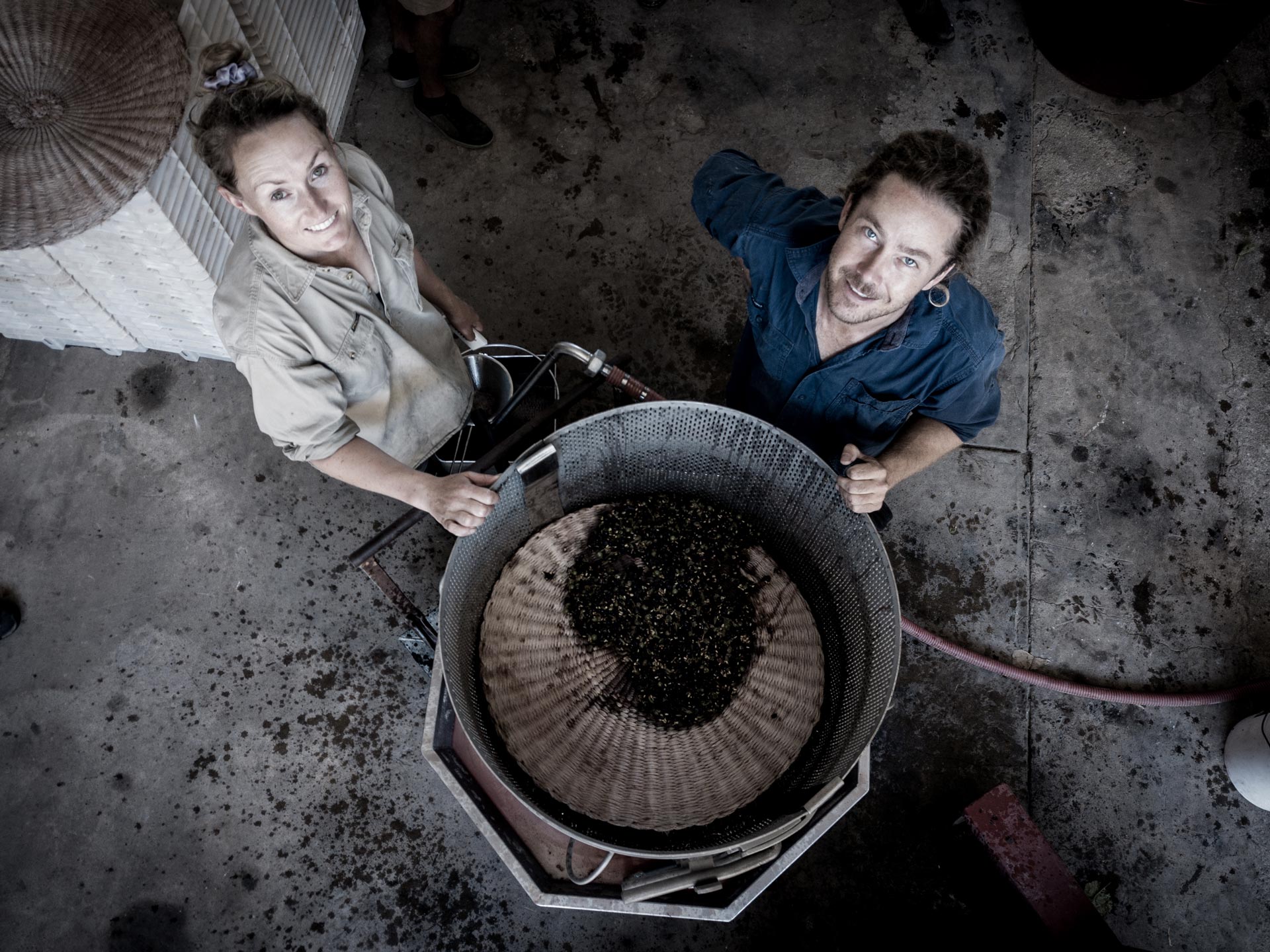
    Nadja Wallington and Steve Mobbs met while studying winemaking in 2008, but then they went their separate ways, touring the world making wine. Both landing in Orange somewhat later, the pair made wine for others, before launching their own brands, then finally settling on a vineyard in 2020 to start their own ground up venture. Specialising in chardonnay, riesling, pinot noir and shiraz, the pair are making classically styled wines that emphasise the cool refinement of the region.

  • McHenry Hohnen – Hazel’s Vineyard, Margaret River

    Hazel’s Vineyard is the home site for Margaret River’s McHenry Hohnen, with the fruit making wines all along their range, including classic regional expressions of chardonnay and cabernet, emerging grapes like tempranillo, a mineral Southern Rhîne blend and their flagship cabernets, Rolling Stone. Planted over 20 years ago, the site has been managed according to organic then biodynamic principles, with certification coming in 2020. Simon Keall manages the McHenry Hohnen vineyards with a sustainable ethos, which includes solar generation, no external water for irrigation and onsite composting.

  • Small Wonder Vineyard, Tamar Valley

    Small Wonder is a relatively new brand on a mature property in Tasmania’s Tamar Valley, specialising in pinot noir, chardonnay and aromatic whites. In 2020, the site – formerly Goaty Hill – was sold to the Overstory group by the founders after two decades on the property. Vineyard manager Wayne Nunn has since converted the site from 20 years of conventional management to ACO-certified organic viticulture, working with winemaker Andrew Trio to map and understand the micro-terroirs of a site with significant natural variation across its 19.74 hectares of varied aspects and soils. The first Small Wonder wines were released in 2022. Today the range spans from the Landscape series (riesling, sauvignon blanc, pinot gris, chardonnay, rosĂ© and pinot noir, $32–$40) to the Auburn tier (chardonnay and pinot noir, $52 each) through to Block 3 Pinot Noir ($56) and traditional-method sparkling wines – a Vintage Blanc de Blancs and Vintage Blanc de Noirs (both $52).

  • Keith Tulloch Wine – Field of Mars Vineyard, Hunter Valley

    Field of Mars is the Keith Tulloch Wine home vineyard. Planted mostly to 40- to 50-year-old vines on alluvial soils in Pokolbin, it rubs shoulders with some of the Hunter’s most revered semillon sites. Sustainability is a key driver of the estate, from the farming to re-establishing native scrub to using only recycled packaging for their wine. The site is run by Alisdair Tulloch, operations manager and sustainability manager for Keith Tulloch Wines, who guides the growing of fruit for premium single block varietal wines from chardonnay, shiraz, viognier and semillon in the Field of Mars range.

  • Topper’s Mountain Vineyard, New England

    Mark Kirkby’s Topper’s Mountain Vineyard was planted over two years to an eclectic mix of grape varieties in the elevated cool of New South Wales’ New England region. Over two and a half decades, the 10-hectare vineyard has seen varieties come and go – tested, grafted over, replaced – in a continuous search for the best vine-to-site match on a remote and singular piece of land. The viticultural approach is low impact: sheep graze amongst the vines through the cooler months, under-vine slashing replaces herbicide where possible, no pesticides have been used since the year of planting, and synthetic fertilisers were abandoned more than five years ago, replaced with composted cow manure from a local non-antibiotic feedlot. The estate wines consist of varietal bottlings and field blends, some whites with skin contact and some reds with extended macerations, all with minimal sulphur as the only addition.

  • Brokenwood – Graveyard Vineyard, Hunter Valley

    The Graveyard Vineyard is one of this country’s most significant. It’s mature enough, at a little over 50 years, though that’s not particularly old in this country’s oldest winegrowing region, the Hunter Valley. It’s significant for its history, with James Halliday prominent among the three solicitors that first planted it, with the first harvest ferried by Len Evans’ Bentley to the makeshift winery. And it’s significant for what followed, with the Brokenwood ‘Graveyard Vineyard’ Shiraz becoming one of the towering icons of Australian wine. Today, the vineyard has become solely focused on shiraz, with viticulturist Katrina Barry taking the baton of vineyard manager from her father, managing the site with sustainability as a core value.

  • Lake Moodemere Vineyard, Rutherglen

    Lake Moodemere Estate is planted to red soils on an ancient riverbed of the Murray in Victoria’s historic Rutherglen region. The site has been in the Chambers family for five generations, with the first vines planted in the 1800s – though they did not see the next century due to phylloxera. A long history of focusing on sustainability has been enhanced as the years go by, with a symbiotic relationship with their mixed farming and vineyard operations of mutual benefit. The property abuts the Moodemere Reserve, with dense bushland providing a rich habitat for beneficial insects and native wildlife, which in league with their sustainable practices (including cover crops that were first implemented in the 1970s) eliminated insecticide use 40 years ago. The fruit goes to making estate wines – sparkling, table and fortified – which are made onsite and served in their lakeside restaurant, which is supplied by their farm, using everything from wheat to lamb, vegetables, fruit and honey. Joel Chambers is the vineyard manager.

Lake Moodemere Vineyard, Rutherglen

The Next Wine Icons – Delivered

Each month, get 3 bottles of fresh discoveries.
We taste thousands to bring you the best.

Bookmark this job

Please sign in or create account as candidate to bookmark this job

Save this search

Please sign in or create account to save this search

create resume

Create Resume

Please sign in or create account as candidate to create a resume