-
Producer
Ravensworth -
Region
Tumbarumba
-
RRP
$36
-
Vintage
2024
-
Variety/Varieties
-
Alc./Vol.
13%
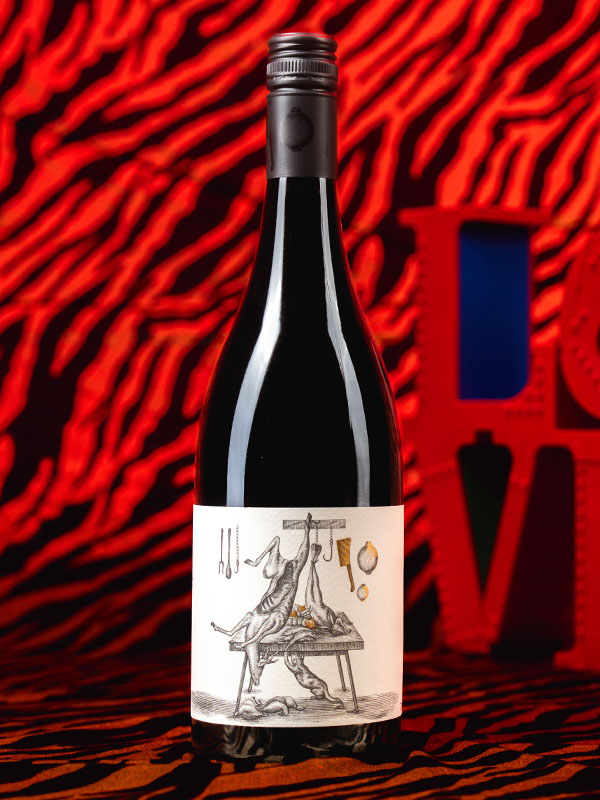
Juicy dark plums and pretty florals, with a savoury, earthy edge. Serious red that doesn’t weigh you down.
Bryan Martin is one of the most creative winemakers in the country. A chef and food writer by background, he spent 15 years as Tim Kirk’s right-hand man at Clonakilla before going all-in on his own Ravensworth in Murrumbateman, in the Canberra District. He’s a self-described tinkerer, always playing with new varieties and new ways of making wine, and his cellar shows it: amphorae, ceramic eggs, foudres and, more recently, glass globes, all there to bring out the character of the wine inside. He’s also experimented with flor, the yeast veil more commonly associated with sherry and the Jura. Looking at a lineup of Ravensworth wines makes you feel like a kid in a candy store. With an intense focus on soil health, his own vineyard has been a multiple-time finalist in our Vineyard of the Year Awards. When smoke from the 2020 bushfires wiped out his estate vintage, he didn’t sit still. He sourced fruit from Margaret River and Tasmania for a new range called The Long Way Around, and turned some of his smoke-tainted grapes into wild ales.
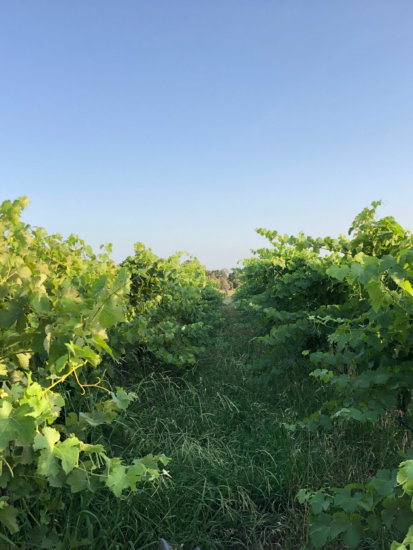
Gamay is the grape of Beaujolais in France, and it’s a fast-growing story here, with the number of Australian producers roughly doubling since 2019. This 2024 made the top wines in our latest Gamay Deep Dive. It’s not Ravensworth’s first time either: the 2023 was a top pick in the Deep Dive before. This one comes from the Johansen Vineyard, high in the western foothills of the Snowy Mountains in Tumbarumba, a cool region of southern New South Wales, where the altitude helps keep gamay bright and lively.
The fruit was hand-picked in late March 2024. Roughly 15 to 20 percent of it went into the fermenters as whole bunches, stems and all, with the rest as whole berries, in concrete. It was fermented with wild yeast, gently plunged by hand and left on its skins for another ten days after the ferment had finished, then spent 11 months maturing in two concrete pyramids before bottling in April 2025.
Tasting note
A fruity nose with some extra floral lift: juicy red cherries, tangy red plums and tart mulberries fresh from the tree, and cherry blossom, with umeboshi (Japanese plum wine) and a little savoury hint of tannic black tea and tea-tree bush garrigue underneath. The palate is fresh and mouth-wateringly juicy, with bright acidity but plenty of fruit density and more than a little carbonic bounce. Gossamer tannins lead to a pleasantly tangy finish.
When to drink
This is the bottle for the end of a dinner party, when the plates are cleared and you want the conversation to keep flowing. You could pop it in the fridge for a little while first, because it’s lovely with a slight chill. It’s a wine that makes a table feel generous.
It doesn’t need food, and we don’t get precious about pairing. But if that’s your thing, duck breasts are a natural fit, especially if you’re making a cherry gastrique to go with them.
Themes of this wine
Gamay
Gamay is the red grape of Beaujolais in France, where it makes light, juicy, floral wines that are meant to be drunk fresh and slightly cool. It’s thin-skinned and naturally low in tannin, which gives it that gulpable, fruit-first character, and it’s often made with some whole bunches for extra lift. In Australia it’s a young and fast-growing category, with the first vines thought to have been planted in the mid-1970s, and with producers now spread from Tasmania to Adelaide Hills.
Tumbarumba
Tumbarumba is a cool, high-altitude wine region in southern New South Wales, in the western foothills of the Snowy Mountains. It’s best known for chardonnay and pinot noir, and the cool conditions and altitude are what give its wines their fresh acidity and delicacy. That makes it a natural home for a light, lifted red like gamay.
Whole-bunch fermentation
When winemakers add whole bunches to a ferment, stems included, they’re adding more than grapes. The stems bring a little spice, a touch of savoury, herbal character and sometimes extra tannin, and the technique tends to make a red feel fresher and more aromatic. It suits a grape like gamay, which already leans towards the bright and fruity.
Explore Further

GET FIRST ACCESS TO THE NEXT WINE ICONS – DELIVERED
Find out moreEach month, get 3 bottles of our freshest discoveries. We taste thousands to bring you the best.
Join us and support emerging winemakers, sustainable vineyards, and the development of young professionals.
— Max Allen, Wine Writer
— Broadsheet
— The Australian