2025 Grosset ‘Springvale’ Riesling Clare Valley

Read more
2025 Grosset ‘Springvale’ Riesling
Grown biodynamically above a seam of blue slate no one knew was there until the vines went in, Springvale is the site that was recently named Australia’s Vineyard of the Year — and Jeffrey Grosset turns it into one of the country’s most quietly electric Rieslings.
  • Producer

    Grosset

  • Region

    Clare Valley

  • RRP

    $58

  • Vintage

    2025

  • Variety/Varieties

    Riesling

  • Alc./Vol.

    12.3%

Think beeswax with lime zest, green apple and a squeeze of tonic water, with a silky, mouth-watering finish that has you reaching for the next sip before you’ve swallowed the last. Dry, fresh, and dangerously drinkable.

Springvale sits within Grosset’s larger Watervale vineyard in the Clare Valley, a 5.3-hectare pocket planted in 2001 at 450–470 metres — among the highest sites in the district. What makes it extraordinary wasn’t visible on any map when the vines went in: red-brown clay over limestone, and three metres down, an unexpected seam of blue slate. Viticulturist Matthew O’Rourke, who has worked the site since 2011, explains that the slate acts as a natural barrier, limiting root penetration and concentrating what the vines can draw up — while the limestone beneath buffers pH and lends the wine its mineral spine.

The vineyard has been certified organic since 2014 and biodynamic since 2019, farmed as a living ecosystem rather than a production line. Densely planted and deliberately low-yielding, it produces small volumes of intensely concentrated fruit. Grosset and O’Rourke both point to something they’ve only recently begun to see: a silky phenolic texture in the wine that wasn’t there twenty years ago, one they attribute to the vineyard’s deepening biodynamic rhythm. The result sells out every year it’s released — and in 2026, Springvale was named Young Gun of Wine’s Vineyard of the Year.

Tasting note

There’s a whiff of struck match on first pour, the kind of reductive spark that tells you something serious is going on underneath — before it gives way to gardenias, lime zest, fuzzy white peach and beeswax. Gala apple, lightly dusted with cinnamon, hovers in the background. On the palate it’s citrus through and through: lime pith and lemon balm sliding into yellow apple and pear, all wrapped in a chalky, silky texture that frames rather than fights the fruit. It’s dry, it’s precise, and it carries real concentration — a product of the warm, early season pushing ripeness while the site’s natural tension keeps everything honest.

Riesling’s calling card is acidity, and Springvale has it in spades — but resist the urge to drink this too cold, too fast. Let it sit and warm a little in the glass; the acid softens, the texture opens up, and the wine reveals more of itself with every ten minutes. However you approach it, it’s a mouth-watering, faintly hypnotic drink that rewards a bit of patience.

When to drink

This is the sort of wine you can bust out as an aperitif with salty snacks at a dinner party where you’re trying to impress. Or take it along to a sprawling spring lunch with mates over picnic blankets and shared plates — those prawn-stuffed rice paper rolls you brought will vanish within minutes of opening this. But it doesn’t need any of that to justify itself either. Pour it on a hot afternoon when you’ve got nowhere to be, or crack it open solo after a long day, chilled right down and sipped slowly while it warms in the glass and shows you something new each time. Think of it less as a pairing exercise and more as a mood: bright, cleansing, a little bit contemplative.

Themes of this wine

Riesling

Riesling is one of the world’s most versatile grapes, capable of making styles from aridly dry to lusciously sweet, plus everything in between, and with a transparency that reflects where it was grown like few – if any – other grapes. Hailing from Germany, it’s equally embedded in France and Austria, while the style made famous in the Clare Valley that once defined Australian versions has now been joined by a multitude of expressions, and from right across the country.

Clare Valley

A couple of hours north of Adelaide, the Clare Valley is home to some of Australia’s most famous riesling vineyards, with the grape accounting for almost 40 per cent of the plantings, with shiraz a close second, though cabernet sauvignon is also made to good acclaim. The soils vary across the five subregions, from terra rossa over limestone, to grey loams over slate, to fertile alluvial soils in the north. With a continental climate, the warm conditions benefit from the cool nights, retaining acidity in the grapes while the ample sunlight pushes the fruit to ripeness during the day.

Biodynamic farming

Biodynamics takes organic viticulture a step further, treating the vineyard as a single, self-sustaining organism rather than a collection of separate inputs to manage. Developed from the early twentieth-century teachings of Rudolf Steiner, it works with composts, herbal preparations and the lunar and cosmic calendar in place of synthetic sprays and fertilisers. In Australia it remains a minority pursuit, practised by only a small handful of producers, but a growing one – embraced by growers chasing greater

Explore Further

2025 Grosset ‘Springvale’ Riesling

GET FIRST ACCESS TO THE NEXT WINE ICONS – DELIVERED

Find out more

Each month, get 3 bottles of our freshest discoveries. We taste thousands to bring you the best.

Join us and support emerging winemakers, sustainable vineyards, and the development of young professionals.

Find out more
“One of the highlights of my drinking year.”
— Max Allen, Wine Writer
“The future of wine in Australia.”
— Broadsheet
“The cutting edge of Australian wine.”
— The Australian
2022 Koerner ‘Le Korse’ Red Wine
A midweight, digestibly bright and savoury Mediterranean-style red, this shows the Koerner artistry of making subtly nuanced blending components then merging them seamlessly.
  • Producer

    Koerner

  • Region

    Clare Valley

  • RRP

    $38

  • Vintage

    2022

  • Variety/Varieties

    Carignan Grenache Malbec Sangiovese Sciacarello

  • Alc./Vol.

    12.7%

Korse means Corsica, and this is a tribute to the wines of the island, or rather the Koerner’s take on them, employing two of the island’s key varieties: sangiovese (there called nieuluccio, though not all believe they are identical) and sciacarello.

Tasting note

This is beautifully midweight, savoury expression, with a taut play of tart red and dark cherries, subtle florals and subtle dark spice, with a subtle touch of star anise and brown cardamom, lavender and violets. Aged in steel, and with no whole bunch, but some whole berries, the purity of expression and the smart picking dates stand out here, with a briskness and vigour paired with engaging flavour, totally skipping the common sweet spot of many reds of the region, and surrounds.

Themes of this wine

Sangiovese

Sangiovese is Italy’s most important grape, by both volume and reputation, and it has travelled the world, establishing serious outposts across the New World. In Australia, sangiovese didn’t really start making inroads until the late 1980s, but with improved genetic material, it is now making quite an impression. The key flavour component mentioned when people talk about sangiovese is cherry, generally red, but sometimes black, with that primary profile generally accented with savoury notes of dried berries, hardy herbs, dried earth, leather and cedary notes.

Grenache

The great grape of the Southern Rhône, grenache, has also found many homes around the world, from Spain, to Italy, to California, while Australia is home to the world’s oldest productive grenache vines, planted in 1948. Today, a renaissance is seeing the grape championed, with makers in McLaren Vale arguably turning out the most compelling examples.

Sciacarello

Sciacarello is a Corsican red variety that is closely related to the Tuscan variety mammolo, if not identical to, with both characterised by freshness and floral aromatics (mammolo means violet).

Carignan

Hailing from Spain, carignan may yet find a more significant home in Australia, with retaining acidity very well and thriving in hot and dry conditions – a combination that we don’t lack for. Carignan can be a decidedly rugged grape, with dark fruit and spices often allied with gruff and very assertive tannins. The wines can also have wild herbal almost animal notes, but carignan is mostly used in blends, so this adds complexity to the best wines.

Malbec

Malbec is a French grape that has become much more synonymous with Argentina, where it dominates the country’s vineyards. In Australia, malbec is typically blended as a minor component, but with better vine material and new thinking, malbec’s personality is emerging from the shadows. With a generally dark fruit profile of plums, dark cherries and blackberries, malbec can range from the deeply fruited and ruggedly tannic to more supple and silky expressions.

Clare Valley

A couple of hours north of Adelaide, the Clare Valley is home to some of Australia’s most famous riesling vineyards, with the grape accounting for almost 40 per cent of the plantings, with shiraz a close second, though cabernet sauvignon is also made to good acclaim. The soils vary across the five subregions, from terra rossa over limestone, to grey loams over slate, to fertile alluvial soils in the north. With a continental climate, the warm conditions benefit from the cool nights, retaining acidity in the grapes while the ample sunlight pushes the fruit to ripeness during the day.

2022 Koerner ‘Le Korse’ Red Wine

GET FIRST ACCESS TO THE NEXT WINE ICONS – DELIVERED

Find out more

Each month, get 3 bottles of our freshest discoveries. We taste thousands to bring you the best.

Join us and support emerging winemakers, sustainable vineyards, and the development of young professionals.

Find out more
“One of the highlights of my drinking year.”
— Max Allen, Wine Writer
“The future of wine in Australia.”
— Broadsheet
“The cutting edge of Australian wine.”
— The Australian
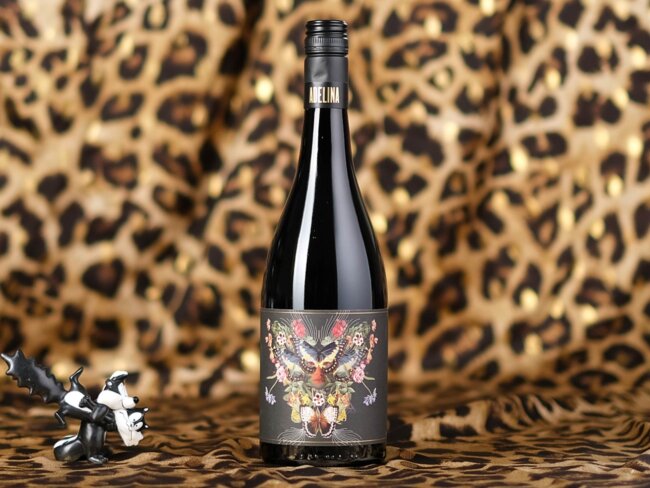
2022 Adelina Shiraz Mataro
From the 2009 Young Gun of Wine Award winner, and the 2022 Vineyard of the Year Award winner, this is Col McBryde’s take on a classic blend, featuring vivid red fruits, dusty earthiness and dried laurel.
  • Producer

    Adelina

  • Region

    Clare Valley

  • RRP

    $40

  • Vintage

    2022

  • Variety/Varieties

    Mourvèdre Shiraz (Syrah)

  • Alc./Vol.

    14.3%

The Adelina Vineyard – awarded the 2022 Vineyard of the Year – abuts the venerable Wendouree, and Col McBryde is a devotee of the wines, but he’s no mimic, bringing his own sensibilities to this classic blend made famous by Wendouree, with an ever increasing clarity of both fruit purity and site-reflectiveness in the wines. And this is no exception.

Tasting note

This comes both off the Adelina Vineyard and a famous neighbouring site (not Wendouree), with young mataro and very old shiraz vines, respectively. Zesty but ripe red fruit notes and sour black cherries are accented with a puff of regional dried mint and laurel leaf, bedded in a rugged kicked earth minerality. There’s weight here, but poise, too, a seamless blend of the pair.

Themes of this wine

Syrah/Shiraz

Shiraz dominates the Australian wine industry, accounting for nearly a third of this country’s vines. The grape’s traditional home is in France’s Northern Rhône, with wines that combine elegance and power, while Australia is perhaps best known for the muscular styles from warmer areas. Today, drinkers of Australian shiraz are spoilt for choice with expressions ranging from the elegant and spicy to the monumental.

Mourvèdre/mataro

Mourvèdre has been in this country as long as any variety, but it has often been sunk into blends, playing a vital role but rarely grabbing the mic. And while that remains the destination for most of this darkly fruited and tannic grape, it can play a pivotal role in those wines, and gets the occasional outing solo in both red and rosé wines. As with many grapes typically used for blending, mourvèdre has a distinct personality. It is a variety that is often strong in tannic structure, quite dark fruited and spicy, often with an almost animal and wild herb aroma. This will naturally depend a little on site and winemaking, with the grape commonly made into rosé that shows none of that wildness, instead typically displaying red berry notes, though the wines are often still blends.

Clare Valley

A couple of hours north of Adelaide, the Clare Valley is home to some of Australia’s most famous riesling vineyards, with the grape accounting for almost 40 per cent of the plantings, with shiraz a close second, though cabernet sauvignon is also made to good acclaim. The soils vary across the five subregions, from terra rossa over limestone, to grey loams over slate, to fertile alluvial soils in the north. With a continental climate, the warm conditions benefit from the cool nights, retaining acidity in the grapes while the ample sunlight pushes the fruit to ripeness during the day.

2022 Adelina Shiraz Mataro

GET FIRST ACCESS TO THE NEXT WINE ICONS – DELIVERED

Find out more

Each month, get 3 bottles of our freshest discoveries. We taste thousands to bring you the best.

Join us and support emerging winemakers, sustainable vineyards, and the development of young professionals.

Find out more
“One of the highlights of my drinking year.”
— Max Allen, Wine Writer
“The future of wine in Australia.”
— Broadsheet
“The cutting edge of Australian wine.”
— The Australian
Andrew Kenny launched his Kenny Wine label in 2021, focusing on Clare riesling and Adelaide Hills pinot. With the purchase of a vineyard in the Clare subregion of Auburn, the 2021 vintage saw a home-site shiraz join the portfolio, while an old vine grenache and a sangiovese were added in 2022. 2023 saw the introduction of a collaboration from the Pfalz region of Germany – a ‘Kenny X Gabel’ Riesling, with more riesling and a pinot noir to be released under this label. Kenny’s wines are classic in style, expressions of variety and sites he believes excel for specific grapes, and it is in the Clare Valley that the range of wines offers a particular exploration of sub-regionality.
  • Producer

  • Region

    Clare Valley

  • RRP

    $

  • Vintage

  • Variety/Varieties

  • Alc./Vol.

    %

Andrew Kenny launched his Kenny Wine label in 2021, focusing on Clare riesling and Adelaide Hills pinot. With the purchase of a vineyard in the Clare subregion of Auburn, the 2021 vintage saw a home-site shiraz join the portfolio, while an old vine grenache and a sangiovese were added in 2022. 2023 saw the introduction of a collaboration from the Pfalz region of Germany – a ‘Kenny X Gabel’ Riesling, with more riesling and a pinot noir to be released under this label. Kenny’s wines are classic in style, expressions of variety and sites he believes excel for specific grapes, and it is in the Clare Valley that the range of wines offers a particular exploration of sub-regionality.

“Our ethos is single vineyard wines, attention to detail in the vineyard, trying to showcase site diversity, subregional characteristics and clonal selection,” says Kenny. “We want to celebrate vintage variation, not cloud it with fancy winemaking – honest wines that we are proud to drink and share.”

“We want to showcase single vineyard wines across multiple regions, celebrating vintage variation, different soil types and clonal selections.”

Kenny’s day job is at Pikes and Pike & Joyce, where he is the senior winemaker. The Pikes facility is also where he makes his own wines under his eponymous label, which he launched in 2021 with an Adelaide Hills pinot noir from Lenswood and a Polish Hill River riesling, both from 2020, along with a Clare shiraz he made in 2016.

“I’ve been making wine since 2014,” says Kenny. “And I’ve always wanted to have a passion project. The admin and logistics of starting a proper label has always seemed too hard, but I guess the catalyst was my partner, Victoria, coming in and taking charge of all the hard stuff so I could focus on the wine. She has a lot of drive in her and although she’s not in the wine industry, her admin and accountant’s brain has been a very big part of Kenny Wine getting off the ground.”

The pair were also searching for their own vineyard, which they stumbled upon in the Clare subregion of Auburn in 2020. It’s a site that was planted by Kilikanoon in 2001 to shiraz. “The vineyard had been struggling with low crops, poor maintenance and disease,” says Kenny, noting that their principal goals have been increasing biodiversity and organic matter in the soil.

At Kennny’s own farm, half the shiraz vines have been grafted over to sangiovese. “I’ve always wanted to have a passion project,” says Kenny. “The admin and logistics of starting a proper label has always seemed too hard, but I guess the catalyst was my partner, Victoria, coming in and taking charge of all the hard stuff so I could focus on the wine.”

“We threw away all herbicides, insecticides, systemic fungicides and inorganic fertilizers,” he says. “Moving to under-vine cultivation, cover cropping and compost use has seen a remarkable increase in soil structure and microbial activity – the worms are back and thriving. We’ve seen an increase in soil microorganisms and beneficial ‘weeds’ since taking over – less dry earth and better water inception, and the vines are healthier and producing a more-even fruit set.”

Kenny says that though in its infancy, he is working with growers to transition their practices along similar lines, while his goal is to make their home site as close as possible to self-sustaining. “We want to turn our small farm into a living ecosystem that sustains itself and us, so we can be lazy and not have to go to the shops,” he jokes. Half the shiraz has also now been grafted over to sangiovese, with two clones employed, one being the Brunello clone. 2023 was the first crop off of the vineyard. “We are stoked with the fruit quality thus far,” he says, noting that he made a sangiovese in 2022 with grower fruit.

2023 saw a makeover of their Auburn vineyard, close planting 600 vines on around a third of the site to pinot blanc. “It’s the Clare Valley’s first pinot blanc as gar as we are aware,” says Kenny. “Three years is a long wait for our first crop, but good things take time and we are excited to see what it produces.” Andrew has worked with pinot blanc in Germany since 2015 and believes “Clare Valley’s diurnal climate of cool nights and warm days will suit the variety and produce wines with lively acid profiles, meaning we can build complexity and texture around that core of acid.”

Kenny is originally from the Adelaide Hills, with a trip through Europe fresh from school preceding a viticulture and oenology degree at Adelaide university. Graduating in 2014, he worked in the Hills and the Clare Valley, while also working vintage in Germany in 2015 and ’17. Both stints were at Weingut Gabel in the Pfalz. Kenny was also the Dux of the AWRI’s Advanced Wine Assessment Course in 2021.

While at Weingut Gabel, Kenny formed a strong relationship with Oliver Gabel, who he counts as a mentor, along with Neil Pike. “I made a skin contact sauv blanc in Germany in 2015 with the idea of bringing it home and showing it off to Australia,” Kenny says. “It was one of the worst wines I’ve tasted, and I learnt that keeping wines on skins for too long in the presence of alcohol is not for me.”

That has not stopped Kenny’s interest in bringing wines back from the Pfalz, with a 2021 Kenny X Gabel’ ‘Honigsack’ Riesling released in 2023. “This is an exciting project we’ve been working on for the last 18 months with our very good friend Oliver Gabel… It will be a premium wine for the Kenny brand and an ongoing partnership with the Gabels.” There is further riesling and a pinot noir to be released from this project coming from the 2023 vintage.

The German influence is also on show for Kenny Wine, with a kabinett-style riesling called ‘Kabi’ carrying 35 grams per litre of residual sugar. “A fresh, easy-drinking wine rather than an obvious sweet wine was always going to be a challenge, but I think has been a huge success,” he says.

The 2022 vintage also spawned a new wine, a grenache from the Clare subregion of Sevenhill. “This Particular fruit comes from a 1961 planted vineyard, which we are lucky to be able to work closely with the grower to assist in converting the vineyard management to our style and producing single site wine that will become a core staple of the KW portfolio.”

While the Kenny Wine label started as a fun side project, it has now become something that the pair want to expand. Owning their own vineyard naturally makes this more of an imperative, but the vision extends beyond that. “In the next few years, we plan to work with more growers, choosing sites we want to work with and growers we think align with our values. We’re currently looking to expand our riesling brand, specialising in this area. Along with our two Polish Hill River rieslings and a German riesling, we have a Watervale riesling to be released in 2024.”

Becoming growers themselves, Andrew and Victoria Kenny have first hand experience of Mother Nature’s hand in the business. Significant frost in November of 2023 wiped out the entire crop from their own vineyard as well as one of their growers. “One of the silver linings in this was the push to work with a new grower who we have been itching to sign on for some time now,” says Kenny. “We were incredibly excited to sign a long-term contract with Castine-Morella vineyard who are YGOW Vineyard of the Year finalists, and gurus in their field. Their focus on land ecology and fruit quality sits perfectly with our desire to produce quality wine starting in the vineyard.”

No matter how much the brand grows, the ethos will remain the same. “We want to showcase single vineyard wines across multiple regions, celebrating vintage variation, different soil types and clonal selections,” says Kenny. “This brand came about as a creative outlet to play around with varieties that we believe in, trial new processes and work with grapes in a minimalist way, and we have a vision to work with more growers and select single vineyard site we believe are special for specific varieties, while keeping a quality focused ethos.”

Andrew Kenny

GET FIRST ACCESS TO THE NEXT WINE ICONS – DELIVERED

Find out more

Each month, get 3 bottles of our freshest discoveries. We taste thousands to bring you the best.

Join us and support emerging winemakers, sustainable vineyards, and the development of young professionals.

Find out more
“One of the highlights of my drinking year.”
— Max Allen, Wine Writer
“The future of wine in Australia.”
— Broadsheet
“The cutting edge of Australian wine.”
— The Australian
The Bink label is part homage to Koen Janssens’ heritage, with the prominent ‘B’ an echo of the bumper stickers of the late 20th century, denoting Belgium, but it’s also a flag for the type of wine you’re about to drink. Designed by Janssens, the hand-drawn labels steer the drinker down a path suggesting minimal intervention and unconventional styles. Janssens focus is on varieties that excite him, from established stars like riesling and grenache to those less familiar, like alicante bouschet and zinfandel, coaxing out vibrant and fun expressions that speak of place.
  • Producer

  • Region

    Barossa Valley Clare Valley

  • RRP

    $

  • Vintage

  • Variety/Varieties

  • Alc./Vol.

    %

The Bink label is part homage to Koen Janssens’ heritage, with the prominent ‘B’ an echo of the bumper stickers of the late 20th century, denoting Belgium, but it’s also a flag for the type of wine you’re about to drink. Designed by Janssens, the hand-drawn labels steer the drinker down a path suggesting minimal intervention and unconventional styles. Janssens focus is on varieties that excite him, from established stars like riesling and grenache to those less familiar, like alicante bouschet and zinfandel, coaxing out vibrant and fun expressions that speak of place.

“I really realised my signature in Bink wines,” says Janssens. “Wines that are overflowing with varietal characters, respect towards their origins in soil, orientation and variety but are super smooth on the nose and the palate. And I think I found my spot in terms of production. I have realised that I love working with petit verdot, zinfandel, carignan and malbec. I’m currently searching for more blocks of these, and maybe one day, I’ll even have my own vineyard.”

Koen Janssens opted into wine at an early age, studying hospitality at high school – or rather at a dedicated hospitality high school – with a view to becoming a sommelier. Once of age, he worked in Michelin-starred restaurants in his native Belgium, as well as in France and The Netherlands, for around a decade.

“I try to guide the wine to its own path, to capture a non-serious style of the variety. I’m a pretty happy chap that likes a joke once in a while. I’m def not going to make hyper-serious wines – it just doesn’t work with my character. I really enjoy the no-bullshit approach in my wines. Keep it simple and work with the fruit.”

Moving to Australia in 2012, Janssens landed in Adelaide, where he bumped glasses with the Natural Selection Theory gang of Anton van Klopper, Sam Hughes, James Erskine and Tom Shobbrook, who were in full flight at the time. A vintage with Erskine for Jauma followed in ’13, then with Van Klopper for Lucy Margaux in ’14, followed by four consecutive seasons in the winery with Pete Schell at Spinifex, where he still now works among the vines, pruning in winter.

“Both of them have had a massive impact on my wines,” says Janssens of Schell and Erskine. “James has the spiritual and human side, and Peter the technical, no-bullshit side. I still work with James and Peter. I planted vines at James’ new farm, and it was epic to see, listen and feel the way he wants to connect to his land.”

In 2015, Janssens started his first own venture with Dave Geyer (Geyer Wine Co.), the leftfield Yetti and the Kokonut – making rosé and white wines – with his solo project starting in 2017. “Peter Shell told me: ‘Every vintage you don’t make your own wines is a vintage you’ll never get back.’ So, I started Bink wines. I try to make wines that are easy going and fluid but with respect towards cépage and terroir.”

Janssens says that while his focus is on hard manual work in the vineyard and minimal intervention winemaking, his wines are as much shaped by his personality. “I try to guide the wine to its own path,” he says, “to capture a non-serious style of the variety. I’m a pretty happy chap that likes a joke once in a while. I’m def not going to make hyper-serious wines – it just doesn’t work with my character. I really enjoy the no-bullshit approach in my wines. Keep it simple and work with the fruit.”

Making wine in a rented space at the Heidenreich Vineyards, Janssens works with fruit he both sources and manages himself, from the Barossa and Clare Valleys and McLaren Vale. Alicante bouschet, riesling and cabernet franc come off his own leased blocks, while zinfandel, chardonnay, grenache and chenin blanc are all sourced.

“I’ve pruned the blocks and changed the spraying regimes to biodynamic spraying or mechanical weeding,” says Janssens of his vines. “With the pruning, I just took more wood off and encouraged more fruit set on logical sap flow to give the vine more directed energy, rather than having it all over the place. It resulted in better and more balanced fruit set with functional and open canopies. The conversion from hardcore sprays to sprays that work with nature was logical, and sometimes we could change to mechanical weeding.”

This approach, which leans away from chemicals and leans into more natural husbandry, is something that Janssens also works with his growers on. “I try to convert growers to organic/biodynamic growing because I don’t want my son to grow up in a ‘spray-for-your-life world’. I feel that the fruit just ferments better. I encouraged one grower to step away from sprays and Roundup, using mechanical farming instead, like discing and knifing. The block is on the valley floor and gets hot in summer. The soil has really seen a surge in green that keeps the moisture for longer and gives the vines more ‘sky water’ than stock-standard irrigation.”

Bink wines has become Janssens’ canvas for working with varieties that he loves, but he’s always on the lookout for unusual grapes, with the Bink offering never static, even blending cabernet franc and chenin blanc. “Finding the varieties that I want has been an interesting road,” he says. “I just keep networking and spreading the word for old and weird varieties, and hope some grower doesn’t pull out his 90-year-old dry-grown pedro ximénez and calls me instead.”

In terms of winemaking, Janssens follows a minimal intervention approach, with no additions bar sulphur at bottling and a minimal dose at the crusher to ensure a healthy ferment. And while he’s at pains that his wines are far from serious – and always accessibly priced – his deep experience of the great wines of the world informs everything he does.

“It’s so wanky to say but I absolutely love the ‘clear aspect’ in some French wines, that minerality aspect. Like almost watching fish swim in the Mediterranean ocean, just clear water. I’m really going for that and so far, I’ve realised that cooler ferments and fine lees are one step closer to that ideal.”

Koen Janssens

GET FIRST ACCESS TO THE NEXT WINE ICONS – DELIVERED

Find out more

Each month, get 3 bottles of our freshest discoveries. We taste thousands to bring you the best.

Join us and support emerging winemakers, sustainable vineyards, and the development of young professionals.

Find out more
“One of the highlights of my drinking year.”
— Max Allen, Wine Writer
“The future of wine in Australia.”
— Broadsheet
“The cutting edge of Australian wine.”
— The Australian
2020 Koerner ‘Rolle’ Gullyview Vineyard Vermentino
Subtle orchard fruits and dryly savoury. Light on its feet, with a fine, lightly textural and grippy feel.
  • Producer

    Koerner

  • Region

    Clare Valley

  • RRP

    $45

  • Vintage

    2020

  • Variety/Varieties

  • Alc./Vol.

    11.6%

The Koerner brothers have made somewhat of a name for themselves with vermentino, making two styles, one fermented on skins, and the other with a little pre-ferment skin contact, then pressed to 600-litre barrels to ferment and age on lees. This is the Koerners’ oak-aged version, an early-picked lithe wine with subtle orchard fruits and a dryly savoury and gently textural pitch on the palate.

Tasting note

There’s a flintiness to this, and a saline mineral feel that wafts amongst the aromas of stone fruit kernel, waxy fruit box notes, lemon blossom and glossy red apple skin, with a savouriness from oak very quietly pulling the fruit into line. This is flavourful, but light on its feet, with a fine, lightly textural and grippy feel. There’s no obvious sweetness of fruit here, but no lack of flavour or hardness either, with perfect savoury pitch and harmony, finishing with a little lemon barley water pucker that adds interest to the finish.

Themes of this wine

Vermentino

While vermentino is grown in Corsica, and in Southern France under the synonym rolle, it is in Italy that the variety reaches its peak. With a primary home in Sardinia and on the Ligurian coast, it is also minimally grown in Piedmont, where it is called favorita. The wines can be poised and citric with green apple notes, or fuller with stone fruit, grapefruit and lifted florals, with either end of the spectrum often having a lightly saline character.

Clare Valley

A couple of hours north of Adelaide, the Clare Valley is home to some of Australia’s most famous riesling vineyards, with the grape accounting for almost 40 per cent of the plantings, with shiraz a close second, though cabernet sauvignon is also made to good acclaim. The soils vary across the five subregions, from terra rossa over limestone, to grey loams over slate, to fertile alluvial soils in the north. With a continental climate, the warm conditions benefit from the cool nights, retaining acidity in the grapes while the ample sunlight pushes the fruit to ripeness during the day.

2020 Koerner ‘Rolle’ Gullyview Vineyard Vermentino

GET FIRST ACCESS TO THE NEXT WINE ICONS – DELIVERED

Find out more

Each month, get 3 bottles of our freshest discoveries. We taste thousands to bring you the best.

Join us and support emerging winemakers, sustainable vineyards, and the development of young professionals.

Find out more
“One of the highlights of my drinking year.”
— Max Allen, Wine Writer
“The future of wine in Australia.”
— Broadsheet
“The cutting edge of Australian wine.”
— The Australian
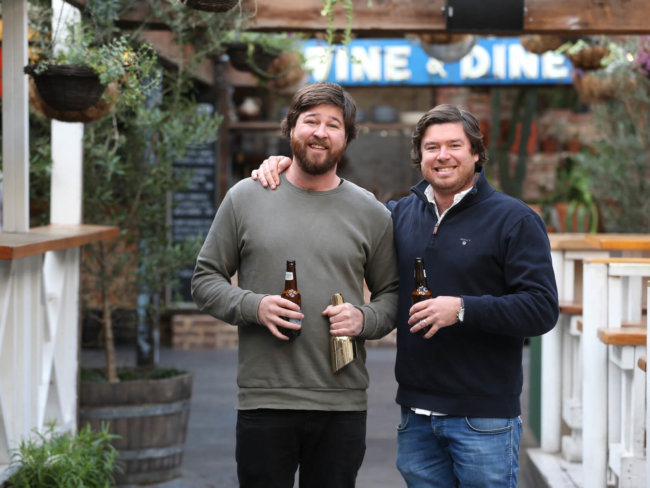
Damon and Jono Koerner are the second generation to run the family’s Clare Valley vineyard. And they have taken it from an exclusively contract operation to the primary fruit source of one of the most exciting young labels on the market: Koerner Wine. That fruit resource stretches back before Jono and Damon’s parents took possession...
  • Producer

  • Region

    Clare Valley

  • RRP

    $

  • Vintage

  • Variety/Varieties

  • Alc./Vol.

    %

Damon and Jono Koerner are the second generation to run the family’s Clare Valley vineyard. And they have taken it from an exclusively contract operation to the primary fruit source of one of the most exciting young labels on the market: Koerner Wine. That fruit resource stretches back before Jono and Damon’s parents took possession some 40 years ago, with Riesling not long in the ground then, and Grenache already significantly mature. The brothers reserve these parcels for their wines, with more youthful plantings of vermentino also making the grade. The offer is bolstered by the neighbouring Vivian Vineyard, including the Corsican/Tuscan variety sciacarello, as well as sangiovese. Koerner Wine’s focus is on fruit quality, with early picking and transparent winemaking the driving forces – approachability, texture and drinkability are key to their style. The Koerners were named the 2019 Young Gun of Wine.

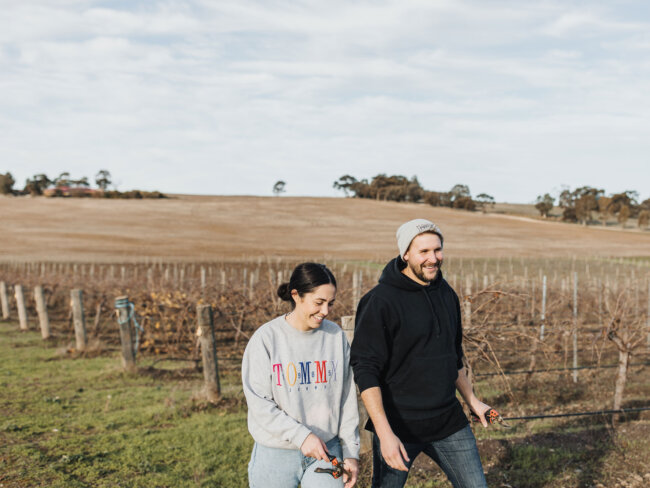
The brothers Koerner certainly had a bit of an advantage over some of their contemporaries when they founded their ‘Koerner Wine’ label, with an enviable resource of fruit at their fingertips thanks to their parents, Christine and Anthony. The Koerners have farmed their substantial Gullyview Vineyard in Watervale, Clare Valley, for nearly 40 years. Today, Damon and his brother Jonathan tend to the vineyard, with Damon making the first wines under their eponymous label in 2014.

The Gullyview vineyard is planted to terra rossa soils – red cay over limestone – with Riesling the principal variety. The oldest plantings are of Grenache, though most of the site was planted in the 1980s, with some also in the 1970s. Vermentino arrived a little later again, and the brothers source some of the rare mammolo (or sciacarello, if you prefer) from the neighbouring Vivian Vineyard, in Leasingham. Only 5% of the home-vineyard fruit is used by Koerner, from the 90-year-old grenache and 45-year-old riesling vines.

“Jono and I have always said our aim is to produce good honest wines that are true to the vineyard, varietals and us as the producer,” Damon says. “I love textures in white wine – sometimes textures can mask other components of the wine so I’m exploring how to fine tune these, so they complement the wine, through working with different vessels, time on lees, when to add sulphur etc. etc.”

That follows for the reds, with the fruit picked early to retain vibrant fruit freshness and crunchy structures. The making is as hands-off as possible, but using ceramic eggs, concrete tanks and oval foudres, alongside more typical neutral oak barrels, with an emphasis placed on building texture and early interest in the wines. The only addition that is made to the wines is as little sulphur as is necessary.

Synonyms are somewhat the order of the day under the Koerner Wine labels, with vermentino referred to as such, and also by the Ligurian variant pigato and the French tag, rolle. Sciacarello and mammolo, Corsican and Tuscan synonyms, as with nielluccio and sangiovese (though the link between these two is disputed), get a run on the same label, and grenache takes on a Sardinian accent as cannonau. This could all read as a bit of smoke and mirrors, but not in the hands of Koerner Wine, with the suggestions all just playing out as subtle indicators that these are wines of thoughtful difference, built with food and accessibility in mind.

In 2019, the Young Gun of Wine was awarded to the Koerners. The winemaking duo were lauded for the ‘La Corse’, a red blend that includes sciacarello, which YGOW founder Rory Kent summed up as, “A light, bright, easy-drinking red, with layers of interest in the glass…”

They’ve become an emerging force and beacon for future creativity in the Clare Valley, a region perhaps somewhat isolated and traditional. What they’re doing, and how they’re doing it, make them a poster child for new wine labels today.

Damon & Jono Koerner

GET FIRST ACCESS TO THE NEXT WINE ICONS – DELIVERED

Find out more

Each month, get 3 bottles of our freshest discoveries. We taste thousands to bring you the best.

Join us and support emerging winemakers, sustainable vineyards, and the development of young professionals.

Find out more
“One of the highlights of my drinking year.”
— Max Allen, Wine Writer
“The future of wine in Australia.”
— Broadsheet
“The cutting edge of Australian wine.”
— The Australian
Perpetually afforded the tag of Australia’s nicest and most affable winemaker, John Hughes also has a very serious side, with a slavish obsession to his favourite grape, riesling. Hughes’ Rieslingfreak imprint has been steadily redefining that noble grape, bending it into all manner of shapes, and making perfect sense at the same time. His wines...
  • Producer

  • Region

    Clare Valley

  • RRP

    $

  • Vintage

  • Variety/Varieties

  • Alc./Vol.

    %

Perpetually afforded the tag of Australia’s nicest and most affable winemaker, John Hughes also has a very serious side, with a slavish obsession to his favourite grape, riesling. Hughes’ Rieslingfreak imprint has been steadily redefining that noble grape, bending it into all manner of shapes, and making perfect sense at the same time. His wines are all bell-clear reflections of variety, whether dry, off-dry, intensely sweet, sparkling or fortified. Hughes was the Young Gun of Wine Winemaker’s Choice winner for 2017.

John Hughes acquired the Rieslingfreak moniker long before he had his own wine label, with the nickname earnt through his unconcealable obsession with that noble white grape. Growing up on a family vineyard in Penwortham in the Clare Valley, his parents moved operations to their own property in the White Hut subregion in 1998. That vineyard has remained the core of the Hughes family business, with it informing many of the dizzying catalogue of Rieslingfreak expressions.

That early life among the riesling vines and healthy exposure to the best regional expressions, as well as those from around the world, led to an inevitable career in wine, though the blossoming of his full obsession would have to wait. A degree in Wine Marketing at the Univesity of Adelaide saw the birth of the Rieslingfreak epithet, a fitting tag for someone who lives and breathes the stuff.

A decade at the Australian Wine Research Institute (AWRI) got in the way of Hughes spinning out his own riesling-themed tunes, but the benchmarking and guest vintage shifts never slackened. By the time he dropped his first Rielsingfreak track in 2009, there was no ambivalence about Hughes’ path. (Although a deep-seated passion for cooking did take him to be a contestant on MasterChef in 2011, where he refused to present a dish he wasn’t happy with – a signpost of his rigorous standards, for sure.)

Hughes is obsessed with riesling, that much is clear. But he is also keen not to box it into a well-worn category of limey, dry raciness. He makes wines in this mould, for sure, but he has become one of this country’s most adept judges of balancing sugar and acid in wine, from barely perceptible off-dry levels to lusciously rich Germanic echoes, and all afforded a number as a label reference: No.2, No.3 etc. He also makes a sparkling riesling, or Sekt (as the Germans call it), a fortified version, releases wines with age, and has launched a glass-ceiling smashing premium Riesling, which was fermented wild and matured in a bespoke 1,500 litre oak cask, which naturally fills the long empty No.1 spot in the catalogue.

John Hughes

GET FIRST ACCESS TO THE NEXT WINE ICONS – DELIVERED

Find out more

Each month, get 3 bottles of our freshest discoveries. We taste thousands to bring you the best.

Join us and support emerging winemakers, sustainable vineyards, and the development of young professionals.

Find out more
“One of the highlights of my drinking year.”
— Max Allen, Wine Writer
“The future of wine in Australia.”
— Broadsheet
“The cutting edge of Australian wine.”
— The Australian
2025 Grosset ‘Springvale’ Riesling

The Next Wine Icons – Delivered

Each month, get 3 bottles of fresh discoveries.
We taste thousands to bring you the best.

Bookmark this job

Please sign in or create account as candidate to bookmark this job

Save this search

Please sign in or create account to save this search

create resume

Create Resume

Please sign in or create account as candidate to create a resume