&noscript=1"/>

Lirica – Hutton Vineyard, Margaret River Lee Haselgrove

Read more
  • Lirica – Hutton Vineyard, Margaret River

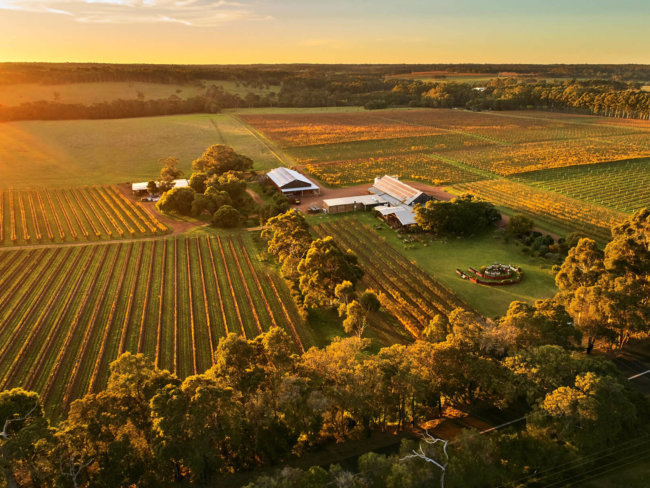
    At just 0.85 hectares, Lirica – Hutton Vineyard is one of the smallest vineyards in this country to produce its own wine. Planted in 1976 in the Wilyabrup subregion of Margaret River – the heartland of Australian cabernet sauvignon – it carries 49-year-old vines on their own roots, dry-farmed, in gravel loam over clay, on a mid-slope east-facing site that captures morning light and sidesteps the heat of the afternoon. Since 2017, the vineyard has been leased and managed by Lee Haselgrove, one of Australia’s most respected viticulturists, who helped Swinney Vineyards claim the inaugural YGOW Vineyard of the Year in 2020. Here, working on a scale where every vine is a decision, Haselgrove is building toward a single wine – Lirica – that he believes can make a meaningful contribution to the conversation around fine cabernet sauvignon.

  • Kaloorup Cottage Vineyard

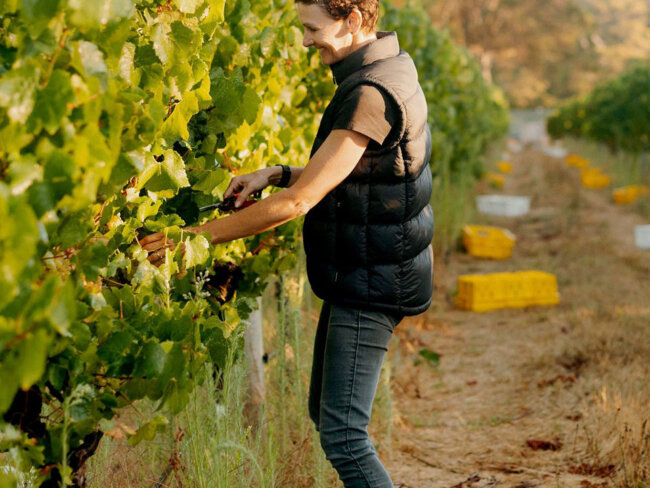
    The story of Kaloorup Cottage might initially seem like a quaint sea-change narrative built for television: a young couple purchase an old cottage and attendant run-down vineyard in one of Margaret River’s hamlets, then have a crack at restoring both to their former glory. But a closer inspection of Kaloorup Cottage’s viticulture will tell you that the real story here is a remarkable case study in regenerative agriculture, information transparency, and the tireless efforts of viticulturist Georgina Harrison to build a truly sustainable agricultural system on her patch of land. Starting with a base of just over two hectares of own-rooted cabernet sauvignon, Harrison has removed unproductive rows, grafted over half of the remaining area to chardonnay, nebbiolo and tempranillo, and focused intently on restoring soil health and natural balance in the vineyard ecosystem – a strong opening gambit that is already paying dividends.

  • Cape Mentelle – Chapman Brook Vineyard, Margaret River

    Chapman Brook Vineyard is Cape Mentelle’s white wine engine room – a 49.54-hectare property in the southern half of the Margaret River appellation, around 16 kilometres inland from the Indian Ocean, producing the fruit behind a range of wines – chardonnay, sauvignon blanc, semillon and shiraz – spanning from the Cape Mentelle Sauvignon Blanc Semillon ($30) through to the Heritage Chardonnay ($105). First planted in 1993 and managed within the Cape Mentelle portfolio ever since, the site sits on an undulating landscape of sandy loam soils with pockets of ironstone, through which the Chapman Brook – its namesake – runs. Surrounded by native bushland and farmland, the vineyard benefits from a diurnal temperature range of 13 to 20 degrees through summer, that cool overnight reprieve preserving acidity and allowing fruit to reach full phenological ripeness without sacrificing freshness. At its helm is Annabel Angland, a viticulturist combining rigorous data-driven site management with a clear commitment to expressing what Chapman Brook, specifically, is capable of producing.

  • Yarrabee Vineyard, Frankland River

    Nestled in Frankland River at 250 meters elevation, Yarrabee spans 72 hectares under the care of Tim Penniment of Alkoomi. Planted on gravelly loams in 1997, with recent additions in 2019 and 2023, all on own roots, the site’s large diurnal swings, and dry, rain-shadowed climate shape chardonnay, riesling, semillon, sauvignon blanc, pinot gris, cabernet sauvignon, cabernet franc, shiraz, merlot, and grenache. Penniment’s approach prioritizes soil health, with winery-waste compost, cover crops, and sheep grazing boosting organic carbon and cutting water needs. Wines from here include Three Elms’ Mt Frankland Shiraz, Byron & Harold’s ‘The Partners’ trio, and a suite of releases from Alkoomi and Lange Estate. Yarrabee stands out in Australia’s wine scene for transforming a former commercial site into a premium fruit source via meticulous soil revival and community ties.

  • Windows Estate, Margaret River

    Tucked into the cool coastal pocket of Yallingup on the northern edge of Margaret River, Windows Estate is a certified-organic standout shaped by Chris Davies, who planted his first vines at age 19. Spanning nine hectares out of a 47-hectare farm, this vineyard – planted in tranches from 1996 to 2014 – thrives on three distinct soil types: karri loam, fractured laterite, and granite-clay blends. Chris treats the farm as one living ecosystem, with no irrigation, minimal inputs, and a hands-on ethos –manual whipper-snipping and Guyot–Poussard pruning keep it personal. Over 50% of the land remains a conservation zone, buzzing with biodiversity, while the rest yields a tight lineup: both sparkling and still chenin blanc, chardonnay, semillon, syrah, and ‘Violette’ (a Bordeaux blend), with varietal petit verdot and malbec in select years. Each block is vinified separately, letting the site’s terroir shine through in every bottle. Proximity to the wild rhythm of the ocean and a towering ridgeline create a microclimate that tempers the heat, coaxing out vibrant acidity and layered flavors that speak directly of this unique patch of earth.

  • Marri Wood Park Vineyard, Margaret River

    Nestled in Yallingup at the northern tip of Margaret River, Marri Wood Park Vineyard consists of 6.5 hectares of 30-year-old vines – a rugged standout in a region famous for its manicured wines. Certified biodynamic since 2008 (Demeter), vineyard management here is less about cosmic rituals and more about vigneron Julian Wright letting nature run the show – forgoing irrigation, fertilizers, and cover crops to mimic the wild bush that dominates the rest of his 40-hectare farm. Chenin, cabernet sauvignon, sauvignon blanc, and semillon grow here, fed only by rain, leaf litter, and animal droppings rather than any inputs from the conventional growers’ playbook. In a region of over 200 wineries where fewer than 10 hold certified biodynamic status, Marri Wood Park stands as a rare throwback to an unplugged style of farming.

  • Higher Plane Vineyard, Margaret River

    Tucked at the southern end of Margaret River in Karridale, Higher Plane Vineyard sprawls across 15.9 hectares of gravelly loam. Its vines – planted between 1997 and 2018 – average 18 years of age, and are tended to by head growers Ianto Ward and Dan Stocker. Chardonnay, sauvignon blanc, fiano, tempranillo, shiraz and more thrive here, with the fruit going on to make Higher Plane Shiraz and the single-site Juniper Cornerstone Karridale Chardonnay – a standout wine in a region of 215 wineries known for their bold cabernets and plush chardonnays. While the northern Margaret River basks in the sun, this cooler southern pocket requires grit to farm regeneratively, with the wines shaped by the influence of two oceans meeting and a hands-on push for balance.

  • Alkoomi Vineyard, Frankland River

    Set high in the Frankland River subregion of WA’s Great Southern, Alkoomi has been a quietly influential presence since 1971. Spread across 102 hectares and now stewarded by viticulturist Tim Penniment, the vineyard is one of the region’s largest and most diverse, supplying fruit to a host of makers while anchoring a legacy label in its own right. Its old vines, expansive varietal palette and proactive approach to soil health and sustainability have helped define the modern face of Frankland River – one built on freshness, balance and regional fidelity.

Bookmark this job

Please sign in or create account as candidate to bookmark this job

Save this search

Please sign in or create account to save this search

create resume

Create Resume

Please sign in or create account as candidate to create a resume